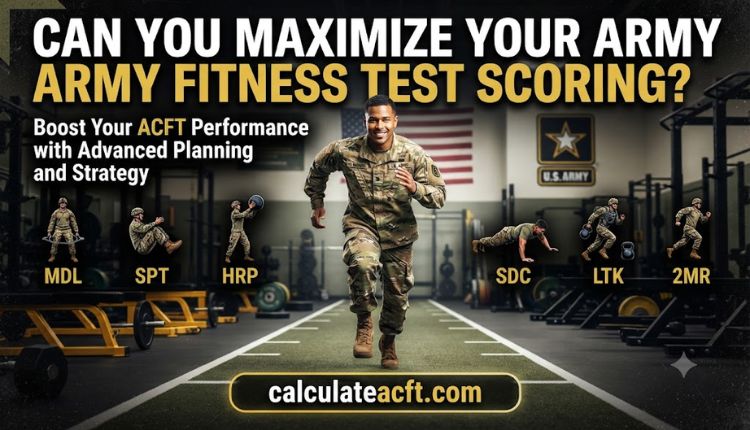
Can You Maximize Your Army Fitness Test Scoring?
Scoring Army Aptitude Tests is more than just a number on a score sheet. It represents the physical ability, discipline, and readiness of a soldier for demanding military duties. Modern military operations require personnel who can work under pressure, carry heavy equipment, move efficiently in difficult terrain, and maintain resilience during extended missions. To ensure these standards are met, the military uses a structured fitness assessment with a detailed scoring system.
Understanding how scoring works allows candidates to train strategically rather than relying on guesswork. Each exercise in the assessment contributes to the final result, so balanced preparation is essential. A high score can boost self-confidence, promote career advancement, and demonstrate a commitment to military excellence. This article provides a comprehensive overview of Army Fitness Test scoring, including scoring methods, event breakdowns, preparation techniques, common mistakes, and practical strategies that can help candidates perform better and maximize their overall performance.
Understanding Army Fitness Test Scoring
Army fitness test scoring is designed to evaluate various aspects of physical fitness rather than focusing on a single athletic ability. Modern military fitness assessments measure strength, endurance, power, agility, and cardiovascular fitness to create a complete picture of a soldier’s physical condition.
Each action within the assessment is assigned a point value based on performance. Soldiers earn points according to established standards that vary by event. Cumulative scores determine whether an individual meets the minimum requirements and how competitive their performance is compared to peers.
The scoring system supports the balanced development of fitness. Excelling in one area cannot completely compensate for failure in another event. As a result, candidates must prepare for all parts of the test, rather than specializing in just one physical skill.
Several factors influence the results of the assessment:
- Action performance
- Correct exercise technique
- Physical condition
- Consistency of training
- Regeneration and nutrition
Military organizations are constantly refining competency standards to meet operational requirements. Modern scoring systems are designed to reflect actual military tasks and responsibilities. This approach ensures that Soldiers have the physical capabilities necessary for combat readiness and mission success.
Understanding the scoring structure of the Army Fitness Test provides a solid foundation for effective preparation. Candidates who understand the assessment mechanisms can identify opportunities to gain additional points and develop targeted improvement strategies.
Why Army Fitness Test Scoring Matters

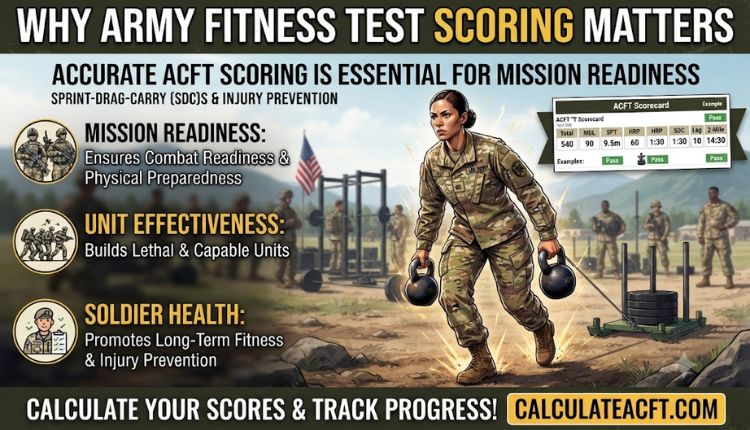
Army fitness test scoring serve purposes beyond basic physical assessment. Scores affect career opportunities, readiness ratings, and perceptions of leadership during military service.
A good score demonstrates commitment to personal fitness and professional development. Commanders often view high-performing individuals as disciplined and reliable. While prowess is only one component of military success, it contributes significantly to the overall rating.
A higher score can provide benefits in several areas:
- Promotion Considerations
- Leadership options
- Specialized educational programs
- Competitive military tasks
- Professional recognition
Proficiency test results also help military leaders assess unit readiness. A physically prepared force is better able to handle operational demands and unexpected challenges. Therefore, individual performance contributes to broader organizational effectiveness.
In addition to career benefits, strong fitness also boosts self-confidence. Soldiers who consistently perform well on assessments often experience increased confidence during training and operational activities.
In addition, Army Fitness Test Ratings support injury prevention. Individuals who maintain adequate strength, endurance, and mobility are generally better equipped to handle demanding physical tasks without excessive strain.
The importance of scoring goes beyond the testing environment. Physical fitness directly affects mission performance, resilience, and long-term health. Understanding this broader meaning can motivate candidates to approach preparation with more seriousness and commitment.
Key Events That Influence Army Fitness Test Scoring
Army fitness test scoring is based on performance on multiple events, each designed to measure a specific aspect of physical fitness. Understanding these events helps candidates allocate training time effectively.
Most modern assessments include exercises that assess muscular strength, explosive power, agility, and aerobic endurance. Each event contributes a certain number of points to the total score.
Common components of a fitness assessment include:
- Strength-based exercises
- Strength and explosive movement tests
- Sprint and agility training
- Basic endurance activities
- Cardiovascular endurance events
Power events assess the ability to generate force under load. These exercises often simulate military tasks such as lifting equipment or moving supplies.
Strength-based activities assess explosive ability. Soldiers often need quick bursts of movement during operational situations, so strength development is important.
Agility and sprints measure speed, coordination and efficiency of movement. These abilities are valuable in tactical maneuvers and navigating through obstacles.
Core exercises assess stability and muscular endurance. Strong core muscles support lifting, carrying and overall physical performance.
Endurance activities assess cardiovascular fitness. Long-distance movement remains a critical component of military readiness, making aerobic capacity an essential measurement.
Since each action contributes to the Army Aptitude Test score, candidates should avoid neglecting weaker areas. A balanced preparation usually gives the best overall results.
How Scores Are Calculated
Understanding how scores are calculated helps candidates identify opportunities for improvement; to know more click here. Army fitness test scoring aptitude test scores are based on standardized performance measures established by military authorities.
Each event has specific performance levels associated with point values. Better performance generally leads to higher scores, while failure to meet minimum standards may result in event failure regardless of total points earned elsewhere.
The scoring process usually involves several steps:
- Completion of each required event
- Performance measurement record
- Comparison of results with official standards
- Awarding points based on performance
- Cumulative score calculation
Performance measurements vary by event. Some activities measure repetitions completed, while others assess time, distance, or weight moved.
Many soldiers focus on improving events where small gains produce significant point increases. Strategic training can maximize scoring efficiency and improve overall results.
Tracking progress regularly helps candidates estimate future scores and identify weaknesses. Practice assessments can reveal performance gaps before official testing.
By understanding calculation methods, individuals can create more focused training plans and avoid surprises during official evaluations.
Training Strategies for Better Fitness Test Scoring
Improving your Army fitness test scoring requires structured preparation. Random workouts can improve overall fitness, but focused training provides better evaluation results.
Successful preparation begins with identifying strengths and weaknesses. Candidates should conduct a practice assessment to determine which events require further attention.
Effective training strategies include:
- Following a structured training plan
- Prioritizing weak events
- A combination of strength and endurance training
- Track performance metrics
- Allows for adequate recovery
Strength training should focus on movements that support the assessment exercise. Functional exercises often provide greater benefits than isolated muscle exercises.
Cardiovascular preparation remains just as important. Regular jogging, interval training and endurance exercise improve aerobic performance and recovery capacity.
Mobility training should not be overlooked. Flexible, mobile athletes often move more efficiently and reduce the risk of injury.
Another fundamental principle is progressive overload. Gradually increasing training demands support adaptation and continuous improvement.
Regeneration plays a vital role in performance development. Without adequate rest, improvement may stall and the risk of injury may increase.
Candidates who consistently follow structured training programs typically experience continuous improvements in Army Fitness Test scores and overall physical fitness.
Common Mistakes That Reduce Scores
Many candidates train hard but still end up with disappointing results due to avoidable mistakes. Recognizing these mistakes can help maximize your Army fitness test scoring.
A common mistake is to focus exclusively on popular events. While improving strengths is beneficial, neglecting weaknesses often limits the overall score.
Other common mistakes include:
- Ignoring proper technique
- Retraining before test day
- Inconsistent exercise routines
- Bad eating habits
- Insufficient sleep
Technical errors can significantly affect performance. Even physically strong candidates can lose valuable points if they don’t execute the moves correctly.
Another widespread problem is overtraining. Excessive exercise without sufficient recovery often leads to fatigue, reduced performance and injury.
Nutrition directly affects energy levels and the quality of regeneration. Candidates who consume balanced meals generally perform better during training and assessment.
Sleep remains one of the most underrated factors in fitness performance. Insufficient rest can reduce strength, endurance, concentration and reaction time.
Another mistake is the failure to simulate test conditions. Practice tests help candidates familiarize themselves with the sequence of events and the physical demands.
Avoiding these common mistakes can improve results without dramatically changing your overall training volume.
Nutrition and Recovery for Higher Scores
Nutrition and recovery are often overlooked components of preparing to Army fitness test scoring. Even the best training program can produce limited results without proper support.
The body needs a sufficient amount of nutrients to repair muscles, replenish energy reserves, and adapt to physical stress. Consistent eating habits significantly contribute to improved performance.
Important nutritional priorities include:
- Consuming enough protein
- Stay properly hydrated
- Eat balanced carbohydrates
- Including healthy fats
- Keeping consistent meal timings
Protein supports regeneration and muscle growth. Carbohydrates army fitness test scoring provide energy for intense training and endurance activities.
Hydration is especially important because dehydration can impair physical and cognitive performance. Maintaining fluid intake before, during and after training supports optimal function.
Recovery strategies are equally important. These can include stretching, movement work, active recovery sessions and getting enough sleep.
Sleep deserves special attention because many regenerative processes take place during rest. Individuals who consistently achieve quality sleep often experience better adaptation to training and better results.
Stress management can also affect fitness outcomes. Excessive mental stress can negatively affect regeneration, motivation, and physical performance.
Combined with effective training, proper nutrition, and recovery, they form a solid foundation for maximizing Army Fitness Test scores.
Long-Term Success With Fitness Test Scoring
Getting a high score once is valuable, but maintaining high performance over time is even more important. Long-term success requires consistency rather than short-term effort.
Many candidates prepare intensively before the assessment and then reduce the training. This approach often leads to fluctuating performance and recurring fitness issues.
Sustained success involves developing habits such as:
- Regular exercise routines
- Continuous performance monitoring
- Balanced nutrition
- Consistent recovery procedures
- Targeted training plans
Setting realistic goals helps keep you motivated throughout the year. Gradual improvements often lead to better long-term results than trying to make dramatic changes in the short term.
Regular assessments allow individuals to monitor progress and identify emerging weaknesses. Adjusting training plans based on performance data helps maintain constant improvement.
Long-term Army fitness test scoring development also supports military readiness beyond testing requirements. Soldiers who maintain strong physical condition are generally better prepared for operational demands.
Consistency remains the most important factor in sustained success. Small daily activities often have greater benefits than occasional bouts of extreme exertion.
By focusing on long-term development, candidates can maintain strong Army Fitness Test scores while improving overall health, resilience and professional readiness.
Conclusion
Army Fitness Test Scoring is a comprehensive measure of physical readiness that assesses strength, endurance, power, agility and overall fitness. Understanding how scores are calculated allows candidates to train more effectively and focus on the areas that provide the greatest opportunity for improvement. A good score can boost career advancement, boost self-esteem, and demonstrate military readiness.
Through structured training, proper nutrition, effective recovery and consistent effort, individuals can significantly improve their performance. Success is not only achieved through short-term preparation, but through an ongoing commitment to physical fitness and continuous improvement. By applying the strategies outlined in this guide, candidates can maximize their Army Fitness Test scores and build the physical foundation necessary for long-term military success.
FAQs
Can I pass if I excel in one event but perform poorly in another?
Most Army fitness assessments require minimum performance standards in every event. Excelling in one area usually cannot compensate for failing another.
How often should I practice the full fitness test?
Many candidates benefit from performing a complete practice assessment every few weeks to monitor progress and identify weaknesses.
Does nutrition affect army fitness test scoring?
Yes. Proper nutrition supports energy production, recovery, muscle development, and overall physical performance.
What is the best way to improve a low score?
Identify weak events, create a targeted training plan, practice proper technique, and maintain consistent recovery habits.
How important is sleep before a fitness test?
Sleep is extremely important because it affects strength, endurance, focus, reaction time, and recovery.
Can beginners achieve high scores?
Yes. With structured training, proper preparation, and consistent effort, beginners can steadily improve and achieve competitive fitness test scores.