Can You Pass the ACFT Minimum Score?
The minimum ACFT score is one of the most debated topics among Army personnel and candidates preparing for the fitness assessment. Physical fitness plays a major role in military performance, as soldiers need strength, endurance, and the ability to handle challenging situations. The Army Combat Fitness Test was introduced to provide a modern assessment of physical abilities that are associated with real military tasks.
Unlike older fitness tests that focused mainly on basic endurance, the ACFT measures multiple areas of fitness. Tests muscular strength, explosive power, speed, agility and cardiovascular endurance. Because of this, preparation requires more than just jogging or traditional exercise.
Many people search for ACFT minimum score information because they want to understand the requirements to pass the test and avoid failing the test. Knowing the scoring system allows candidates to create better training plans and target weaknesses.
This article explains all about the ACFT minimum score requirements, events, preparation methods, and frequently asked questions to help readers better understand the test.
Why Does the ACFT Minimum Score Matter?
The minimum ACFT minimum score is important because it determines whether a soldier meets the physical readiness expectations required by the military. Fitness is not just about looks or overall health; it is directly related to a soldier’s ability to perform duties safely and effectively. A person who understands the minimum requirements can prepare with a clear goal instead of training without direction.
ACFT is designed for movements that reflect the challenges Soldiers may experience during missions. Carrying equipment, moving quickly, lifting heavy objects, and maintaining endurance are important components of military operations. The test measures whether individuals have developed these abilities, click here.
The minimum score acts as a standard to ensure that each soldier maintains a certain level of readiness. Failure to meet the required score can cause problems in career advancement, training opportunities, and overall military standing.
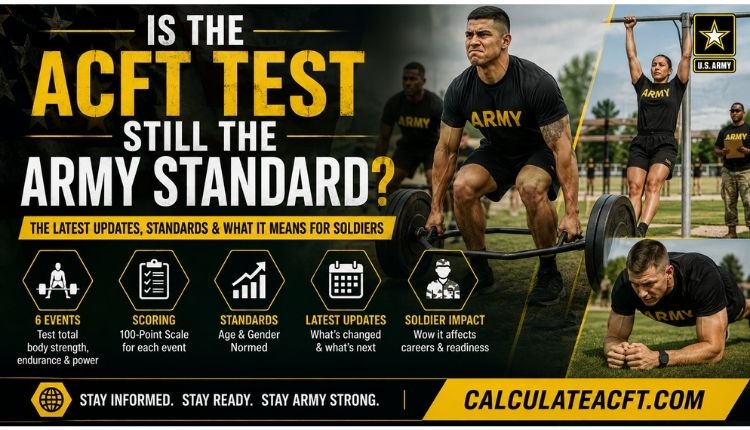
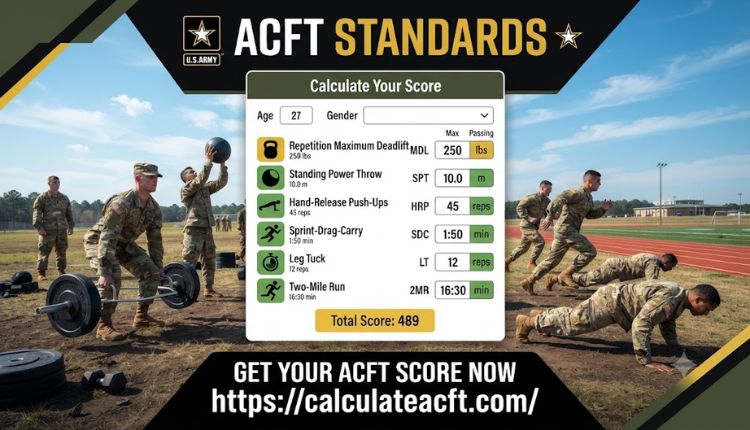
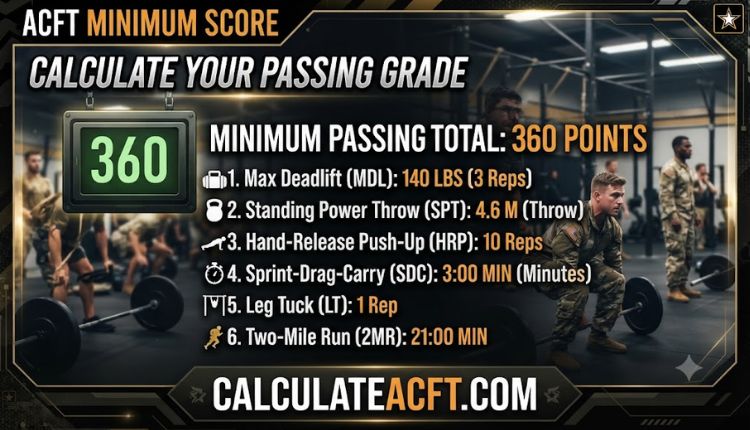
ACFT includes six main events:
- Maximum deadlift
- Handles with manual release
- Sprint-pull-carry
- Plank
- Two-mile run
- Standing throw
Each event contributes to the total score. Strong performance in one area can help offset weaker performance in another, but consistent preparation is required.
Understanding the minimum score also helps reduce test anxiety. Many candidates fail, not because they lack the ability, but because they don’t understand the scoring system or prepare poorly.
The best approach is to study the standards, practice regularly and watch for improvement over time. A structured training routine makes achieving the desired score much easier.
Which Factors Affect Your ACFT Score?

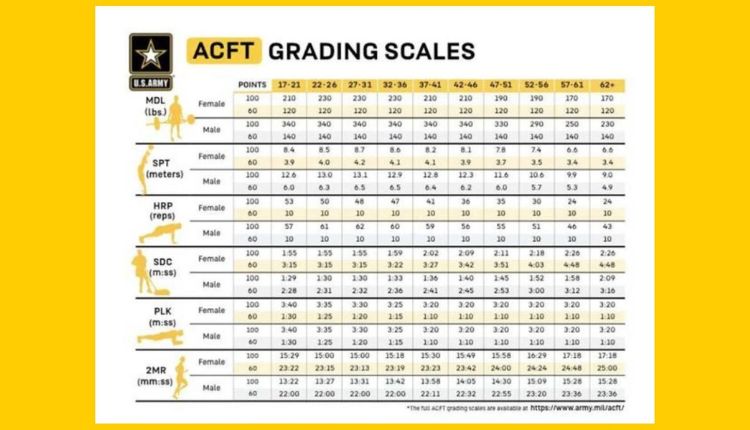
Several factors affect the ACFT minimum score, and understanding them helps candidates prepare more effectively, to know more information. The scoring system is not the same for everyone, as the standards are adjusted based on specific categories. Age and gender standards can affect the required level of performance, meaning that each participant should know the correct requirements before starting training.
Physical strength is one of the biggest factors affecting ACFT performance. Events like the deadlift require strong muscles and proper technique. Many beginners underestimate the importance of proper form. Lifting heavy weights without proper movement can reduce performance and increase the likelihood of injury.
Stamina also plays a big role. The two-mile run measures cardiovascular ability, while the sprint-pull-carry test tests speed and endurance together. Someone can have strong muscles but still struggle if their endurance is not developed.
Other important factors include:
- Consistency of training
- Recovery habits
- Nutrition
- Quality of sleep
- Mental preparation
Mental focus is often overlooked. During the test, fatigue can make events more difficult. Soldiers who remain calm and follow a strategy usually perform better.
Preparation should include both strength and conditioning exercises. Focusing on only one type of training creates weaknesses. A balanced routine helps improve the entire body and prepares candidates for each ACFT event.
A minimum score is achievable when training is properly planned. Small improvements over a few weeks can add up to significant results on test day.
Which ACFT Events Require the Most Preparation?
Every ACFT minimum score requires preparation, but some events create more challenges for candidates than others. Difficulty depends on the individual’s current fitness and experience. Events involving strength, speed, and coordination often require special attention because they combine multiple physical abilities.
The deadlift is usually one of the actions that candidates focus heavily on. It requires full-body strength, especially legs, back, and core. Proper technique is extremely important because the goal is not only to lift heavier, but also to maintain a safe movement.
Another challenging area is sprint-drag-carry. It combines short bursts of running with dragging, carrying, and quick changes of direction. This event tests strength and endurance at the same time.
Running two miles requires cardiovascular fitness. Many people train for strength but forget to improve their running skills. Regular running helps build stamina and improves recovery between events.
A balanced training approach includes:
- Strength training
- Running training
- Movement exercises
- Regeneration session
The plank event measures basic endurance. A strong core supports almost every other movement in the test. Improving core stability can facilitate other actions.
A standing power throw requires explosive movement and coordination. It is not only about throwing for a distance, but also about using the whole body effectively.
Candidates should practice all actions, as the ACFT measures overall readiness rather than one specific skill. A complete training program increases self-confidence and increases the chance of achieving the minimum score.
How Can You Train for a Better ACFT Result?
Training for a better ACFT minimum score requires discipline, patience, and a clear routine. Many candidates make the mistake of training haphazardly without understanding which areas they need to improve. A successful training plan focuses on building strength, increasing endurance, and improving technique.
Strength training should include exercises that develop the muscles used during ACFT actions. Deadlifts, squats, presses, and core exercises can promote better performance. However, the intensity of training should be increased gradually to avoid exhaustion.
Running practice should also be included regularly. Short distance speed training and longer endurance runs help prepare the body for the demands of two miles. Sprint training is particularly useful for improving performance during faster events.
A good preparation strategy includes:
- Regular practice test actions
- Tracking personal progress
- Improving weak areas
- Maintaining healthy habits
Nutrition supports training by providing energy for exercise and aiding in recovery. Drinking enough water and eating balanced meals can improve daily performance.
Mental preparation should not be ignored. Confidence comes from practice. The more someone becomes familiar with events, the easier it is to perform under pressure.
A consistent approach usually yields better results than intense training for only a short period of time. Early preparation gives candidates plenty of time to improve before test day.
What Mistakes Can Lower Your ACFT Minimum Score?
Many candidates lose marks on the ACFT minimum score. These mistakes are often related to poor preparation, incorrect technique, or misunderstanding of the requirements. Recognizing common problems can help improve performance.
One common mistake is to ignore certain events during training. Some people focus only on running or strength training while neglecting other areas. Because the ACFT measures multiple abilities, each event deserves attention.
Another mistake is the wrong pace. Candidates sometimes start off too aggressively and later lose their energy. Managing effort during the test is important because all events contribute to the final score.
Improper technique can also reduce performance. For example, using incorrect form during strength movements can limit results. Practicing proper movement patterns before testing helps prevent this problem.
Other errors include:
- Not practicing test conditions
- Lack of pre-test recovery
- Poor hydration
- Preparation is left until the last moment
Preparation should be realistic. Practicing once in a while is usually not enough to get a strong score. Regular exercise builds self-confidence and physical fitness.
Candidates should also avoid comparing their progress with others. Everyone has different starting points and rates of improvement. The goal should be personal improvement and meeting the required standard.
By avoiding these mistakes, many individuals can increase their chances of successfully achieving the minimum ACFT score.
How Long Should You Prepare Before the ACFT?
The ideal preparation time before the ACFT minimum score depends on current fitness and personal goals. Some people may need several months, while others with a strong fitness background may need less time. Starting early is usually the best approach as it allows for gradual improvement.
The preparation period gives the body time to adapt. Strength does not increase immediately, and endurance improves with repeated training. Trying to improve too quickly can lead to poor results or unnecessary failures.
A good training timeline involves building the basics first. Early training should focus on core strength, quality of movement, and endurance. Later stages may involve more test-specific practice.
Candidates should monitor their progress while preparing. Improved tracking helps identify areas that need special attention. If one event remains weak, another workout can be added.
Important preparation habits include:
- Creating a realistic schedule
- Exercise consistently
- Rest properly
- Stay motivated
The last weeks before the test should focus on maintaining performance rather than extreme training. Overtraining before ACFT can lower energy levels.
The preparation is not only physical, but also mental. Knowing what to expect on test day reduces stress and helps candidates perform closer to their abilities.
A planned approach gives candidates the best chance of meeting or exceeding the minimum point requirement.
Can Proper Planning Help You Reach the ACFT Minimum Score?
Proper planning can make all the difference in preparing for the ACFT. A clear plan creates structure and helps candidates focus during their training journey. Without planning, people often waste time doing exercises that don’t improve their weakest areas.
A successful plan takes into account current fitness abilities, goals, and available training time. Everyone starts at a different level, so preparation should be personalized.
The most effective plans combine strength, endurance, flexibility, and recovery. These areas work together to improve overall performance. ACFT minimum score does not test one specific skill; it assesses complete physical readiness.
Another valuable tool is progress tracking. Recording exercise results allows candidates to see improvement and adjust their routine if necessary.
Consistency remains the most important factor. Small daily efforts often produce better results than occasional intense exercise.
Positive thinking also helps. Many candidates improve when they believe that progress is possible and remain committed to their preparation.
A minimum ACFT score is achievable for those who understand the requirements and prepare properly. Through dedication, smart training, and patience, candidates can develop the skills needed to succeed.
The goal is not simply to pass the test, but to build lasting physical fitness that supports military responsibilities.
The Bottom Lines
The minimum ACFT minimum score represents an important standard for measuring physical fitness and overall fitness. Success requires understanding the structure of the test, knowledge of the requirements, and preparation with a balanced training approach.
ACFT challenges strength, endurance, speed and coordination. Candidates who practice consistently and focus on improving have a much better chance of achieving the desired score.
Preparation should include proper training, recovery, nutrition and mental focus. Avoiding common mistakes and creating a realistic plan can make the process easier.
The test is designed to measure abilities that are important to military performance. Meeting the minimum score is not only about passing, but also about developing the physical skills needed for challenging situations.
With dedication and the right preparation strategy, achieving the minimum ACFT score becomes a realistic goal.
FAQs
1. What is the minimum ACFT score requirement?
Minimum ACFT scores depend on official category standards, including age and gender requirements. Candidates should check their specific standards before testing.
2. How many events are included in the ACFT?
The ACFT includes six events that measure a variety of physical abilities, including strength, endurance, and power.
3. Can training improve ACFT scores?
Yes. Regular strength training, running practice, and preparation for specific events can significantly improve performance.
4. Is running the most important part of ACFT?
Running is important, but the ACFT measures multiple areas of fitness. A balanced approach is necessary.
5. How early should someone prepare for ACFT?
Preparation time depends on current condition, but starting early allows for safer and better improvement.