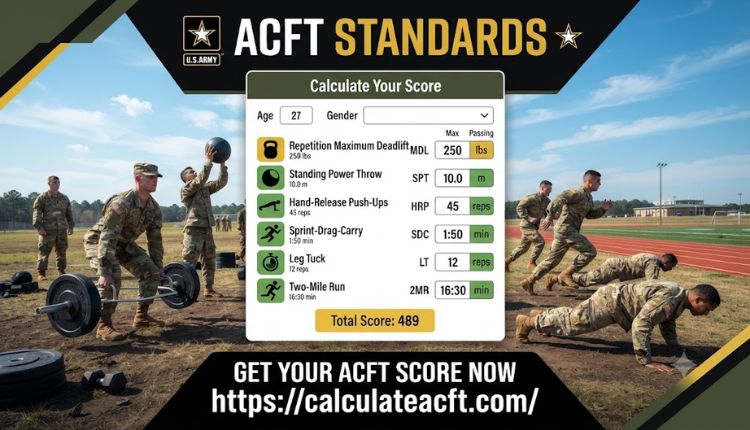
ACFT Standard
This test replaces the older fitness assessment and focuses on functional strength, endurance, agility, and power. Understanding the ACFT standard is essential for anyone preparing for military service or trying to improve overall athletic performance. This guide explains all six ACFT events, benchmarks, training strategies, and preparation tips in a clear and structured way.
It also covers common mistakes, fitness improvement methods, and nutritional advice to help candidates meet or exceed the required standards. Whether you’re a recruit, active duty soldier, or fitness enthusiast, learning the standard will help you build a stronger, fitter, and more ready body in line with modern military fitness expectations.
Understanding the ACFT Standard and Its Purpose
The ACFT standard is the official performance measure used in the Army Combat Fitness Test, which assesses a soldier’s ability to perform physically demanding tasks in real combat situations. Unlike traditional fitness tests that focused mainly on running and push-ups, the ACFT standard measures total body strength, power, agility, and endurance. It was introduced to better reflect the demands of the modern battlefield, where soldiers must lift heavy equipment, move quickly under pressure, and maintain energy during long missions.
The standard is not just about passing the test; it is about ensuring operational readiness. Each soldier must meet a minimum performance score in six different events. These events are designed to test different muscle groups and energy systems and ensure balanced physical development.
One important aspect of the standard is equity in all military roles. While combat roles may require a higher score, administrative roles still need a basic level of fitness. This ensures that every soldier can respond effectively in emergency situations. Understanding the standard is the first step to structured training and long-term physical improvement.
Components of the ACFT and Test Structure
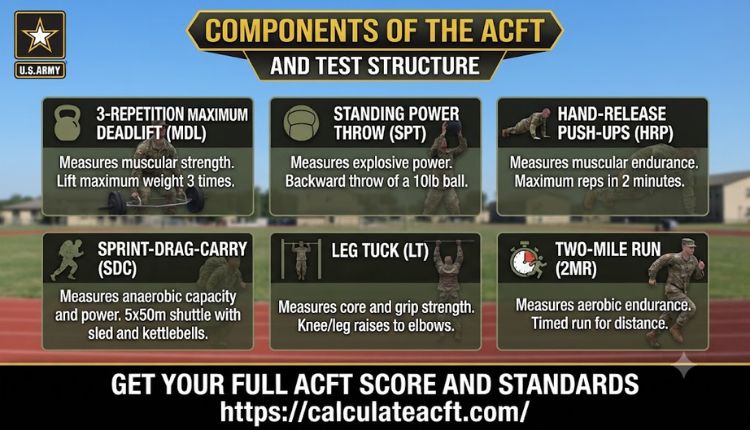
The ACFT consists of six different actions, each designed to assess a specific area of physical fitness according to standard ACFT guidelines. These events include the deadlift, standing power throw, hand-release push-ups, sprint-drag, plank hold, and the two-mile run.
The deadlift measures lower body strength and core ACFT Standard stability, which requires soldiers to lift heavy weights safely. The standing throw evaluates explosive power by throwing a weighted ball backwards. Hand-release push-ups evaluate upper-body endurance and tight form control.
Sprint-drag-carry is a high-intensity discipline that combines speed, strength and agility while fatigued. The plank hold tests basic endurance and stability and replaces older abdominal exercises. Finally, the two-mile run measures cardiovascular endurance and recovery capacity.
Each event is scored individually, and the total score determines whether the soldier meets the ACFT standard. The structure ensures that no single component of fitness dominates the overall rating. Instead, it provides a complete picture of physical fitness, making it one of the most comprehensive military fitness tests in the world.
ACFT Scoring System and Performance Benchmarks
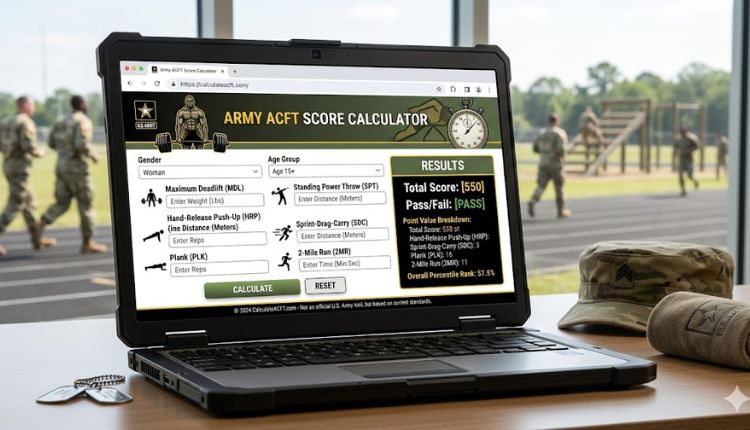
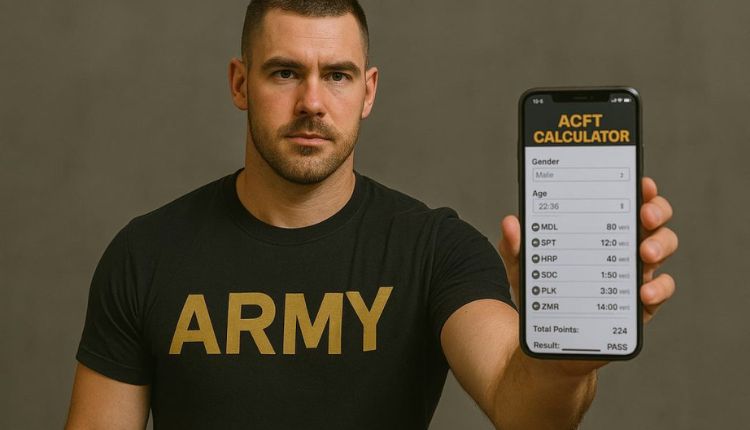
The ACFT standard scoring system is based on a point scale that rates performance in each of six actions. Each event typically contributes up to 100 points, with a maximum total score of 600 points. To pass the ACFT, Soldiers must meet minimum standards in each category as well as an overall minimum score.
Scoring is adjusted based on age groups and sometimes military occupational specialties, ensuring fairness while maintaining operational readiness. For example, higher combat roles may require a higher overall score compared to support roles.
Performance benchmarks are carefully designed to reflect real physical demands. A strong deadlift score reflects the ability to lift equipment or wounded personnel, while sprint and drag performance reflect movement on the battlefield under stress.
Major scoring points include:
- Minimum passing score per event
- Overall pass threshold (usually around 360 points)
- Higher expectations for combat roles
Understanding scoring is critical because strong performance in one area cannot compensate for poor performance in another. The standard ensures balanced fitness rather than specialization in one physical ability.
Training Strategies to Meet ACFT Standard
Preparing for the ACFT standard requires a structured training program that focuses on strength, endurance, and functional movement. A balanced approach is essential as each ACFT event targets different physical abilities.
Strength training should focus on compound movements such as squats, deadlifts and overhead presses. These exercises directly improve performance in deadlift and sprint-drag-carry events. Explosive training, such as kettlebell swings and medicine ball throws, helps improve standing power throw performance.
Endurance training is equally important. Interval running, steady-state cardio, and recovery runs improve two-mile performance. Core training, including planks and stability exercises, supports more ACFT actions.
A simple weekly structure might include:
- Strength training 3-4 days a week
- Cardio training 2-3 days a week
- Basic training daily or every other day
Consistency is key when preparing for the standard. Gradual progression in weight, intensity, and distance will lead to improved performance in all disciplines over time.
Nutrition and Recovery for ACFT Success
Nutrition plays a vital role in achieving the ACFT standard, as physical performance is largely dependent on energy intake and the quality of regeneration, know more click here. A well-balanced diet ensures that muscles repair properly and energy levels remain stable during training.
Protein is essential for muscle recovery and growth. Sources such as eggs, chicken, fish, and legumes support recovery after strength training. Carbohydrates provide the energy needed for high-intensity workouts and endurance events like running two miles. Healthy fats support hormonal balance and long-term energy.
Hydration is another key factor. Dehydration can significantly reduce performance in all ACFT events, particularly endurance-based tasks. Drinking enough water throughout the day is essential.
Recovery strategies include:
- 7-9 hours of sleep per night
- Active recovery such as walking or light stretching
- Proper rest days between intense workouts
Without proper nutrition and regeneration, meeting the standard is significantly more difficult. A disciplined lifestyle outside the gym is just as important as the training itself.
Common Mistakes in ACFT Preparation
Many candidates struggle to meet the ACFT standard due to avoidable mistakes in training and preparation. One of the most common mistakes is focusing too much on one area of fitness and ignoring others. For example, some individuals only train running and neglect strength training, resulting in poor performance in deadlift and sprint-drag-carry events.
Another mistake is inconsistent training. Sporadic training does not build the endurance and strength needed for ACFT. Lack of recovery is also a big problem, as overtraining can lead to injuries and reduced performance.
Poor technique is another factor that affects scoring. Even strong individuals can lose points if they do not perform the movements correctly according to the test standards.
Common mistakes include:
- Ignoring weaker events
- Overtraining without rest
- Poor form during exercise
- Lack of structured planning
Avoiding these mistakes is essential to successfully meeting the standard and improving overall physical fitness.
Benefits of Meeting Standard
Achieving the ACFT standard provides a number of benefits beyond passing a military aptitude test. It ensures that individuals are physically prepared for real-world operational demands, including carrying heavy loads, moving quickly under stress, and maintaining endurance for long periods of time.
One of the main benefits is improved overall health. Training for the ACFT naturally builds strength, cardiovascular endurance, and mobility. This reduces the risk of injury and improves long-term physical performance.
Another advantage is psychological resistance. The discipline required to meet the standard helps build focus, consistency, and stress management skills. These qualities are valuable in both military and civilian life.
Additionally, meeting or exceeding the standard can lead to career advancement opportunities in the military. Higher scores often reflect greater readiness and ability, which can affect assignments and promotions.
All in all, the standard is not just a testing requirement; it’s a comprehensive fitness framework that supports whole-body development and operational readiness.
Step-by-Step Preparation Guide for ACFT
Effective preparation for the ACFT standard requires a structured step-by-step approach. The first step is assessment. Understanding your current fitness level helps identify strengths and weaknesses in all six events.
The second step is to set a goal. Set clear goals for each event based on your desired passing score and personal improvement goals. This helps create a targeted training plan.
The third step is structured training. Divide the exercises into strength, endurance and skill exercises. Each session should focus on specific ACFT events while maintaining a balance in all areas of fitness.
The fourth step is to monitor progress. Regular testing helps measure improvement and adjust training intensity if necessary. This ensures consistent progress towards meeting the standard.
The final step is recovery and consistency. Without proper rest and a disciplined routine, performance will stagnate. Combining training with proper nutrition and recovery ensures long-term success.
Following this step-by-step procedure greatly increases the chances of meeting or exceeding ACFT requirements.
What’s Next?
The ACFT standard is a comprehensive measure of physical readiness designed to ensure soldiers can meet the demanding demands of modern military operations. Unlike traditional fitness tests, it assesses multiple aspects of fitness, including strength, endurance, power and agility.
Understanding and preparing for this standard requires structured training, proper nutrition, and consistent discipline. Each of the six actions contributes to a complete picture of physical ability, so balanced preparation is essential. Whether you’re training for military service or simply improving your fitness, following the standard can help you build a stronger, more resilient body. By avoiding common mistakes and following a disciplined routine, achieving success becomes significantly more attainable.
FAQs
- What does the standard mean?
The acft standard refers to the scoring and performance requirements of the Army Combat Fitness Test used to evaluate soldier readiness.
- How many events are there in ACFT?
There are six events: deadlift, power throw, push-up, sprint-drag, plank, and two-mile run.
- What is a passing score for the ACFT?
A typical passing score is around 360 points, depending on military requirements and role.
- How can I improve ACFT performance?
You can improve with a combination of strength training, cardio, core exercises, and proper recovery.
- Why is ACFT important?
It ensures that soldiers are physically capable of effectively handling real combat tasks.