Marine Corps PFT Calculator Guide: Score Standards, Tips & How to Max Your Fitness Test
It helps Marines and recruits calculate their scores based on pull-ups, push-ups or planks and the 3-mile run. Understanding how the scoring system works can greatly improve your preparation and results. This comprehensive guide explains how the Marine Corps PFT calculator works, scoring charts, age and gender standards, and proven strategies to improve your performance.
Whether you’re preparing for boot camp or aiming for a perfect score, this article provides detailed information, practical tips and expert advice. Learn how to maximize your PFT score, avoid common mistakes, and stay ahead of the competition. Ideal for both beginners and experienced sailors, this guide ensures you are fully prepared to pass the Marine Corps Physical Fitness Test.
The Marine Corps PFT Calculator
The Marine Corps PFT Calculator is designed to evaluate a Marine’s physical readiness using a standardised scoring system. It converts raw performance numbers into a final score out of 300, allowing individuals to accurately assess their fitness level. The test consists of three main parts: pull-ups (or push-ups), core exercises (push-ups or planks), and a 3-mile run.
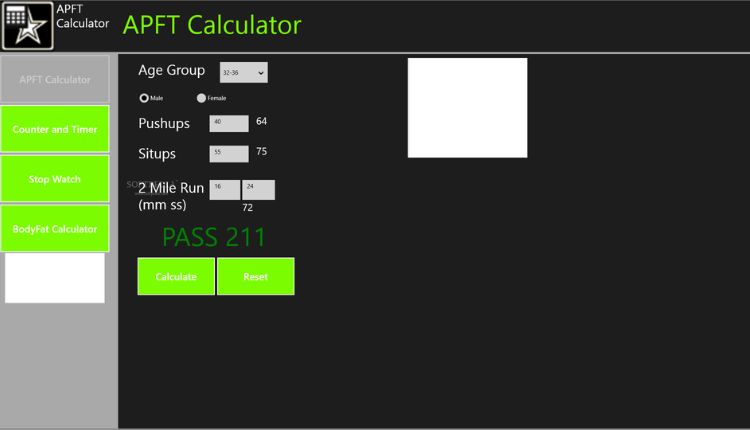
This calculator is widely used by active duty Marines, recruits and fitness enthusiasts preparing for military standards. It provides instant results and helps users understand how each activity contributes to the overall score. By entering reps and run time, the calculator will determine a score that is in line with official Marine Corps standards.
Understanding how this tool works is critical to improving performance. It highlights strengths and weaknesses and allows users to focus on specific areas. For example, if your running time is low, you may prioritise endurance training.
The calculator also adjusts for age and gender categories, ensuring fairness and accuracy. This means your score reflects realistic expectations based on your demographic.
Ultimately, the Marine Corps PFT Calculator is more than just a scoring tool. It acts as a training guide, helping sailors set goals, track progress, and achieve peak physical performance over time.
Components of The Marine Corps PFT Test
The Marine Corps PFT consists of three core exercises that measure strength, endurance, and cardiovascular fitness. Each component plays a vital role in determining the final score.
The first component is pull-ups or push-ups. Pull-ups are preferred for maximum scoring because they demonstrate upper-body strength. Push-ups are an alternative but have a lower maximum score limit.
The second component is basic exercise. Traditionally, push-ups were used, but the modern alternative has become the plank. The plank focuses on stability and endurance rather than repetition.
The third component is a 3-mile run that tests cardiovascular endurance. This is often considered the most challenging part of the test as it requires consistent pace and stamina.
Each section is scored separately and contributes to a total score of 300 points. Achieving a high score in all three areas is necessary for the top-level classification.
The main strengths of PFT components include:
- Pull-ups measure upper body strength
- Basic exercises assess abdominal endurance
- Running assesses cardiovascular fitness
- A balanced performance is essential for a high score
Understanding these components allows individuals to create targeted training plans. Instead of focusing on one area, balanced preparation ensures better overall results.
By mastering each section, Marines can significantly improve their PFT score and achieve higher classifications.
How the Marine Corps PFT Calculator Works
The Marine Corps PFT Calculator uses a standardised scoring system to convert physical performance into a numerical score. Each exercise has a maximum point value, and your performance determines how many points you get.
Downloads usually have a maximum of 100 points. Completing the required number of repetitions will earn you full points, while fewer repetitions will reduce your score proportionally.
Basic exercise also contributes up to 100 points. Whether you’re doing push-ups or holding a plank, the duration or reps directly affect your score.
The 3 mile run is timed. Faster completions lead to higher points, while slower times lower the score. This part requires strategic pace and endurance.
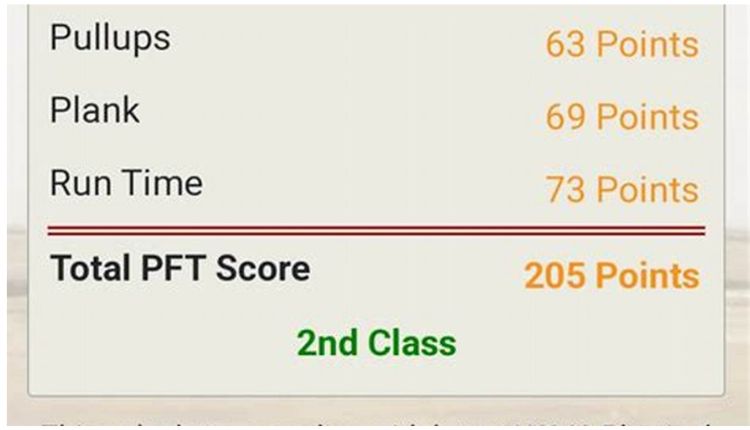
The calculator will combine all three scores to create a total of 300. This final score determines your classification level.
Important scoring factors include:
- Number of repetitions for strength exercises
- Duration of the run
- Adjustments by age and gender
- Official Marine Corps Scoreboards
Regular use of the calculator helps track improvement. For example, reducing your run time by even just a minute can significantly increase your overall score.
The system is designed to promote balanced fitness. Excelling in one area cannot fully compensate for poor performance in another.
Overall, the Marine Corps PFT Calculator provides a clear and structured way to measure physical readiness and effectively guide training efforts.
Marine Corps PFT Score Classifications
The Marine Corps PFT scoring system categorizes results into different classifications based on total points. These classifications indicate a sailor’s overall level of fitness and readiness.
A first-class score is the highest level, usually requiring a score of 235 or higher. This classification demonstrates superior physical fitness and is often expected of high-performing Marines.
Second-class scores fall between 200 and 234. This indicates a good level of fitness but leaves room for improvement.
Third-grade scores range from 150 to 199. At graduation, they reflect the need for significant improvement in training.
Scores below 150 are considered failing and require immediate attention.
Key levels of classification include:
- First class: 235-300 points
- Second class: 200-234 points
- Third class: 150-199 points
- Failure: Less than 150 points
Achieving a first-class score is often necessary for promotion and career advancement within the Marine Corps.
The calculator helps users determine their classification instantly. This allows individuals to set realistic goals and track progress over time.
Understanding these classifications motivates Marines to put in more effort and achieve higher scores. It also helps leaders assess the readiness of their units.
Consistently aiming for a top score ensures peak performance and readiness for any mission.
Training Tips to Improve Your PFT Score
Improving your Marine Corps PFT score requires a structured and consistent training approach. Focusing on all three components ensures a balanced development.
Strength training is essential to improve pull-ups. Exercises like lat pull-downs, rows, and assisted pull-ups can help build upper-body strength.
Core workouts should include planks, crunches, and leg raises. These exercises improve endurance and stability, which are crucial for the core component.
Running requires a combination of endurance and speed training. Long-distance runs build endurance, while interval training improves speed and pace.
Effective training strategies include:
- Gradually increase the intensity of the training
- Maintaining a consistent training schedule
- Track progress with the PFT calculator
- Incorporating rest and recovery days
Nutrition also plays an important role. A balanced diet supports muscle growth and energy levels.
Mental preparation is equally important. Staying motivated and focused can make a big difference in performance.
Consistency is the key to success. Regular training and tracking improvement with the calculator will lead to steady progress.
By following these tips, individuals can achieve higher scores and effectively improve their overall fitness.
Common Mistakes to Avoid During PFT Preparation
Many individuals struggle to achieve high PFT scores due to common training and preparation mistakes. By avoiding these mistakes, you can significantly improve performance.
One of the main mistakes is neglecting one component of the test. Focusing only on strength or running can lead to an unbalanced score.
Another common problem is overtraining. Excessive exercise without proper rest can lead to injury and reduced performance.
Bad running strategy is also a common problem. Starting off too fast can lead to fatigue before completing a 3-mile run.
Mistakes to avoid include:
- Ignoring weaker areas of fitness
- Skipping the warm-up and cool-down
- Inconsistent training routines
- Poor hydration and nutrition
Lack of proper form during exercise can also reduce efficiency and increase the risk of injury.
Using the Marine Corps PFT calculator helps identify weaknesses and adjust training accordingly.
Preparation should be gradual and well planned. A rushed process often leads to poor results.
Avoiding these mistakes ensures a more efficient training path and better overall performance on test day.
Benefits of Using a Marine Corps PFT Calculator
The Marine Corps PFT Calculator offers numerous benefits to individuals preparing for the test. It provides a clear understanding of performance levels and helps track progress over time.
One of the main advantages is accuracy. The calculator uses official grading standards to provide reliable results.
It also saves time by instantly converting raw data into a final score. This allows users to focus more on training than manual calculations.
Key benefits include the following:
- Instant and accurate score calculation
- Easy to track progress
- Goal setting and performance monitoring
- Improved training efficiency
The calculator also motivates users by showing measurable improvements. Seeing progress encourages continued effort and dedication.
It is especially useful for setting realistic fitness goals. When you know your current score, you can plan how to reach the next classification level.
Overall, the Marine Corps PFT Calculator is an essential tool for anyone looking to improve their physical fitness and achieve higher scores.
Preparing for Test Day Successfully
Proper test day preparation is essential to achieving a high PFT score. Physical preparation must be combined with mental preparation and proper planning.
Getting enough rest before the test is essential. Fatigue can significantly affect performance, especially during running.
Nutrition plays a key role. Eating a balanced meal before the test provides the necessary energy for optimal performance.
Warm-up exercises help prevent injuries and prepare the body for intense activity.
Important tips for test day include:
- Come early to avoid stress
- Stay hydrated
- Wearing comfortable exercise equipment
- Maintaining an even pace throughout the run
Mental focus is just as important. Staying calm and confident can improve overall performance.
Using the Marine Corps PFT calculator in advance helps set expectations and build confidence.
Preparation should not be limited to physical preparation only. A comprehensive approach ensures success on test day.
By following these strategies, individuals can perform at their best and achieve the desired PFT scores.
Wrapping It Up
The Marine Corps PFT Calculator is an essential tool for assessing and improving physical fitness. It provides accurate scoring, helps track progress, and effectively guides training efforts. By understanding the test components, scoring system, and grading, individuals can set realistic goals and work toward them.
Consistent training, proper preparation and avoiding common mistakes are the keys to success. Whether you’re a recruit or an active-duty Marine, regular use of a calculator can greatly increase your performance and readiness.
FAQs
What is the Marine Corps PFT Calculator?
It’s a tool used to calculate your physical fitness test score based on push-ups, core exercises, and a 3-mile run.
What is the maximum PFT score?
The maximum score is 300 points.
How can I improve my PFT score?
Aim for a balanced workout, including strength, core, and running exercises.
What is a premium PFT score?
A score of 235 or higher is considered first class.
Is the PFT calculator accurate?
Yes, it uses official Marine Corps scoring standards for accurate results.