5 Ways to Help Aging Parents Maintain Independence Safely
Supporting aging parents as they navigate daily life is a meaningful responsibility rooted in respect, reassurance, and thoughtful guidance. Many older adults want to continue doing the things that bring them comfort and familiarity, and with the right support, they can maintain independence in ways that feel safe and empowering. Families often turn to trusted resources, including communities offering Assisted Living in Brentwood, TN, to understand how person-centered practices can strengthen confidence and promote long-term well being. By focusing on individualized support and environments designed for comfort, families can help aging parents enjoy a lifestyle that feels both secure and self-directed.
Creating Environments That Support Ease and Confidence
One of the most effective ways to help aging parents maintain independence safely is by ensuring their environment supports ease of movement and emotional reassurance. Thoughtful adjustments can make daily routines more manageable and reduce unnecessary stress. Clear pathways, supportive handrails, wide walkways, and well lit areas help older adults navigate their surroundings with confidence.
Comfortable seating, calming décor, and familiar layouts also contribute to emotional stability. For parents experiencing cognitive changes, predictable environments reduce confusion and help them feel more grounded. When surroundings are designed with intention, older adults can move through their day with greater comfort and autonomy.
Encouraging Predictable Routines That Promote Stability
Predictable routines play a meaningful role in helping aging parents maintain independence. A consistent daily rhythm provides reassurance and helps individuals feel more in control of their day. Mealtimes, wellness activities, social experiences, and quiet reflection periods can be arranged in ways that support cognitive comfort and emotional balance.
For parents living with Parkinson’s or other conditions, predictable routines help reduce stress and promote a sense of calm. Families can support independence by encouraging gentle structure without overwhelming their loved one. When routines feel familiar and manageable, older adults are more likely to participate confidently in daily activities.
Offering Personalized Support That Respects Individual Preferences
Personalized support is essential for helping aging parents maintain independence safely. Each individual has unique preferences, comfort levels, and routines that shape how they experience daily life. Families can strengthen independence by honoring these details and providing guidance that feels natural rather than intrusive.
Learning how parents prefer to begin their mornings, what brings them comfort, and which activities feel meaningful helps create a supportive foundation. For parents living with Parkinson’s or other conditions, adaptable guidance ensures comfort without implying constant supervision. Personalized support encourages confidence and helps older adults feel respected and understood.
Promoting Social Connection That Reduces Isolation
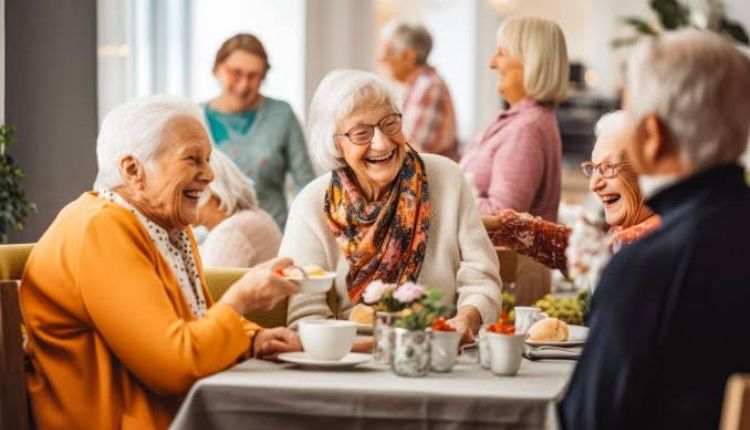
Social connection is vital for emotional well being and plays a significant role in maintaining independence. Older adults often feel more confident when they have opportunities to interact with others in comfortable, predictable settings. Community gatherings, creative workshops, shared meals, and casual conversations help individuals build relationships that enrich daily life.
Families can support independence by encouraging social experiences that feel meaningful and enjoyable. When aging parents feel connected to others, they experience greater emotional resilience and are more likely to engage in daily activities. Social connection helps reduce isolation and strengthens overall well being.
Supporting Wellness Practices That Encourage Balance
Wellness practices contribute to physical comfort, emotional stability, and cognitive resilience. Gentle movement sessions, relaxation activities, mindfulness practices, and educational discussions offer accessible opportunities for engagement without pressure. Families can help aging parents maintain independence by encouraging wellness experiences that align with their abilities and comfort levels.
For parents living with Parkinson’s or other conditions, adaptable wellness offerings ensure comfort while promoting balance. When wellness is integrated naturally into daily life, individuals experience greater reassurance and long-term stability. Wellness practices help older adults feel more confident navigating their day and contribute to a lifestyle that supports independence safely.
Conclusion
Helping aging parents maintain independence safely involves creating supportive environments, encouraging predictable routines, offering personalized guidance, promoting social connection, and supporting wellness practices. These elements work together to create surroundings where older adults feel respected, comfortable, and reassured. When families prioritize dignity, emotional well being, and thoughtful support, they help their loved ones enjoy a more fulfilling and grounded everyday lifestyle.