PFT Calc
Whether you’re preparing for military service, law enforcement recruitment, a firefighter assessment, or a fitness assessment, a reliable calculator can simplify score calculations and performance tracking. By entering data such as run times, push-ups, sit-ups, or other fitness metrics, users can instantly understand their strengths and identify areas that need improvement.
This guide explains how the calculation works, the benefits of using it, common scoring methods, and practical strategies to improve your results. You will also learn about different types of physical fitness tests, interpretation of scores, training techniques, and frequently asked questions. If you want to maximize your performance and achieve better fitness results, understanding how to use PFT Calc effectively is a necessary step to success.
Understanding What a PFT Calc Is
PFT Calc is a digital or manual calculation tool designed to estimate and evaluate physical fitness test scores. These calculators are commonly used by military personnel, law enforcement, firefighters, athletes, and fitness enthusiasts who need a quick method of determining their overall performance.
Physical fitness tests often consist of multiple activities, including running, push-ups, sit-ups, pull-ups, planks, and other endurance or strength exercises. Each activity contributes to the final score based on pre-defined standards. Calculating these scores manually can be time-consuming and sometimes confusing. Pft calc eliminates this complexity by automatically converting performance metrics into meaningful results.
Fitness calculators have grown in popularity significantly as people want instant feedback on their progress. Instead of waiting for official score reports, users can instantly estimate their performance and adjust their training routines.
Many organizations regularly update their fitness standards. The modern calculation helps users stay in line with current requirements and ensures accurate score predictions. Whether you’re preparing for an upcoming assessment or tracking long-term progress, these calculators provide valuable information that can support better fitness planning and goal achievement.
How a PFT Calc Works
PFT Calc works by processing fitness performance data according to specific grading standards. The exact calculations depend on the organization administering the Physical Fitness Test, but the overall concept remains similar for most systems.
Users enter their performance metrics in the designated fields. These inputs may include:
- Number of push-ups completed
- The number of pull-ups performed
- Repetition of sit-ups
- Run length and completion time
- The duration of the board
- Age category
- Gender category
After entering the information, the calculator compares the results with the scoring tables and formulas established by the relevant organization. The system then generates scores for individual events as well as an overall fitness score.
The main advantage of using calc is accuracy. Human error may occur when viewing graphs or performing calculations manually. Automated tools reduce errors and deliver consistent results every time.
Additionally, many calculators offer advanced features such as score projections, performance tracking, and recommendations for improvement. These features allow users to experiment with different scenarios and understand how changes in one activity can affect their overall score.
For individuals preparing for competitive selection programs, access to a reliable pft calculation can greatly improve training planning and effectiveness.
Why Physical Fitness Test Scores Matter
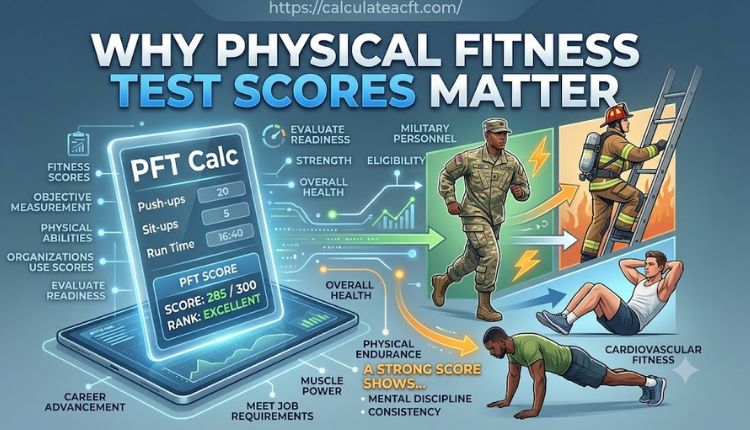
The results of the physical fitness test serve as an objective measurement of an individual’s physical abilities, know more information. Organizations use these scores to evaluate readiness, endurance, strength, and overall health.
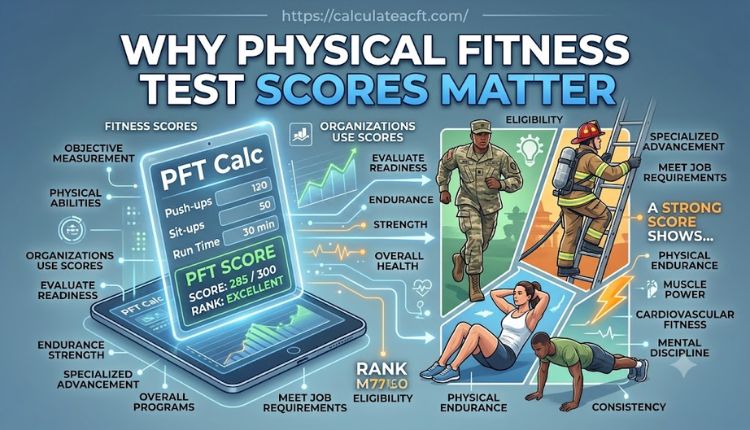
For military personnel, fitness scores can affect career advancement opportunities, eligibility for specialized programs, and operational readiness. Law enforcement agencies often use fitness assessments during recruitment to ensure candidates can meet job requirements.
A strong score shows several important qualities:
- Physical endurance
- Muscle power
- Cardiovascular fitness
- Mental discipline
- Consistency in training
Pft calc helps individuals understand exactly where they stand in relation to the required standards. Rather than guessing whether performance is adequate, users can view accurate scores and identify weak spots.
Tracking scores over time also creates accountability. When people see measurable improvements, they are more motivated to continue training. Conversely, declining scores may indicate the need for adjustments in exercise routines, nutrition, or recovery strategies.
Fitness assessment is not just about passing the test. They reflect overall physical fitness and may contribute to long-term health benefits. Understanding score calculations using a calculator allows individuals to focus their efforts more effectively and achieve better results.
Key Benefits of Using a PFT Calc
Using PFT Calc offers numerous benefits for anyone preparing for a fitness assessment. One of the most important benefits is convenience. Instead of manually referencing score charts, users get instant calculations within seconds.
Another big advantage is performance forecasting. By entering hypothetical results, users can determine what scores they need to achieve specific goals. This helps create targeted training plans based on realistic goals.
Other benefits include:
- Quick score estimate
- Reduction of calculation errors
- Better goal setting
- Improved progress tracking
- Increased training motivation
- Easier preparation for assessments
Pft also supports strategic training. For example, users may find that improving their running time by one minute yields more points than increasing their push-up repetitions. This insight allows them to allocate training resources more efficiently.
Many fitness enthusiasts use calculators regularly to track weekly or monthly improvements. Seeing progress in numerical form provides valuable encouragement and reinforces positive habits.
In addition, coaches and trainers can use these tools to assess clients. Accurate score predictions help create realistic expectations and improve communication about performance goals.
Overall, calculation transforms complex fitness data into actionable information that supports smarter decision-making.
Common Components Included in Physical Fitness Tests
Physical fitness tests typically assess multiple aspects of fitness rather than focusing on a single exercise. This comprehensive approach ensures a balanced assessment of overall physical ability.
Most tests include cardiovascular endurance assessments. Running events are commonly used because they effectively measure aerobic fitness and stamina. Timed runs may range from one mile to several miles depending on organizational requirements.
Strength-based exercises are also standard components. These often include push-ups, pull-ups, or similar movements that evaluate upper-body strength and muscular endurance.
Core strength is often assessed using exercises such as sit-ups or planks. A strong core supports overall athletic performance and reduces the risk of injury.
Common PFT components include:
- Timed running events
- Shyby
- Pull-ups
- Sit-downs
- Plank holds
- The shuttle run
- Sprint tests
- Agility rating
Pft calc incorporates these components into the scoring framework. Users enter their performance data, and the calculator converts the results into standardized scores.
Understanding the role of each component can help individuals develop balanced training programs that improve overall fitness rather than over-focusing on one area.
Strategies to Improve Your PFT Results
Achieving a better score requires a combination of structured training, proper nutrition, recovery, and consistency. PFT Calc can identify weaknesses, but improvement depends on implementing effective strategies.
The first step is to determine the base score. Once users know their current performance level, they can create realistic improvement goals. Gradual progress tends to produce better long-term results than increasing aggressive training.
Cardiovascular fitness can be improved by regular jogging, interval training and endurance training. Strengthening exercises should focus on the movements normally included in the test.
Important improvement strategies include:
- Following a structured training plan
- Practicing test-specific exercises
- Maintaining proper nutrition
- Stay hydrated
- Prioritizing sleep and recovery
- Consistently monitor progress
Recovery is often overlooked. Overtraining can lead to fatigue, reduced performance and increased risk of injury. Rest days allow the body to adapt and become stronger.
Regular use of PFT helps measure improvement and ensures that training efforts are producing meaningful results. Regular reviews also maintain motivation by highlighting progress that might otherwise go unnoticed.
Mistakes People Make When Using a PFT
Although the PFT calculation is a valuable tool, improper use can lead to misleading results. One common mistake is to enter inaccurate performance data. Even small errors in running time or number of repetitions can significantly affect the score.
Another issue concerns the use of outdated scoring standards. Organizations occasionally adjust fitness requirements, and calculators based on older standards may produce incorrect estimates.
Other common mistakes include:
- Ignoring age-specific standards
- Using unofficial calculators
- Incorrect rounding of performance numbers
- Focusing on total score only
- Neglecting weaker fitness parts
Some users focus too much on the results of the calculator instead of actually developing fitness. While scores are important, improving overall health and fitness should remain the primary goal.
It is also important to understand that the calculation provides estimates rather than official results. Final scores are usually determined by authorized raters during formal testing procedures.
Using reliable tools and entering accurate information can help maximize the fitness calculator’s usefulness while avoiding unnecessary confusion.
The Future of PFT Calc Technology and Fitness Tracking
Technology is constantly changing the way people track fitness performance. Modern Pft calculation platforms are increasingly sophisticated and offer functions far beyond basic score calculations.
Many advanced systems are now integrating with wearable fitness devices. This enables automatic import of performance data, reducing manual entry requirements and increasing accuracy.
Artificial intelligence and machine learning technologies are also influencing fitness assessment tools. Future calculators may provide personalized training recommendations based on individual strengths and weaknesses and historical performance patterns.
Emerging trends include:
- Real-time performance monitoring
- Mobile application integration
- Personalized coaching insights
- Automatic progress reports
- Predictive Score Forecast
- Wearable device connectivity
As fitness technology evolves, calc tools are likely to become even more valuable to athletes, military personnel, and fitness enthusiasts. Enhanced analytics and personalized guidance can help users achieve their goals more effectively than ever before.
The future promises smarter and more connected fitness solutions that make performance evaluation easier, faster, and more accurate.
The Bottom Lines
Pft calc is an essential tool for anyone preparing for a physical fitness test. It simplifies score calculations, provides immediate performance feedback, and helps users identify opportunities for improvement. Whether you’re training for military service, law enforcement recruitment, firefighting, or personal fitness goals, understanding your scores is critical to success.
By regularly using the calculation, tracking progress, and implementing structured training strategies, individuals can make informed decisions that will lead to better performance results. Combined with proper nutrition, recovery, and consistent effort, these calculators can play a significant role in achieving fitness excellence and long-term success.
FAQs
What does PFT mean?
PFT stands for Physical Fitness Test, which is a standardized assessment used to measure physical performance and fitness.
Is the calculation accurate?
PFT can be highly accurate when it uses current scoring standards and correct performance data.
Who uses PFT?
These calculators are commonly used by military personnel, law enforcement candidates, firefighters, athletes, fitness trainers, and general fitness enthusiasts.
Can PFT predict official score?
It provides estimates based on available standards, but official scores are determined during formal testing.
How often should I use PFT?
Many users check their scores every few weeks or after major training milestones to track progress.
Does PFT help improve fitness?
The calculator itself does not improve fitness, but helps identify strengths and weaknesses so users can train more effectively.
Are all calculators the same?
No. Different organizations have unique scoring systems, so calculators are usually designed for specific tests.
What is the biggest advantage of using pft?
The biggest benefit is getting quick and accurate score estimates that support goal setting and performance improvement.