PFT CFT Calculator
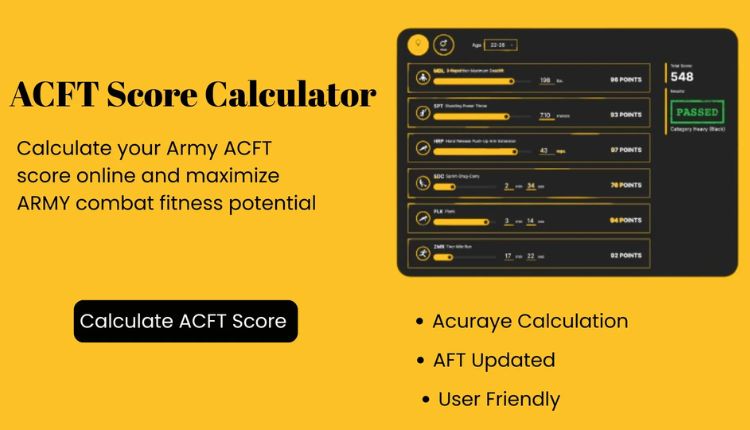
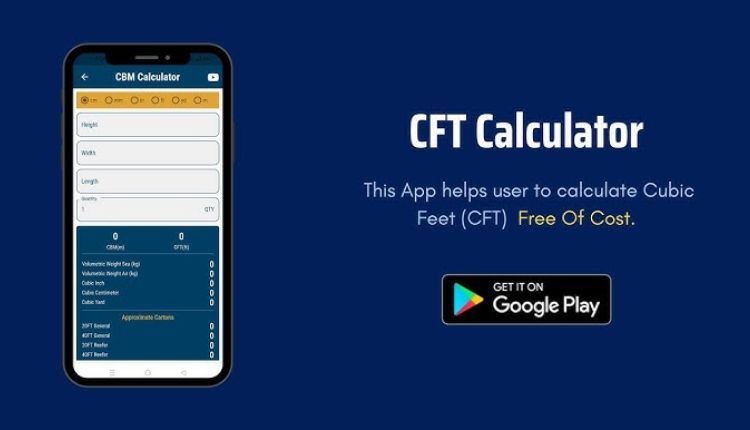
It helps calculate scores based on Physical Fitness Test (PFT) and Combat Fitness Test (CFT) standards and provides accurate information on performance levels. By entering details such as age, gender and exercise results, users can quickly determine their overall fitness score.
This calculator is widely used to track progress, set realistic fitness goals, and improve strength, endurance, and agility. Whether you are a beginner or a seasoned practitioner, understanding how the PFT CFT calculator works can greatly enhance your preparation strategy. In this guide, we’ll explore everything from calculation methods to training tips to ensure you maximize your performance and achieve the highest scores efficiently.
Understanding the PFT CFT Calculator
The PFT CFT calculator is designed to evaluate physical performance based on standardised military fitness tests. These tests are commonly used by the armed forces to measure strength, endurance and overall physical fitness. The calculator simplifies the assessment process by converting raw performance data into a final score that reflects an individual’s fitness level.
In most cases, the physical fitness test focuses on exercises such as running, push-ups, and sit-ups, while the combat fitness test includes more practical and combative activities such as sprinting, lifting, and agility drills. By combining these elements, the calculator provides a comprehensive view of physical ability.
Using the CFT calculator eliminates the guesswork. Instead of manually calculating scores, users can simply enter performance data and get instant results. This makes it particularly useful for candidates preparing for military recruitment or active duty personnel aiming to maintain required fitness standards.
The tool also helps identify strengths and weaknesses. For example, someone may excel at endurance but struggle with strength training. With this overview, users can adjust their training routines accordingly.
Additionally, the calculator supports consistency. By tracking scores over time, individuals can measure progress and stay motivated. This makes it not only a scoring tool but also a valuable part of a long-term fitness strategy.
How the CFT Calculator Works
The PFT CFT calculator works by accepting user input and applying predefined evaluation criteria. These criteria vary depending on the specific military branch or organisation, but the general principle remains the same.
Users typically need to enter the following details:
- Age
- Gender
- Number of push-ups completed
- Number of sit-ups or push-ups
- Running time or distance
- Other CFT activities, such as sprint times or lifting repetitions
Once the data is entered, the calculator assigns points to each activity based on performance benchmarks. These points are then added together to create a total score.
The scoring system is designed to be fair and standardised. For example, younger individuals may have more stringent performance requirements compared to older age groups. Similarly, grading standards may differ between males and females to ensure equal grading.
One of the key advantages of this system is accuracy. Manual calculations can be prone to error, especially when working with multiple variables. The calculator ensures accurate results every time.
Another advantage is speed. Instead of spending time understanding complex scoring tables, users can get their results instantly. This allows them to focus more on training than calculations.
Overall, the CFT calculator is a reliable and efficient tool that simplifies the evaluation process while maintaining accuracy and fairness.
Key Components of PFT and CFT Tests
To fully understand the PFT CFT calculator, it is important to know the main components of these tests. Each component is designed to measure a specific aspect of physical fitness.
A physical fitness test usually includes endurance and strength exercises. Running is a major component, often covering a distance of one to three miles. This tests cardiovascular endurance and stamina. Push-ups and sit-ups measure upper body and core strength.
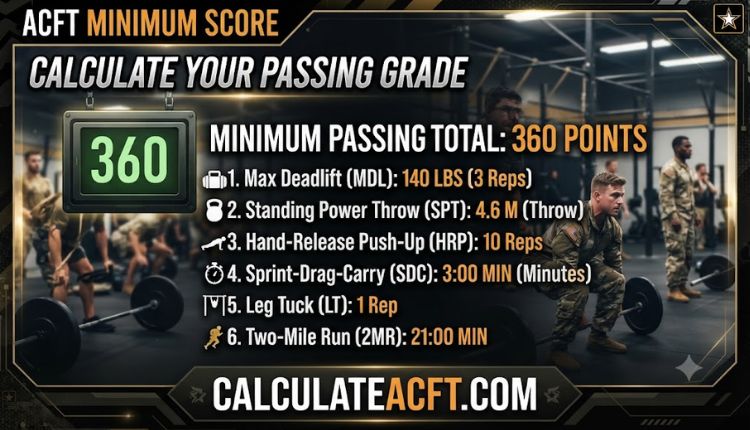
The Combat Fitness Test, on the other hand, focuses on actual physical exertion. It includes activities such as sprinting, lifting weights and carrying objects. These exercises simulate combat scenarios and test functional strength and agility.
Key components include the following:
- Endurance running
- Upper body push-ups
- Sit-ups or push-ups to strengthen the core
- Sprint is training for speed
- Ammo lifts for strength
- Maneuvering exercise for agility
Each of these components contributes to the final score. The calculator assigns different weights to each activity depending on its importance.
Understanding these components helps users prepare effectively. Instead of focusing on just one area, they can develop a balanced training routine that will improve all aspects of fitness.
This holistic approach ensures better performance and higher scores in both the PFT and CFT assessments.
Benefits of Using a CFT Calculator
The PFT CFT calculator offers several advantages to individuals preparing for aptitude tests. One of the most significant advantages is convenience. Users can quickly calculate their scores without the need for extensive knowledge of scoring systems.
Another major benefit is accuracy. The calculator eliminates human error and ensures accurate results. This is especially important for individuals who rely on their scores for hiring or promotion purposes.
The tool also helps in setting goals. By knowing their current score, users can set realistic goals for improvement. This makes training more targeted and effective.
Other benefits include:
- Easily track progress over time
- Instant performance feedback
- Better understanding of strengths and weaknesses
- Better motivation thanks to measurable results
The calculator is also useful for coaches and trainers. They can use it to track the performance of multiple individuals and design customised training programmes.
In addition, it saves time. Instead of manually calculating scores, users can get results instantly and focus on improving their fitness.
All in all, the CFT calculator is not just an assessment tool but a comprehensive solution for tracking and improving fitness.
Training Tips to Improve PFT CFT Scores
Improving your PFT CFT calculator requires consistent effort and a well-structured training plan. The first step is to identify your weaknesses. Once you know where you need to improve, you can focus your training accordingly.
Cardiovascular endurance is key to running performance. Regular jogging combined with interval training can significantly improve endurance. Strength training is just as important for exercises like push-ups and deadlifts.
Effective training tips include:
- Maintain a consistent exercise schedule
- Include both strength and endurance exercises
- Practise test-specific movements regularly
- Focus on proper form and technique
- Allow yourself sufficient rest and regeneration
Nutrition also plays a key role. A balanced diet with enough protein, carbohydrates, and healthy fats supports muscle growth and energy levels. Hydration is equally important for optimal performance.
Mental preparation is another factor. Staying focused and confident during the test can make all the difference. Visualisation techniques and positive thinking can help improve performance.
By following these strategies, individuals can gradually improve their fitness and achieve higher scores on the PFT and CFT tests.
Common Mistakes to Avoid in PFT CFT Preparation
Many individuals make mistakes during preparation that can negatively affect their performance. One common mistake is neglecting certain parts of the test. For example, focusing only on running and ignoring strength training can lead to uneven performance.
Another mistake is overtraining. While consistency is important, excessive training without proper rest can lead to fatigue and injury.
Common mistakes include:
- Ignoring proper warm-ups and cool-downs
- Using incorrect exercise techniques
- Skipping rest days
- It doesn’t track progress
- Poor nutrition and hydration
Lack of planning is also a big problem. Without a structured training plan, it is difficult to achieve sustained improvement.
Additionally, many individuals underestimate the importance of recovery. Adequate sleep and rest are essential for muscle recovery and overall performance.
Avoiding these mistakes can greatly improve your preparation and help you achieve better results in your fitness tests.
Choosing the Best CFT Calculator Online
With so many options available online, choosing the right PFT CFT calculator is important. A good calculator should be user-friendly, accurate, and conform to current grading standards.
One of the key factors to consider is reliability. The calculator should use official scoring criteria to ensure accurate results.
Important features to look for include:
- Easy-to-use interface
- Accurate scoring system
- Compatibility with various devices
- Quick result generation
- Ability to monitor progress
Safety is another factor. Make sure the platform you use doesn’t misuse your personal information.
Some calculators also offer additional features such as performance analysis and training suggestions. These can be useful for individuals who want to improve their scores.
By choosing the right calculator, users can improve their preparation and ensure accurate performance evaluation.
Future of Fitness Tracking with CFT Calculators
The future of fitness tracking is getting more advanced and PFT CFT calculators are evolving with technology. Modern tools integrate with mobile apps and wearables to provide real-time data.
This allows users to monitor their performance continuously, not just during tests. Advanced analytics can provide deeper insight into fitness levels and suggest customised training plans.
Emerging trends include:
- Integration with fitness trackers
- Real-time performance monitoring
- AI-based training recommendations
- Cloud-based progress tracking
- Improved user interfaces
These improvements make fitness tracking more efficient and affordable. Users can now get detailed feedback and make data-driven decisions to improve their performance.
The use of technology also makes it easier for coaches to manage and track multiple individuals. This is especially useful in military training environments.
Overall, the future of PFT CFT calculators looks promising, with continuous improvements aimed at improving the user experience and performance results.
Conclusion
The PFT CFT Calculator is an essential tool for anyone preparing for military aptitude tests. It simplifies the scoring process, provides accurate results and helps individuals effectively track their progress. By understanding how it works and using it regularly, users can identify their strengths and weaknesses and improve their performance over time.
With the right training, avoiding common mistakes and using the right tools, achieving high scores is much more attainable. As technology continues to evolve, these calculators will become even more powerful, offering advanced features and deeper insight into fitness performance.
Frequently Asked Questions
What is a CFT calculator?
The PFT CFT calculator is a tool used to calculate scores for physical fitness tests and combat fitness tests based on performance data.
How accurate are PFT CFT calculators?
They are highly accurate as long as they use official scoring standards and correct input data.
Can beginners use the CFT calculator?
Yes, it is suitable for beginners, as it helps track progress and set realistic fitness goals.
Are PFT and CFT tests different?
Yes, PFT focuses on basic fitness, while CFT emphasizes physical skills related to combat.
How can I improve my PFT CFT score?
Consistent training, proper nutrition, and targeting weaknesses can help improve your score.