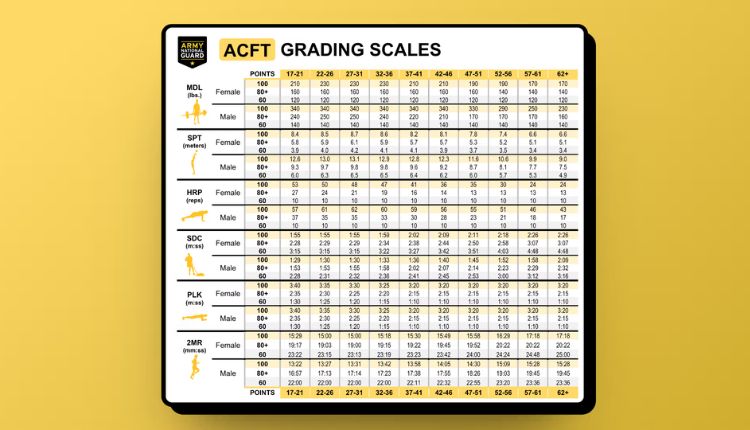
APFT Score Chart
It assesses push-ups, sit-ups, and 2-mile run performance and assigns scores by age and gender categories. Understanding how the APFT score chart works helps candidates prepare effectively and score maximum points. This guide provides a detailed breakdown of grading standards, tips for improving performance, and common mistakes to avoid.
Whether you’re preparing to enlist or trying to improve your current fitness, mastering the APFT scoring system is essential. Learn how to interpret scores, meet minimum requirements, and strive for excellence with our comprehensive guide to APFT scores.
What is the APFT Score Chart
The APFT score chart is a standardised system used by the United States Army to evaluate the physical fitness of soldiers. It plays a vital role in determining whether a soldier meets the required physical standards. The chart awards points based on performance in three basic exercises: push-ups, sit-ups, and the two-mile run. Each event is scored individually and the combined score determines the overall fitness.
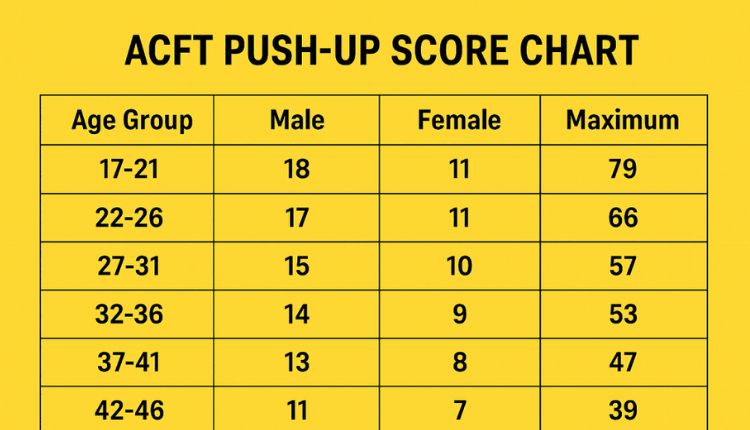
The table is divided into categories by age and gender. This ensures fairness, as physical abilities can vary across demographics. For example, younger soldiers are expected to perform more repetitions or run faster compared to older individuals.
The APFT scoring chart uses a maximum score of 300 points, with each event contributing up to 100 points. To pass, a soldier must score at least 60 points in each discipline, for a total of at least 180 points.
Understanding this chart is essential for anyone preparing for military service. It provides clear benchmarks and allows individuals to track their progress effectively. By studying the chart, candidates can identify their strengths and weaknesses and focus on improving specific areas.
The APFT Score Chart is not only a measurement tool but also a motivational guide. It promotes discipline, consistency and goal setting, all key characteristics of military training.
APFT Score Chart Structure and Scoring System
The APFT score chart is designed to provide a fair and measurable scoring system. Each of the three exercises – push-ups, sit-ups and the two-mile run – is scored separately. The maximum score for each event is 100 points, so the total possible score is 300.
Scoring is based on performance metrics such as repetitions completed in a certain time frame or the time it takes to complete a run. For push-ups and sit-ups, soldiers have two minutes to complete as many repetitions as possible. For running, timing is key.
Here is the basic breakdown:
- Shyby: Number completed in 2 minutes
- Sit-ups: Count completed in 2 minutes
- 2-mile run: Time taken to complete
Each performance is then compared to a scoreboard to determine points earned. The chart includes detailed tables that show scores for different age groups and genders.
Key points of the scoring system:
- The minimum score to pass the event is 60
- The overall minimum score for passing is 180
- The maximum score attainable is 300
- Scores vary by age and gender
This structured system ensures consistent evaluation of all participants. It also allows soldiers to set realistic goals and gradually improve.
Understanding the scoring system helps candidates strategize their training. For example, if someone struggles with running, they can spend more time improving endurance.
APFT Score Chart Requirements by Age and Gender
The APFT score chart is carefully designed to account for age and gender differences. This ensures that the test remains fair and achievable for all participants. Each category has its own set of performance measures.
For younger soldiers, the requirements are generally higher. They are expected to complete more repetitions and run faster. As we age, standards gradually adjust to reflect natural physical changes.
For example, a man aged 17-21 may need to do more push-ups to achieve the same score as a man aged 40-45. Similarly, running times vary significantly across age groups.
Gender differences are also taken into account. Female participants have separate scoring charts that reflect different physiological factors. This ensures that everyone is evaluated on a level playing field.
Key considerations include:
- Age groups are usually divided into groups (e.g. 17–21, 22–26, etc.)
- Each group has specific scoring tables
- Norms decrease slightly with age
- Men’s and women’s rankings are different
By understanding these requirements, candidates can better prepare for the test. It allows them to focus on realistic goals and avoid unnecessary stress.
The adaptability of the APFT score makes it an effective tool for assessing a diverse group of individuals. It ensures fairness while maintaining high standards.
Importance of the Score Chart in Military Fitness
The APFT score is more than just a scoring tool—it’s an essential part of military life. It helps maintain a high level of physical fitness among soldiers. Physical fitness is essential for the effective performance of duties, especially in demanding environments.
A good APFT score reflects discipline, strength, and perseverance. These qualities are essential for success in the military. Soldiers with higher scores are often considered more capable and reliable.
The leaderboard also plays its role in career progression. High scores can lead to promotions, special assignments, and leadership opportunities. On the other hand, failure to meet minimum requirements may result in consequences such as remedial training.
Benefits of the Score Chart include:
- It supports regular physical training
- It sets clear performance standards
- It helps identify areas for improvement
- It promotes accountability
The table also promotes a competitive environment and motivates soldiers to perform better. Creates a culture of excellence and continuous improvement.
Additionally, APFT scores help maintain overall health and well-being. Regular training reduces the risk of injury and improves mental resilience.
Overall, the importance of the APFT score chart cannot be overstated. It is a vital part of military readiness and personal development.
How to Use the Score Chart Effectively
Effective use of the APFT score chart requires an understanding of how to interpret the data. The chart provides a detailed breakdown of scores based on performance metrics.
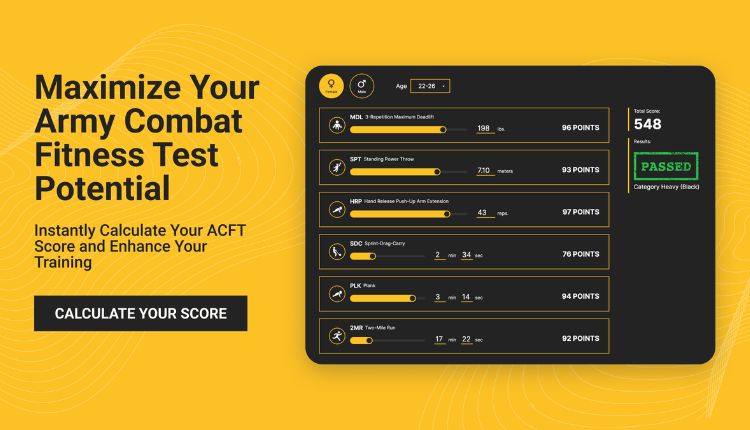
Candidates should first determine their age and gender category for proper usage. They can then compare their performance in each event with the corresponding score.
How to use the chart:
- Specify your category (age and gender)
- Record your performance in each event
- Compare the results with the graph
- Calculate your total score
This process helps individuals track their progress over time. It also allows them to set specific goals for improvement.
Another important aspect is consistency. Checking your score regularly can help you stay motivated and focused. It also provides a clear picture of your fitness.
Tips for effective use:
- Track your performance every week
- Focus on weak points
- Set realistic goals
- Watch for improvements
Using the APFT score chart as a guide, candidates can create a structured training plan. This increases the chances of achieving a higher score.
The table is not only for evaluation – it is also a powerful training tool. It helps individuals stay disciplined and committed to their fitness journey.
Training Tips to Improve APFT Scores
Improving your APFT score requires a combination of strength training, endurance exercises, and proper nutrition. Consistency is the key to success.
For push-ups and sit-ups, focus on building core and upper body strength. Regular exercise will help increase the number of repetitions. Cardiovascular training is essential for running.
Effective training tips:
- Practice push-ups and sit-ups daily
- Incorporate running into your routine
- Use interval training for endurance
- Maintain a balanced diet
- Allow yourself sufficient rest and regeneration
Strength exercises such as planks, bench presses, and squats can also be beneficial. These exercises improve overall fitness and promote better performance.
It is also important to monitor progress. Keeping a record of your workouts helps identify improvements and areas that need attention.
Avoid overtraining, as it can lead to injury. Balance is key to long-term success.
Mental preparation is equally important. Staying motivated and focused can make a big difference in performance.
By following a structured training plan, candidates can continually improve their APFT scores and reach their fitness goals.
Common Mistakes to Avoid in APFT Preparation
Many candidates make mistakes while preparing for the APFT score chart. By avoiding these mistakes, you can significantly improve performance.
One common mistake is neglecting one of the events. Some individuals focus too much on strength training and ignore running, or vice versa. Balanced training is essential.
Another mistake is inappropriate form. Incorrect execution of push-ups and sit-ups may result in disqualification or a lower score.
Common mistakes include:
- Ignoring proper technique
- Overtraining without rest
- Lack of consistency
- Poor time management
- Not following a structured plan
Diet and hydration are also often overlooked. Proper nutrition plays a vital role in performance and recovery.
In addition, some candidates do not practise under probationary conditions. This can lead to poor time management during the actual test.
Avoiding these mistakes requires discipline and awareness. By focusing on the right techniques and maintaining consistency, candidates can achieve better results.
Preparation is not just about physical exertion – it also involves strategy and planning.
Future of the APFT and Transition to ACFT
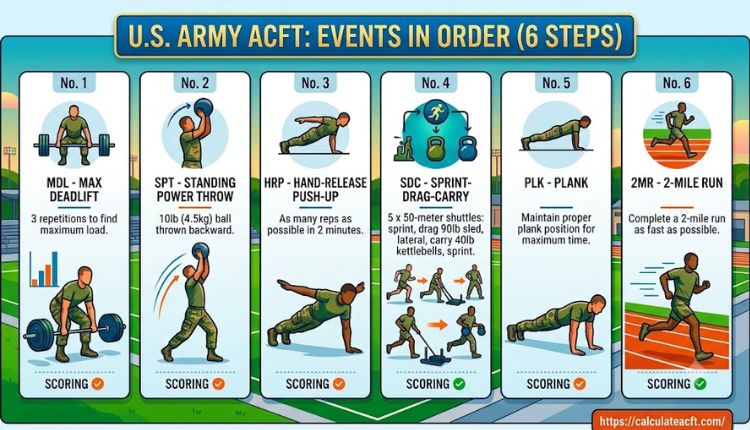
The APFT has been the standard aptitude test for many years. However, the Army has implemented the Army Combat Fitness Test (ACFT) as a more comprehensive evaluation system.
ACFT includes additional exercises such as deadlifts, sprint-drag-carries, and leg pulls. It focuses on measuring a wider range of physical abilities.
Despite this transition, the APFT score chart remains relevant to understanding basic fitness standards. Many training programmes still use it as a benchmark.
Key differences between APFT and ACFT:
- APFT focuses on three events
- ACFT includes six events
- The ACFT measures functional fitness
- APFT emphasises endurance
The transition reflects the evolving needs of the military. Modern combat requires a wider range of physical skills.
An understanding of both systems can be beneficial for candidates. It prepares them for current and future fitness requirements.
The score chart continues to serve as the basis for military fitness. It remains a valuable tool for building discipline and strength.
Conclusion
The APFT Score Chart is an essential tool for measuring and improving physical fitness in the military. It provides clear standards and helps individuals track their progress effectively. By understanding the scoring system, age and gender requirements, and proper training techniques, candidates can achieve higher scores and meet military expectations.
Consistency, discipline and strategic preparation are the keys to success. Whether you’re preparing to qualify or trying to improve your performance, mastering the Score Chart is a critical step toward achieving your fitness goals.
Frequently Asked Questions
- What is the minimum APFT score to pass?
The minimum passing score is 180, with a minimum of 60 points in each discipline.
- What are the three APFT events?
Push-ups, sit-ups, and a 2-mile run.
- How are APFT scores calculated?
Each event is scored out of 100 points and the total adds up to a maximum of 300.
- Does age affect APFT scores?
Yes, scoring standards vary by age group.
- Is APFT still used today?
It is being superseded by ACFT, but is still widely recognised and used for training purposes.