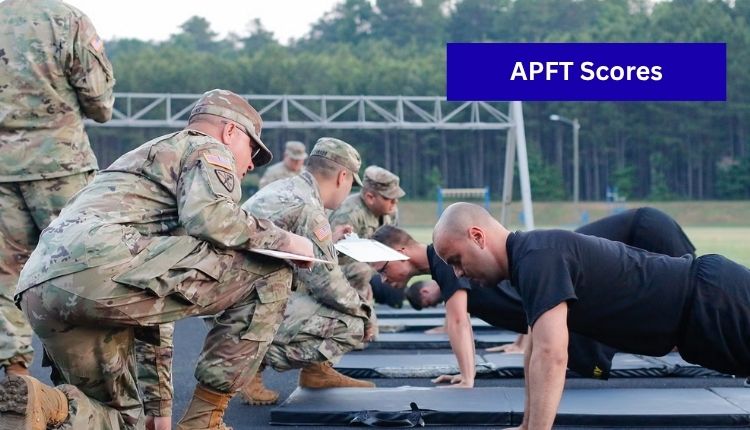
APFT Scores
Understanding how these scores are calculated, what standards apply, and how to improve performance can significantly impact a soldier’s career progression. The Army Physical Fitness Test assesses endurance, strength, and overall physical fitness through push-ups, sit-ups, and a two-mile run.
Each component is evaluated individually and combined into an overall score that determines pass or fail status. This guide provides a complete breakdown of APFT scores assessment criteria, updated standards, and practical strategies for improving your results. Whether you’re preparing for your first test or trying to get a higher score, mastering the APFT scoring system is essential. Learn how to train effectively, avoid common mistakes, and maximise your potential with this comprehensive APFT score SEO resource.
Understanding APFT Scores
APFT scores are designed to measure a soldier’s physical fitness through three basic exercises: push-ups, sit-ups, and the two-mile run. Each event assesses a different aspect of fitness, including muscular endurance and cardiovascular capacity. The scoring system is based on age and gender and ensures fairness across different groups.
Each event is scored from 0 to 100 points, with a maximum total score of 300. To pass the APFT, a Soldier must score at least 60 points in each event. Failure of even one event results in a total failure regardless of total points.
The importance of APFT goes beyond just passing. A high score can contribute to promotions, leadership opportunities, and overall career advancement. Soldiers who consistently perform well demonstrate discipline, determination, and readiness.
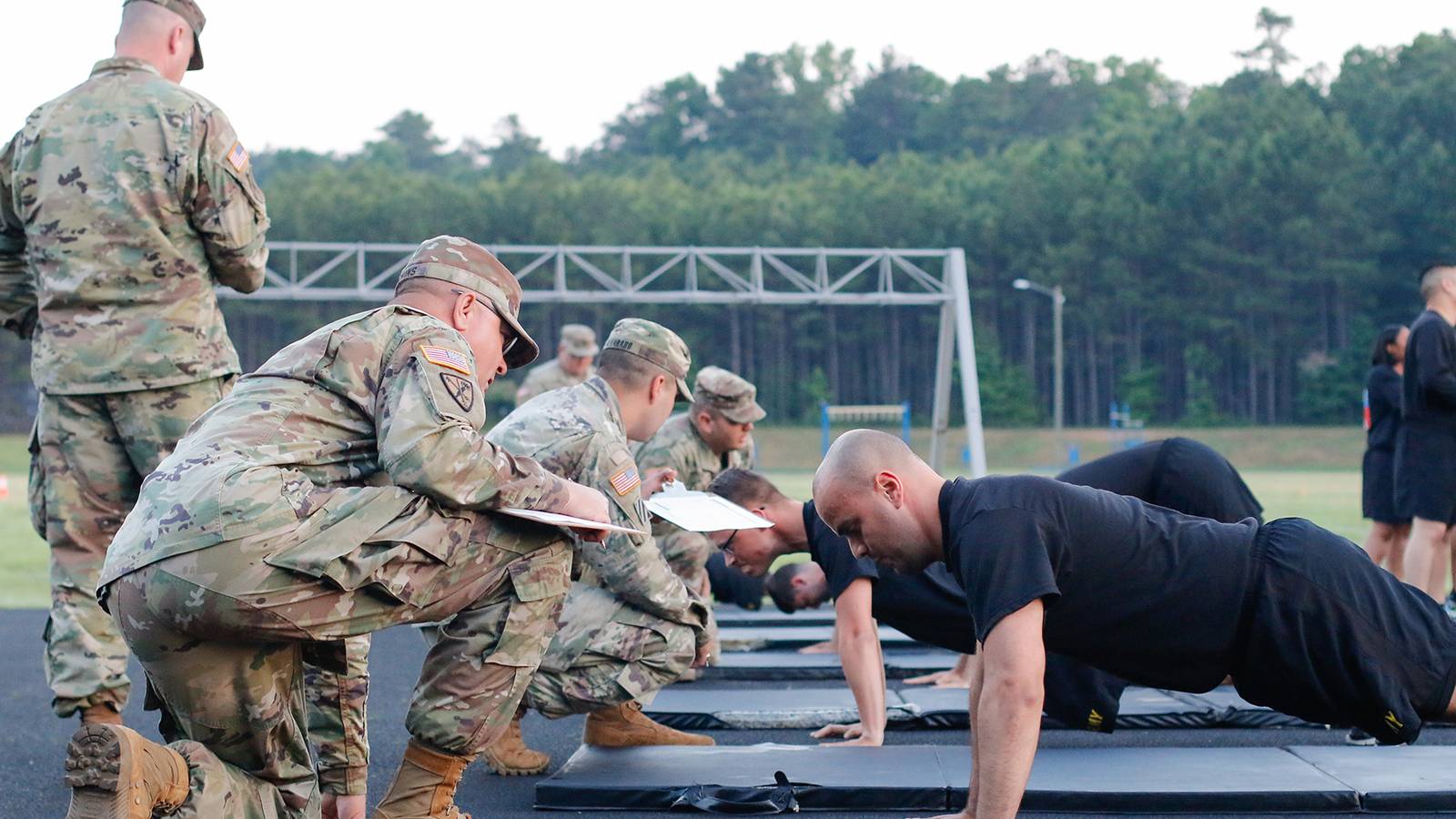
Understanding how the APFT works is the first step to improving. By knowing what is expected, individuals can adjust their training routines to meet and exceed the standards.
APFT Scoring System Breakdown
The APFT scores system is simple but requires attention to detail. Each of the three events has its own scoring table based on reps or time.
Push-ups and sit-ups are counted within two minutes. The number of correct repetitions determines the score. Correct form is essential, as incorrect repetitions do not count.
A two-mile run measures cardiovascular endurance. The faster the completion time, the higher the score. The timing is precise, and even a few seconds can make a big difference in the final score.
Key points:
- Maximum score per event: 100
- Minimum score to pass the tournament: 60
- Total maximum points: 300
- Failure in one event = total failure
Understanding these scoring details helps soldiers focus on improving weak areas. A balanced performance in all disciplines is necessary to achieve a high overall score.
APFT Standards by Age and Gender
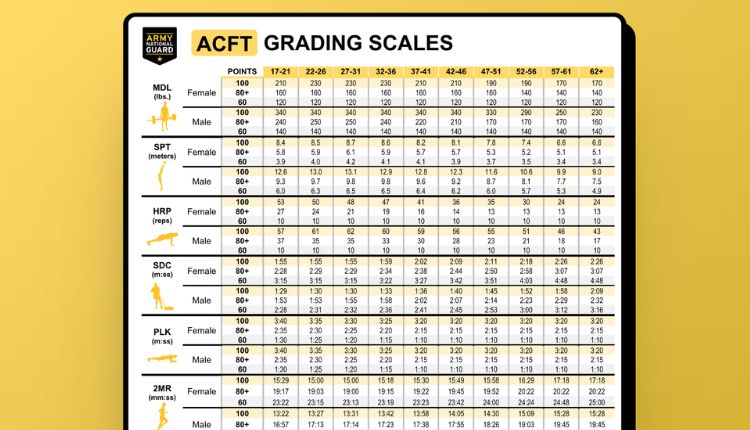
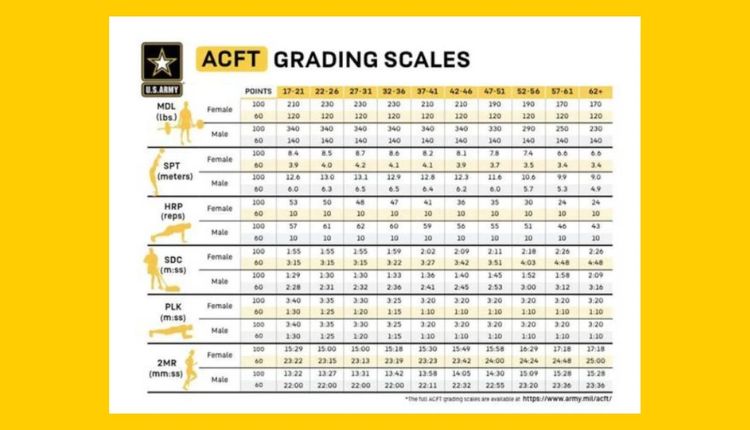
The information APFT scores standards vary by age and gender to ensure fairness and realistic expectations. Younger soldiers are typically required to perform more repetitions and complete the run faster compared to older groups.
For example, a 20-year-old man may need significantly more push-ups to get 100 compared to someone in their 40s. Similarly, run times vary across age groups.
These standards are regularly updated, so it is important to be informed. Soldiers should always follow the latest official charts when preparing.
Important Considerations:
- Age groups are divided into categories (17–21, 22–26, etc.)
- Norms are different for men and women
- Results must meet the minimum requirements in each category
Knowing your specific standard will allow you to set realistic goals and accurately measure progress. It also helps in designing an individual training plan.
Importance of High APFT Scores
Achieving a high APFT score can significantly impact a soldier’s career. Beyond passing, good scoring demonstrates excellence and commitment to physical fitness.
High scores are often considered during promotions and evaluations. Commanders view strong physical performance as a sign of discipline and readiness for leadership roles.
Additionally, high APFT scores can open doors to specialised training programmes and elite units. Soldiers with the highest scores are often selected for advanced opportunities.
Benefits include:
- Better prospects for promotion
- Increased recognition
- Eligibility for special programs
- Boosted self-confidence and morale
In short, APFT scores aren’t just numbers—they reflect a soldier’s dedication and ability. Striving for excellence can lead to long-term career benefits.
Training Tips to Improve APFT Scores
Improving your APFT score requires consistent training and a structured approach. Focusing on all three components ensures a balanced development.
Strength training is essential for push-ups and sit-ups. Basic exercises like planks and crunch variations can significantly increase performance. Practising proper form and endurance sets is key to push-ups.
Cardiovascular training is essential for running two miles. Incorporating interval training, long-distance runs, and sprint training can improve speed and endurance.
Effective strategies:
- Train at least 4-5 times a week
- Combine strength and cardio exercises
- Monitor progress regularly
- Focus on weak points
Consistency is the most important factor. Gradual improvement over time leads to better scores and reduced risk of injury.
Common Mistakes to Avoid
Many soldiers struggle with APFT scores due to avoidable mistakes. Understanding these pitfalls can help improve performance quickly.
One common mistake is neglecting proper form. Incorrect push-ups or sit-ups may not count, reducing the score. Another problem is poor stimulation during running, which leads to premature fatigue.
Lack of preparation is also an important factor. Some individuals train inconsistently or focus on only one event, resulting in uneven performance.
Errors to watch for:
- Ignoring proper technique
- Overtraining without rest
- Poor time management while running
- Skipping warm-up and stretching
Avoiding these mistakes can make a significant difference in your final score. Training smart is just as important as training hard.
Nutrition and Recovery for Better Scores
Nutrition plays a vital role in improving APFT scores. A balanced diet provides the energy needed for intensive training and recovery.
Protein is essential for muscle recovery and growth, while carbohydrates fuel training. Hydration is equally important, as dehydration can reduce performance.
Recovery is often overlooked but is essential to improvement. Adequate days of sleep and rest allow the body to recover and strengthen.
Key tips:
- Eat a balanced diet with protein, carbohydrates, and healthy fats
- Stay hydrated throughout the day
- Get 7-8 hours of sleep
- Include rest days in your routine
Proper nutrition and recovery increase performance and reduce the risk of injury, leading to better APFT scores over time.
Preparing for Test Day
Preparing for test day is just as important as training. A well-planned approach can boost confidence and performance.
Start by getting enough rest the night before. Avoid heavy meals or vigorous exercise close to the time of the test. Come early to warm up properly.
Mental preparation is also important. Staying calm and focused can improve performance in all three disciplines.
Test Day Checklist:
- Wear comfortable exercise equipment
- Hydrate, but avoid drinking excessively
- Heat thoroughly
- Keep a steady pace
Being prepared will ensure that all your hard work translates into strong APFT scores. Confidence and preparation can make a noticeable difference.
Conclusion
The APFT scores is a basic measure of physical fitness and readiness. Understanding the scoring system, standards, and training methods is critical to success. By focusing on balanced training, proper nutrition, and consistent effort, anyone can improve their performance.
Avoiding common mistakes and preparing effectively for test day further improves results. A high APFT score not only helps you pass the test but also contributes to career growth and personal success. With dedication and the right attitude, achieving the highest scores is within reach.
FAQs
What is the minimum APFT score to pass?
The minimum number of points to pass is 60 points in each discipline, with a total requirement of at least 180.
How is the APFT scored?
Each event is scored out of 100 based on performance and the total score is the sum of all three events.
How often should I practise for the APFT?
It is recommended to exercise 4-5 times a week with a combination of strength and cardio exercises.
Can I fail one event and still pass overall?
No, failure of even one event causes the entire test to fail.
How can I improve the running time?
Include interval training, endurance runs, and consistent workouts to improve speed and endurance.