Air Force PT Score Calculator
Designed to measure key components such as push-ups, sit-ups, and run times, this calculator helps individuals understand their overall fitness score based on official Air Force standards. Whether you’re preparing for your next physical training (PT) test or simply tracking your progress, using a reliable PT score calculator can provide valuable information about your readiness.
This comprehensive visit more guide explores how the scoring system works, the importance of each fitness component, and tips for improving your performance. By understanding how scores are calculated and what standards you need to meet, you can create a more effective training plan. Stay informed, motivated, and prepared with this in-depth look at the Air Force PT Score Calculator and how it can support your fitness journey.
What Is the Air Force PT Score Calculator
The Air Force PT Score Calculator is a digital or manual tool used to estimate a service member’s physical fitness score. It rates performance based on three main components: push-ups, sit-ups and timed runs. Each section contributes a certain number of points to the final score that determines whether an individual passes or fails.
This calculator is widely used by Air Force personnel Air Force PT Score Calculator to prepare for official evaluations. Instead of waiting for test day results, individuals can enter their current performance and immediately see their estimated score. This helps to identify strengths and weaknesses early.
The scoring system is based on age and gender and ensures fairness across different groups. For example, younger participants may need to perform more repetitions or complete a faster run to achieve the same score as older individuals.
Regular use of the calculator allows users to track progress over time. It also motivates them to improve specific areas, which is a valuable part of any training routine.
How the Scoring System Works
The Air Force PT Score Calculator system is designed to measure overall physical fitness through a balanced assessment. Each component—push-ups, sit-ups, and a 1.5-mile run—has a maximum point value that contributes to a total score of 100.
Push-ups and sit-ups usually make up the combined portion of the score, while running often carries the most weight. This highlights cardiovascular endurance as a critical factor in fitness.
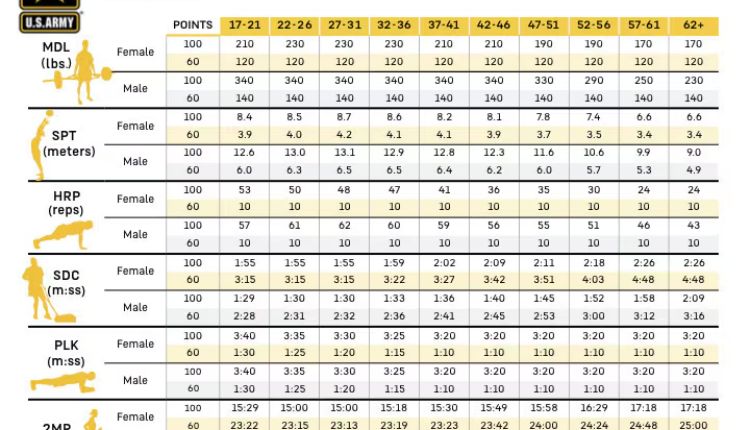
The calculator works by comparing your performance against standardised charts. For example, completing a certain number of push-ups in one minute earns a certain number of points. The same goes for sit-ups and running time.
The scores are then added up to produce a final score. A score above the required threshold indicates success, while a lower score may require retesting or additional training.
Understanding how each section is weighted helps individuals prioritise their workouts. For example, improvements in running time can significantly increase overall scores compared to small gains in strength training.
Key Components of the Air Force PT Score Calculator
The Air Force PT Score Calculator focuses on three basic exercises that reflect overall physical fitness. Each component plays a unique role in evaluating strength, endurance and cardiovascular health.
Push-ups measure upper body strength and endurance. Participants must complete as many correct repetitions as possible within the allotted time. Proper form is essential to ensure reps count.
Sit-ups assess core strength and endurance. Like push-ups, they are timed and require consistent form to score maximum points. Strong core muscles are vital to overall physical performance.
A 1.5-mile run assesses cardiovascular endurance. This is often considered the most challenging part of the test, as it requires both endurance and pacing strategy.
Together, these components provide a comprehensive picture of fitness. The PT score calculator combines the results from all three to determine readiness.
Regular practice in each area is essential. Ignoring one component can negatively affect the overall score, even if performance in other areas is strong.
Benefits of Using a PT Score Calculator
Using the Air Force PT Score Calculator offers several advantages for both beginners and experienced personnel. It serves as a planning and evaluation tool that increases the effectiveness of training.
One of the main advantages is the immediate feedback. Instead of guessing your performance level, you get a clear numerical score that reflects your current fitness level.

Another advantage is setting goals. When you know your score, you can set realistic goals for improvement. This makes training more structured and purposeful.
The calculator also helps reduce anxiety before official tests. Once you know your approximate score, you can approach test day with confidence.
Other benefits include:
- Tracking progress over time
- Quickly identify weak points
- Improving training focus
- Enhancing motivation
- Support for consistent performance improvement
Overall, the calculator is a handy tool that simplifies the preparation process and helps individuals stay on track.
Tips to Improve Your Air Force PT Score Calculator
Improving your Air Force PT Score Calculator requires a combination of smart training, consistency, and proper recovery. Each test component requires specific preparation strategies.
For push-ups, focus on building upper-body strength through regular exercise and strengthening exercises. Consistency is the key to increasing reps.
Sit-ups can be improved by strengthening the core. Exercises like planks and leg lifts can help increase endurance and performance.
Running requires cardiovascular training. Air Force PT Score Calculator Incorporating interval training and long-distance runs into your routine can greatly improve your speed and endurance.
Other tips include:
- Maintain a balanced diet for energy and recovery
- Stay hydrated during your workout
- Get enough rest to avoid burnout
- Practice proper form to maximize your score
- Set weekly fitness goals
By following these strategies, you can steadily increase your PT score and achieve better results over time.
Common Mistakes to Avoid
Many individuals make mistakes during Air Force PT Score Calculator preparation that can negatively affect their scores. Being aware of these mistakes can help you avoid setbacks.
One common mistake is neglecting one component of the test. Focusing only on strength or endurance can lead to unbalanced scores.
Another problem is inappropriate form. Incorrect push-ups or sit-ups may not count, reducing your total points.
Overtraining is also a problem. Pushing too hard without enough rest can lead to injury and reduced performance.
Other errors include:
- Ignoring warm-up and cool-down procedures
- Does not monitor progress regularly
- Underestimating the importance of stimulation in running
- Skipping practice tests
Avoiding these mistakes ensures more efficient preparation and better overall performance.
How to Use the Calculator Effectively
To get the most out of the Air Force PT Score Calculator, it is important to use it correctly and consistently. Start by accurately measuring performance in each component.
Enter the number of push-ups, sit-ups and runs into the calculator. Make sure the data is accurate to get a reliable score.
Use the results to identify areas that need improvement. For example, if your running score is low, prioritise cardiovascular training.
Repeat this process regularly to monitor progress. Weekly or bi-weekly updates can help you stay motivated and focused.
Tips for effective use include:
- Record your score in a fitness journal
- Compare results over time
- Adjust training plans based on results
- Use the calculator before and after training cycles
This approach turns the calculator into a powerful tool for continuous improvement.
Understanding Score Requirements
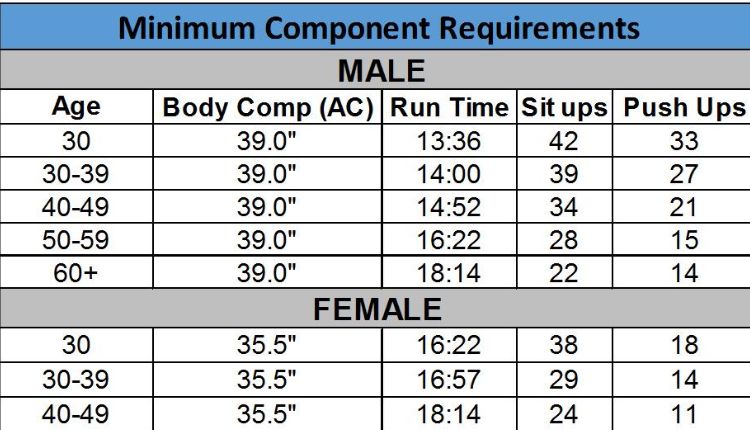
The Air Force PT Score Calculator exam has specific score requirements that determine the level of pass and excellence. These norms vary by age and gender.
A minimum score is usually required to pass, while higher scores may qualify for credit or exemptions from frequent testing. Understanding these thresholds is essential to planning your training.
Scores are categorised as unsatisfactory, satisfactory, and excellent. Each category reflects a different level of fitness.
Knowing where you stand will help you set realistic goals. For example, going from satisfactory to excellent requires focused effort and consistent training.
It is also important that you are informed of any changes in grading standards. The Air Force occasionally updates the requirements to reflect current fitness expectations.
By understanding these requirements, you can better prepare and aim for higher performance levels.
Conclusion
The Air Force PT Score Calculator is more than just a scoring tool—it’s a complete fitness companion that helps individuals prepare, evaluate, and improve their physical performance. By understanding how the scoring system works and focusing on each component of the test, you can create a well-balanced training plan that leads to success.
Consistent use of the calculator provides valuable information about your progress and highlights areas that need attention. Combined with proper training, nutrition, and rest, it can greatly improve your PT test preparation.
Whether you’re aiming for a pass or an excellent score, the key lies in preparation and persistence. Use the calculator as a guide, stay committed to your goals, and constantly strive to improve.
FAQs
What is a good Air Force PT score?
A good score usually falls into the “excellent” category, indicating a high level of fitness and strong performance in all components.
How often should I use the PT score calculator?
It is recommended to use it weekly or Air Force PT Score Calculator bi-weekly so that you can monitor your progress and adjust your training plan accordingly.
Can I pass if I perform poorly in one section?
It depends on your overall score, but performing poorly in one component can significantly affect your final score.
Is running the most important part of the test?
Yes, running usually has the highest weight, making it a crucial factor in achieving a high score.
Do age and gender affect scores?
Yes, grading standards are adjusted based on age and gender to ensure fairness.
Can beginners use the PT score calculator?
Absolutely. It is a useful tool for beginners to understand fitness requirements and set realistic goals.