Can You Read the ACFT Promotion Points Chart Correctly?
Military promotion depends on several factors, including leadership ability, experience, education, and physical fitness. For many soldiers, the ACFT promotion points chart plays an important role in determining their promotion potential. The ACFT measures physical strength, endurance, and overall combat readiness through several events designed to reflect real-world demands.
The ACFT Promotion Chart provides Soldiers with a way to understand how their test scores contribute to promotion. Instead of viewing the ACFT as just a fitness requirement, many Soldiers see it as an opportunity to increase their competitive standing.
Knowing how the score is calculated can make your preparation easier. Soldiers who understand which events affect their points can more effectively focus their training efforts. This article explains the ACFT promotion point system, the importance of each section, and how Soldiers can use the chart as part of their career planning.
The Purpose Behind the ACFT Promotion Points Chart
The ACFT promotion points chart was created to help Soldiers relate their physical performance to career progression. The military uses fitness standards to ensure soldiers maintain the strength and endurance needed for demanding missions. Because physical fitness is an important component of military effectiveness, ACFT results are included in the overall promotion evaluation process, Visit more.
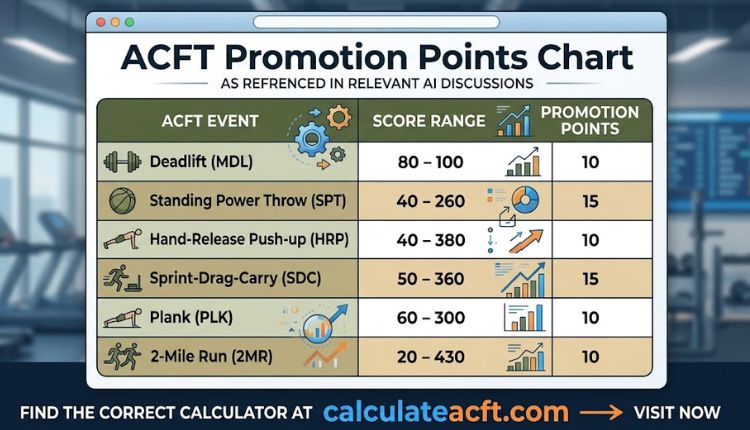
The chart allows Soldiers to compare their ACFT scores to potential promotion points. It provides a clear overview of how each event contributes to the final score. Soldiers can identify areas where improvement can increase their total points and boost their promotion.
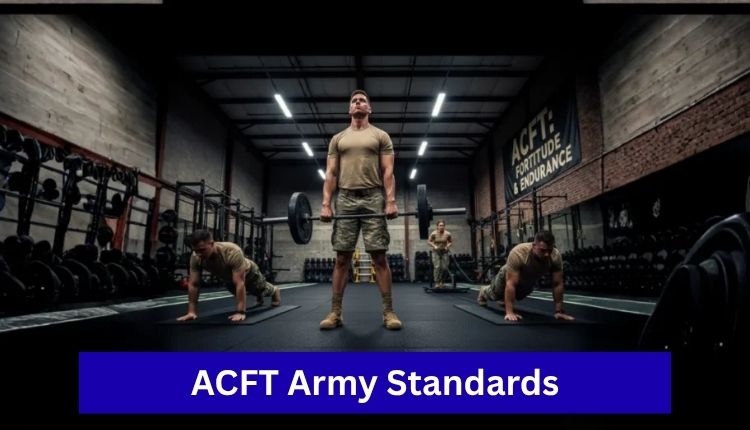
The ACFT includes several events that test different physical abilities. Each event measures a specific aspect of fitness such as strength, power, speed, and endurance. Balanced performance across all actions is generally more beneficial than focusing on just one area.
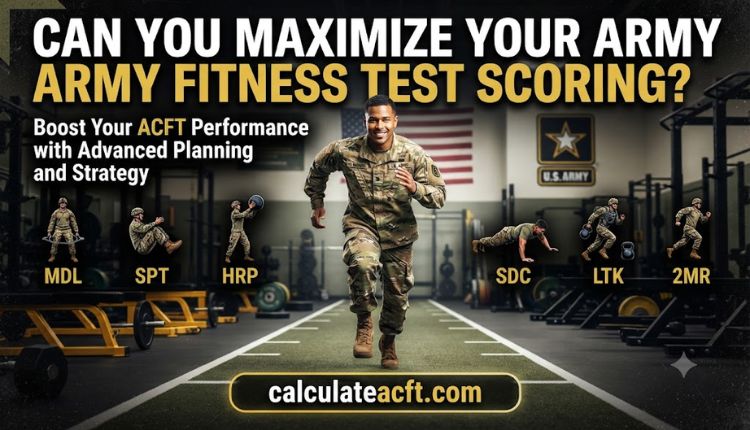
Major ACFT events include:
- Deadlift assessment for muscle strength
- Standing roll for explosive ability
- Hand release push-ups for upper body endurance
- Sprint-drag-carry for speed and agility
- Plank for core strength
- Two-mile run for cardiovascular endurance
Understanding the table helps soldiers avoid guessing about their scores. Instead, they can create realistic goals and prepare as required for their desired promotion path.
How ACFT Scores Influence Career Advancement
Physical fitness has always been associated with Army readiness, but the ACFT promotion points chart introduced a more detailed way of measuring a soldier’s performance. The test assesses multiple areas of fitness rather than relying on a single measurement. Soldiers thus have a wider opportunity to demonstrate their abilities.
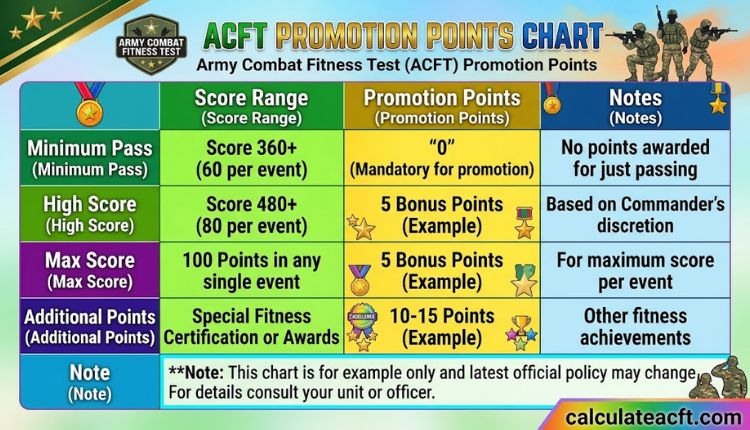
The link between ACFT scores and promotion points means that better performance can improve a soldier’s overall placement. When soldiers are competing for limited advancement options, small differences in points can be important.
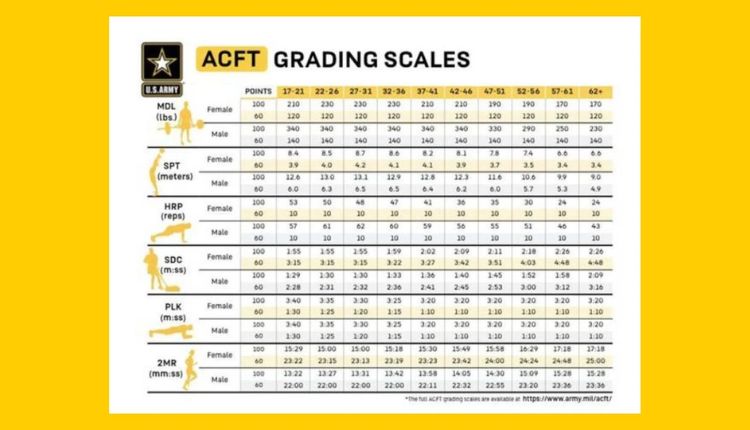
The acft promotion score chart helps explain how different scores affect promotion calculations. Soldiers can review their results and determine if additional training could make a meaningful difference.
A Soldier who performs well in all ACFT events may receive benefits compared to someone who only meets minimum standards. However, fitness is only one part of the promotion process. Other achievements, qualifications and professional development activities also contribute.
Consistent preparation rather than last-minute improvisation is usually the best approach. Building strength, improving running ability and regularly practicing testing events can lead to better results.
ACFT also encourages soldiers to maintain long-term fitness habits. Instead of preparing only before testing periods, Soldiers are encouraged to view physical readiness as an ongoing responsibility.
Breaking Down the Main Sections of the ACFT Scoring System
The ACFT promotion points chart system is designed to evaluate the various physical abilities required for military tasks. Each event contributes to the overall outcome, and understanding each section can help soldiers improve their performance.
The deadlift measures lower body strength and the ability to safely lift heavy loads. Soldiers who improve technique and strength training can often increase their performance at this event.
A standing power roll evaluates explosive power. This event requires coordination, body control and the ability to generate power quickly. Training movements involving strength development can help improve results.
The hand release push-up focuses on upper body endurance. Proper form and consistent practice are important because the action requires controlled movement.
Sprint-drag-carry measures speed, agility, and whole-body fitness. It reflects the ability to move quickly when dealing with physical challenges.
The plank measures core stability. A strong core supports many military movements and can improve performance in other actions.
A two-mile run measures cardiovascular endurance. Running performance is often improved through consistent conditioning and stimulation strategies.
By understanding these areas, Soldiers can more effectively use the acft promotion point chart and recognize which events require additional attention.
Why Soldiers Should Track Their ACFT Progress Regularly
Monitoring ACFT promotion points chart is one of the best ways to improve future performance, to know more visit more. Many soldiers make the mistake of waiting until the time of the test to assess their fitness. Regular monitoring provides a clearer picture of strengths and weaknesses.
A training record can help soldiers identify patterns. For example, a soldier may find that strength events are improving, while endurance needs more attention. This information enables smarter training decisions.
Using the ACFT promotion points table during preparation can help create realistic goals. Instead of simply targeting a pass, soldiers can set specific point targets based on their promotion plans.
Tracking progress also improves motivation. Gradual improvement can encourage soldiers to continue working to higher standards.
Useful monitoring methods may include:
- Record of practice test results
- Checking for weak events
- Adjusting exercise routines
- Comparison of improvement over time
Consistency is usually more effective than extreme short-term preparation. Small improvements in multiple events can make a significant difference in the final score.
The ACFT is not only a test of physical fitness, but also a measure of discipline and preparation. Soldiers who track their progress are more likely to approach testing with confidence.
Training Strategies for Improving ACFT Performance
Improving ACFT promotion points chart results requires a balanced approach. Because the test measures several fitness areas, training should include strength, endurance, speed, and mobility.
Strength training can help improve events involving lifting and power. Exercises that build overall body strength can support better performance. However, proper technique is essential to reduce the risk of poor movement patterns.
Cardiovascular training supports the running portion of the test. Soldiers can improve endurance through consistent running, conditioning workouts, and proper recovery.
Agility training can help with events requiring quick movement and coordination. The sprint-drag-carry especially benefits from practice because familiarity with the movement pattern can improve efficiency.
Recovery is another important part of training. Rest, nutrition, and sleep support improved performance. Training too aggressively without recovery can negatively impact progress.
A balanced preparation plan can focus on:
- Strength development
- Running improvement
- Event-specific practice
- Recovery habits
The goal is not only to achieve a higher ACFT score, but also to build sustainable physical fitness. Soldiers who combine smart training with knowledge of the ACFT promotion point table can more effectively prepare for future opportunities.
Common Mistakes Soldiers Make When Using ACFT Promotion Information
Many soldiers misunderstand how promotion points work because they only focus on one part of the system. ACFT is important but not the only factor considered in promotion decisions.
One common mistake is to ignore weaker events. Some soldiers focus heavily on their strongest abilities while avoiding areas that need improvement. A balanced approach usually yields better results.
Another mistake is preparing only shortly before testing. Improving fitness often takes time and consistent effort. Waiting until the last minute can limit progress.
Some soldiers also do not understand how their scores relate to promotion. The ACFT promotion points chart should be considered a planning resource rather than just a point of reference.
Other errors include:
- You don’t practice test movements regularly
- Ignoring recovery
- Unable to track improvement
- Assume that passing is the same as maximizing points
Learning from these mistakes can help Soldiers approach ACFT preparation more effectively. A clear understanding of the system enables better planning and reduces uncertainty.
Using the ACFT Promotion Points Chart for Future Goals
The ACFT promotion points chart can be a valuable planning tool for Soldiers looking to improve their military career options. It provides a link between physical performance and professional goals.
Rather than viewing ACFT as a single event, Soldiers can view it as part of a larger development plan. Improving fitness can promote confidence, preparedness and overall career growth.
Soldiers should review their current performance and decide which areas require improvement. Setting realistic goals helps create a targeted training approach.
The table also encourages soldiers to understand the value of each improvement. A small increase in performance can contribute to a better overall standing.
Long-term success often stems from a combination of physical training and professional development. Education, experience, leadership, and fitness all work together in a soldier’s career path.
By judicious use of the chart, soldiers can make informed decisions and prepare for future advancement opportunities.
The Bottom Lines
The ACFT promotion points chart is an important resource for soldiers who want to understand how physical fitness performance relates to promotion opportunities. The ACFT measures multiple areas of readiness, and each event provides a chance to improve overall results.
Understanding the scoring system helps soldiers prepare more effectively. Instead of approaching the test without a plan, Soldiers can identify strengths, improve weaknesses, and set achievable goals.
Physical fitness requires consistent effort, proper training, and long-term commitment. The ACFT is more than just a fitness assessment; it represents preparation, discipline, and the ability to face military challenges.
By studying the chart and focusing on balanced improvement, Soldiers can increase their confidence and better position themselves for future career opportunities.
FAQs
What is the purpose of the ACFT Promotion Points Chart?
The chart helps Soldiers understand how ACFT performance affects promotion points and allows them to plan for improvement.
Does a higher ACFT score always guarantee a promotion?
No. Promotion decisions take into account multiple factors, and ACFT results are only one part of the overall assessment.
How can soldiers improve their ACFT points?
Soldiers can improve by consistently training, practicing testing events, and focusing on weaker fitness.
Why is ACFT important to soldiers?
The ACFT measures physical fitness and helps ensure Soldiers maintain the fitness required for military duty.
Should soldiers check the chart before the test?
Yes. Viewing the chart can help Soldiers understand score expectations and create realistic performance goals.