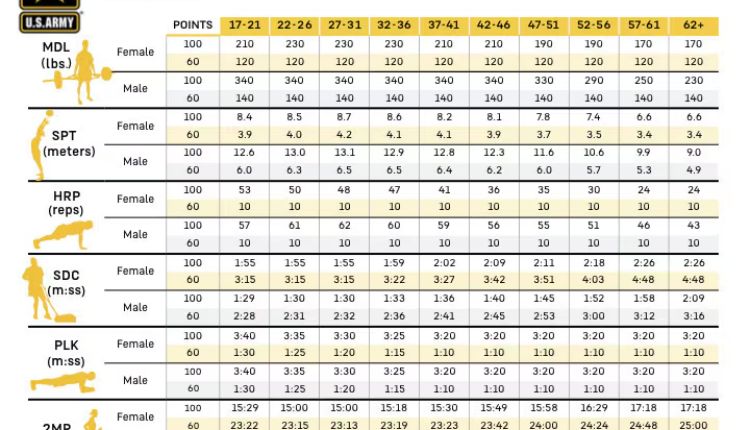
Sprint Drag Carry Distance
It assesses strength, speed, agility, and endurance through a series of high-intensity movements performed over a certain distance. Understanding Sprint drag carry distance is critical to improving performance, meeting fitness standards, and preventing injury. This guide explains the official distance, movement breakdowns, techniques, and training strategies to help you excel.
Whether you’re preparing for a fitness test or aiming to improve your athletic ability, mastering the sprint pull can greatly improve your overall fitness. Learn how to optimise your performance with proper form, targeted workouts, and practical tips for both beginners and advanced exercisers.
What is the Sprint Drag Carry Distance
‘Sprint drag carry distance‘ refers to a standardized fitness exercise commonly used in structured physical assessments. It combines multiple movements into one continuous sequence performed at a fixed distance, typically 25 metres per segment, repeated back and forth. The total working distance is approximately 250 metres.
The exercise includes sprinting, weight pulling, lateral movement, carrying loads, and sprinting again. Each segment tests a different physical ability, making it a full-body performance challenge.
This exercise is particularly popular in military-style fitness tests because it simulates actual physical demands. It requires quick transitions between movements, coordination, and sustained energy expenditure. Sprint transfer distance is not only about speed but also about efficiency and power.
Understanding the distance structure helps participants move better. Many beginners fail because they go too fast in the beginning and lose stamina in the later segments.
Passing this test requires an awareness of how each part contributes to the total distance. The goal is to maintain consistency throughout, rather than just focusing on speed.
Standard Sprint Drag Carry Distance Breakdown
A standard Sprint drag carry distance of five different stages, each covering 25 metres down and back. This creates a total of 50 metres per stage, resulting in approximately 250 metres in total.
Each phase is designed to target specific muscle groups and fitness components. Sequences are usually followed in a structured order to maximize physical challenge.
Here is the breakdown:
- Sprint: Run 25 meters and back
- Pull: Pull a loaded sled the same distance
- Side: Perform a side shuffle down and back
- Carry: Carry weights (like kettlebells) a certain distance
- Sprint: Finish with another sprint
Each segment must be completed continuously without rest. The total time is recorded as the final score.
The distance remains the same for all participants, ensuring fairness and comparability. However, the weight used for pulling and carrying may vary depending on gender or fitness standards.
Knowing this breakdown allows you to train each component individually before combining them into a complete sequence. This approach improves overall performance and reduces fatigue during the actual test.
Why Sprint Carry Distance Matters?
Sprint drag carry distance is important because it measures multiple fitness attributes in a single test. Unlike traditional workouts that focus on one area, this exercise combines strength, speed, endurance and agility.
This makes it a highly effective way of assessing overall physical fitness. It is especially useful in professions where physical performance is critical.
The test challenges the body in different ways:
- Sprinting tests cardiovascular endurance
- Pulling develops lower-body strength
- Carrying increases grip and upper body strength
- Lateral movement improves agility
Because of this variety, the sprint carrying distance is considered a functional test of fitness. It reflects real physical demands rather than isolated exercises in the gym.
Another key benefit is that it increases mental toughness. Completing the entire distance without stopping takes determination and focus. For many people, the mental challenge is just as difficult as the physical one.
Improving your performance on this test can lead to better overall fitness, increased strength, and improved athletic ability. It’s not just about passing the test; it’s about becoming physically fitter.
Techniques to Improve Sprint Carry Distance
Improving Sprint drag carry distance performance requires mastering the correct techniques for each movement. Small adjustments to shape can make a big difference to your speed and efficiency.
When sprinting, focus on maintaining an even pace rather than going all out at the start. Keep your posture upright and control your steps.
Use your legs more than your arms when pulling the weight. Lean in slightly and take short, powerful steps. Avoid jerky movements that waste energy.
Stay low and keep your core engaged during the lateral movement. Quick, controlled strides are more effective than long strides.
In the carrying phase, hold the weight firmly and keep your shoulders stable. Avoid swinging weights, as this can slow you down and increase fatigue.
Important tips to follow:
- Practice transitions between movements
- Keep your breathing consistent
- Use suitable footwear for grip
- Focus on efficiency over speed
Consistency is key. Practising each segment separately and combining them will help you achieve better performance over all distances.
Training Plan for Sprint Drag Carry Distance
Training for Sprint drag carry distance requires a balanced approach that includes strength, cardio and agility training. A structured plan can help you build the endurance and strength you need.
Start with strength training to improve your ability to pull and carry weights. Exercises like squats, lunges and deadlifts are highly effective.
Cardio exercise is essential to improve endurance. Running intervals and high-intensity workouts can simulate the demands of the test.
Agility drill helps with lateral movement and quick transitions. Cone drills and side flips are useful additions to your routine.
A basic weekly schedule may include:
- Strength training 3 times a week
- Sprint intervals 2-3 times a week
- Agility practices twice a week
- Full sprint training once a week
Rest and regeneration are equally important. Overtraining can reduce performance and increase the risk of injury.
By following a consistent training plan, you can gradually improve your speed, strength and endurance. This will help you complete the sprint transfer distance more efficiently.
Common Mistakes to Avoid
Many people struggle with Sprint drag carry distance due to common mistakes that reduce efficiency and increase fatigue. Identifying these mistakes can help you improve quickly.
One major mistake is starting too fast. This leads to early exhaustion and slower performance in later phases. Pacing is crucial for maintaining energy throughout the test.
Another common issue is poor technique during the drag phase. Using too much upper-body strength instead of legs can cause unnecessary fatigue.
Improper transitions between segments can also waste valuable time. Smooth and quick transitions are essential for a good score.
Other errors include:
- Improper holding of weights while carrying
- Steps too long when moving sideways
- Ignoring breathing patterns
- Skipping exercises for specific segments
Avoiding these mistakes requires practice and attention to detail. Recording your performance and analyzing it can help identify areas for improvement.
By correcting these mistakes, you can significantly improve your overall performance and complete the distance more efficiently.
Benefits of Mastering Sprint Drag Carry Distance
Mastering the transfer Sprint drag carry distance offers numerous physical and mental benefits. It improves overall fitness and prepares you for demanding physical tasks.
Physically, it increases strength, endurance, and agility. The combination of movements ensures the involvement of multiple muscle groups, which leads to balanced development.
It also boosts cardiovascular health. Continuous movement keeps your heart rate up and improves endurance over time.
The psychological benefits are just as important. Completing the full distance builds resilience and confidence. It teaches you to overcome fatigue and stay focused.
Other benefits include:
- Improved coordination
- Better balance and stability
- Increased functional strength
- Increased sports performance
These benefits go beyond the test itself. They can improve your performance in sports, daily activities and other physical challenges.
Mastering this drill is not just about passing the fitness test; it’s about achieving a higher level of overall fitness and ability.
How to Track Progress Effectively
Tracking your progress is essential to improving your Sprint drag carry distance performance. It will help you identify your strengths and weaknesses and adjust your training accordingly.
Start by recording the total time for the entire distance. This is the most important metric for measuring improvement.
Break your performance down into segments to see where you’re wasting time. This allows you to focus on specific areas that need improvement.
With the training diary, you can track the following:
- Total completion time
- Time for each segment
- Weight used for towing and carrying
- Number of exercises
Regular testing is important. Try to do a full sprint drag carry once every one or two weeks to monitor progress.
Video analysis can also be useful. Tracking your movements can reveal technical issues that aren’t obvious during exercise.
Consistency in tracking ensures constant improvement. Over time, you’ll see measurable gains in speed, strength, and endurance.
More Words
The transfer Sprint drag carry distance is a powerful test of fitness that challenges various aspects of physical performance. From strength and endurance to agility and mental toughness, it provides a comprehensive measure of overall fitness. Understanding the structure, mastering the techniques, and following a proper training plan are essential for success.
By avoiding common mistakes and consistently monitoring your progress, you can significantly improve your performance. Whether you’re preparing for a test or trying to improve your fitness, focusing on sprint carrying distance can yield impressive results.
FAQs
What is the total carrying distance of the sprint?
The total distance is usually around 250 metres, with each stage covering 50 metres (25 metres down and back).
How can I improve my sprint transfer time?
Focus on strength training, sprint intervals, and practising each segment. It also helps improve technique and pace.
What muscles are used when carrying a sprint?
It targets the legs, core, shoulders and arms, making it a total body workout.
How often should I practise wearing a splint?
It is recommended to work out 3-5 times a week with a mixture of strength, cardio and agility exercises.
Is a sprint drag carry suitable for beginners?
Yes, beginners can start with lighter weights and shorter distances, gradually increasing the intensity over time.