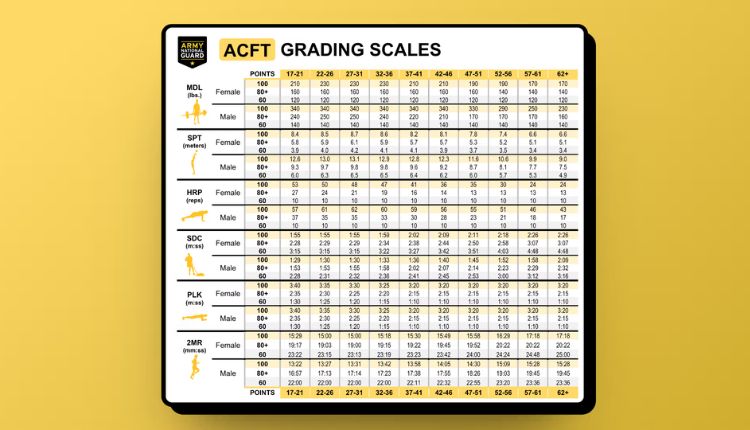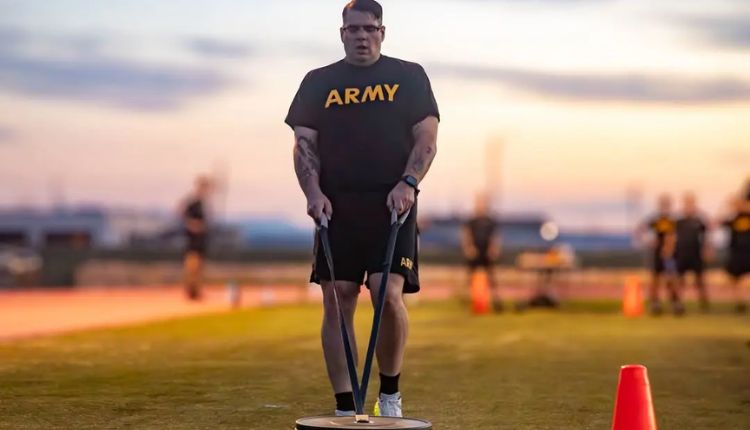
Old Army PT Test Score Chart
This comprehensive guide explains the scoring system used in the Old Army PT Test Score Chart, including push-ups, sit-ups, and the 2-mile run. It helps readers understand age group standards, minimum passing scores, and maximum achievable results. In this article, you’ll learn how the old scorecard worked, why it was important to military readiness, and how performance varied based on age and gender categories.
We also break down detailed score ranges, provide structured explanations in easy chunks, and highlight key bullet points for clarity. Whether you’re studying the history of military fitness or preparing for related exams, this guide offers a complete 2,000-word breakdown of the old Army PT test scoring system.
Introduction to Old Army PT Test Score Chart
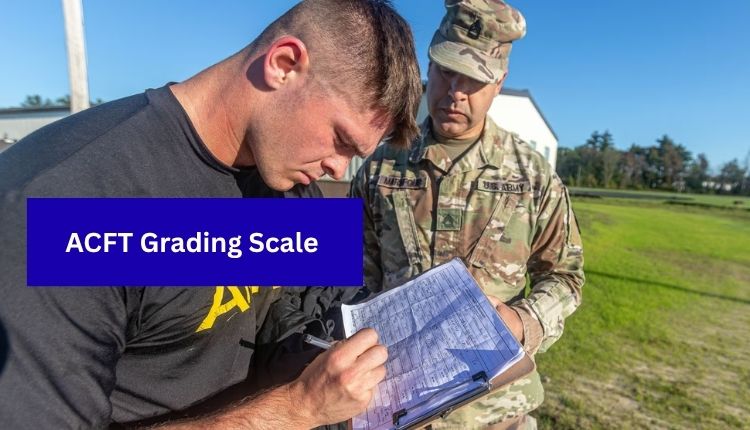
The Old Army PT Test Score Chart was used to measure a soldier’s physical fitness on the Army Physical Fitness Test (APFT). It was the official system before ACFT replaced it in recent years. The APFT focused on three main events: push-ups, sit-ups, and a 2-mile run. Each event was scored based on performance, and soldiers had to meet minimum requirements to pass.
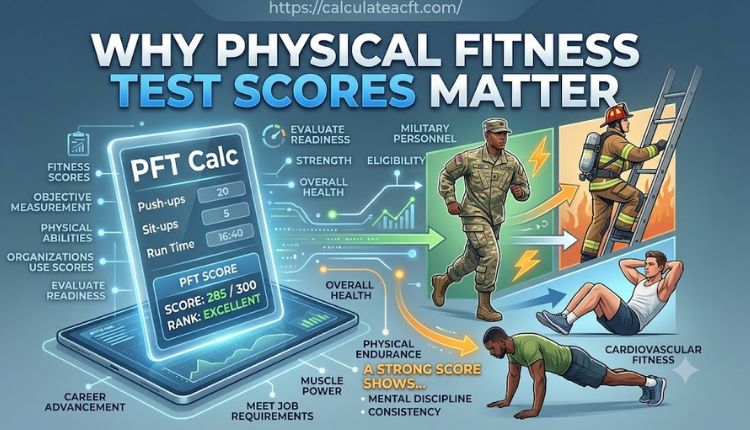
The test ensured that each soldier Old Army PT Test Score Chart maintained a basic level of physical fitness for combat duties. Scores were adjusted based on age and gender, making the system more flexible for different groups. The chart helped commanders evaluate strength, endurance and cardiovascular fitness. Understanding this system is important for those studying military standards or comparing old and new fitness ratings in the US military.
Structure of the Army Physical Fitness Test
The structure of the Old Army PT Test Score Chart was simple but highly effective in measuring basic levels of fitness. Soldiers had to complete three disciplines in a fixed order: push-ups first, sit-ups second, and finally a 2-mile run.
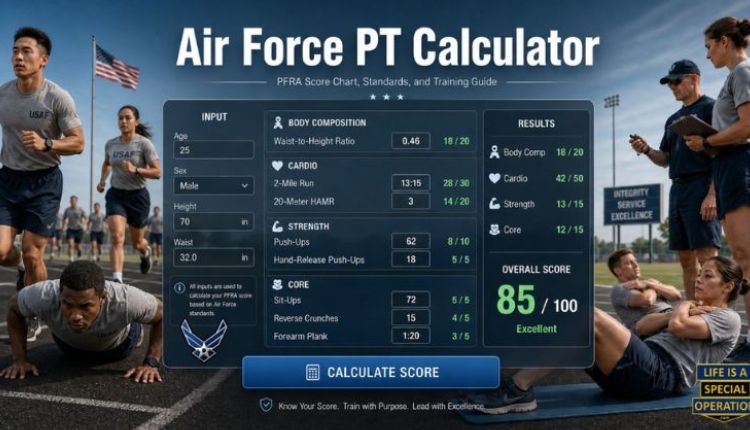
Each discipline had a maximum score of 100 points, making a total possible score of 300. A passing score is required, at least 60 points in each discipline. The test was usually performed twice a year, but some units required more frequent testing. Proper form and strict timing rules were followed to ensure fairness. This structure helped standardise fitness ratings throughout the military.
- 3 disciplines: push-ups, sit-ups, and a 2-mile run
- Maximum score: 300 points
- Minimum number of points: 180 points
- Each event minimum: 60 points
- Age and gender scoring system
Push-Up Scoring System Explained
Push-ups were the first event in the Old Army PT Test Score Chart and measured upper body strength and endurance. Soldiers performed as many correct push-ups as possible within 2 minutes. The scoring table awarded points based on the number of repetitions. Younger age groups required a higher number of repetitions for maximum scores, while older soldiers had slightly reduced standards. Correct form was critical; incorrect moves were not counted. Push-ups test the strength of the chest, shoulders, and triceps, which are essential for combat readiness.
The scoreboard rewarded consistency and stamina rather than speed alone. Soldiers trained regularly to improve endurance and maintain high scores. Push-ups often made the biggest difference in overall APFT performance, as small tweaks could greatly increase the final results.
Sit-Up Scoring System Overview
Sit-ups were the second event and focused on core strength and endurance. Soldiers had 2 minutes to complete as many sit-ups as possible. The Old Army PT Test Score Chart had to stay behind the head, and the elbows had to touch the knees for each repetition to count. Like push-ups, sit-up scores were divided by age and gender categories.
The sit-up test measured abdominal strength, which is important for lifting, carrying, and overall body stability. Soldiers who trained their core regularly achieved higher scores. Poor performance in sit-ups often indicates poor core conditioning, which could affect overall fitness.
- 2-minute time limit
- Correct form is required for a valid repetition
- It measures core strength
- Age-adjusted scoring table
- Important for APFT total score
2-Mile Run Scoring Breakdown
The 2-mile run was the final and most challenging part of the Old Army PT Test Score Chart. It measured cardiovascular endurance and mental endurance. Soldiers had to complete a run as quickly as possible, with points scored based on time of completion. Faster times led to higher scores. This event often determined whether a soldier achieved a high or average total APFT score.
Training for running included interval training, long-distance running, and endurance-building exercises. Environmental conditions such as heat and terrain also affected performance. The scoring table took age differences into account and ensured fairness among all soldiers.
The run was considered the most challenging, as it tested both physical and mental endurance under pressure.
Age and Gender Adjustments in Score Chart
The Old Army PT test score chart included different standards for different age groups and genders. Younger soldiers were expected to perform more repetitions or run faster compared to older personnel. Similarly, soldiers had separate scoring tables to ensure fair evaluation.
These modifications recognised natural Old Army PT Test Score Chart differences in physical performance while maintaining strict fitness standards. The system ensured that every soldier, regardless of age or gender, met the requirements for operational readiness. This approach helped maintain fairness while promoting a high level of physical fitness throughout the military.
- Scoring categories by age
- Separate male and female standards
- Fair performance evaluation system
- Consistent training across all groups is encouraged
Minimum and Maximum Score Requirements
To pass the APFT, soldiers needed at least 60 points in each discipline, for a total of at least 180 points. However, achieving higher scores was encouraged for promotions and special tasks. A perfect score of 300 was considered an outstanding achievement and reflected superior physical fitness.
Failure to complete the APFT could result in Old Army PT Test Score Chart retraining, reassignment, or administrative consequences. Therefore, the soldiers tried not only to pass but also to exceed the minimum standards. High scorers were often considered more capable in physically demanding roles.
The scoreboard motivated soldiers to maintain peak physical condition throughout their service.
Importance and Legacy of The Old Army PT Test Score Chart
The Old Army PT Test Score Chart has played a major role in shaping military fitness culture for decades. It provided a simple, standardised way to measure readiness across the entire military. Although superseded by the ACFT, the APFT remains an important part of military history.
It taught discipline, consistency, and the importance of physical conditioning. Many soldiers still reference the old scoring system when comparing fitness standards. Its legacy continues to influence modern military training programmes.
Conclusion
For many years, the Old Army PT Test Score Chart has been an essential tool for evaluating soldiers’ fitness. It measured strength, endurance and cardiovascular ability through push-ups, sit-ups and a 2-mile run. With its age- and gender-adjusted scoring system, it ensured fairness while maintaining strict military standards.
Although the APFT has been superseded, its structure and principles still influence modern fitness testing. Understanding this system helps to appreciate how military readiness has evolved.
FAQs
- What was the old army PT test?
It was the Old Army PT Test Score Chart used to measure soldiers’ fitness through push-ups, sit-ups, and a 2-mile run.
- What was the passing score?
A minimum of 180 points in total, with a minimum of 60 points in each discipline.
- How many events were there in APFT?
Three events: push-ups, sit-ups, and a 2-mile run.
- Is the old PT test still used today?
No, it was replaced by the Army Combat Fitness Test (ACFT).
- Why was the score chart important?
It standardised fitness assessment and ensured that soldiers’ physical readiness requirements were met.