Army PT Score Calculator
It helps individuals estimate their performance in pull-ups, sit-ups, running events and other strength or endurance exercises. This guide explains how the Army PT Score Calculator works, how scores are calculated, and what standards are required to pass or excel on military aptitude tests. Whether you’re preparing for enlistment, active duty, or promotion, understanding your PT score is critical to success. This article also provides training strategies, score breakdowns, and improvement tips to help you achieve higher results. With detailed sections, bullet points, and frequently asked questions, this comprehensive guide will help you understand every aspect of Army Fitness Scoring and how to effectively use the PT Score Calculator for maximum performance improvement.
What is the Army PT Score Calculator?
The Army PT Score Calculator is a fitness assessment tool designed to measure a soldier’s physical fitness according to military standards. The Army traditionally used the Army Physical Fitness Test (APFT), which included push-ups, sit-ups, and a timed 2-mile run. More recently, he has moved to the Army Combat Fitness Test (ACFT), which focuses on more functional and combat-related fitness tasks. The calculator allows soldiers to enter their performance in each event and receive a total score based on Army scoring charts.
The main purpose of this calculator is to standardise the fitness assessment for all employees. It ensures fairness, consistency and measurable tracking of improvement. Soldiers, recruits, and trainers often use it to predict test results and adjust training programmes accordingly. It also helps identify weak areas such as stamina, strength or speed.
Key benefits include the following:
- Instant score estimation based on performance inputs
- Better training planning and goal setting
- Tracking fitness improvement over time
- Understanding Army Fitness Requirements
By regularly using the Army PT Score Calculator, individuals can more effectively prepare for official fitness assessments and reduce the risk of falling short of the required standards.
Army PT Test Structure and Scoring System
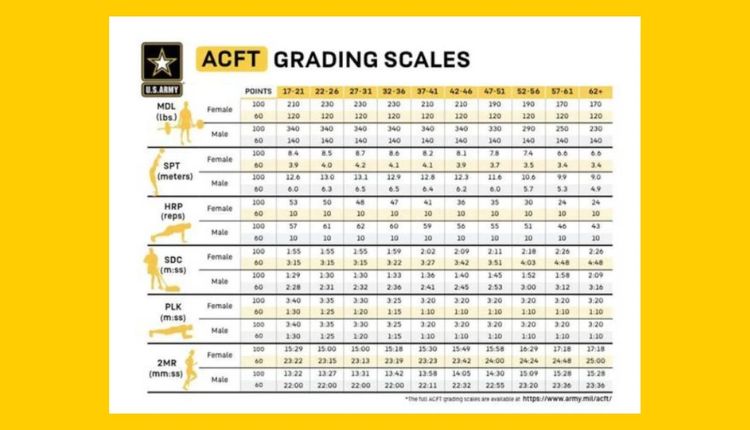
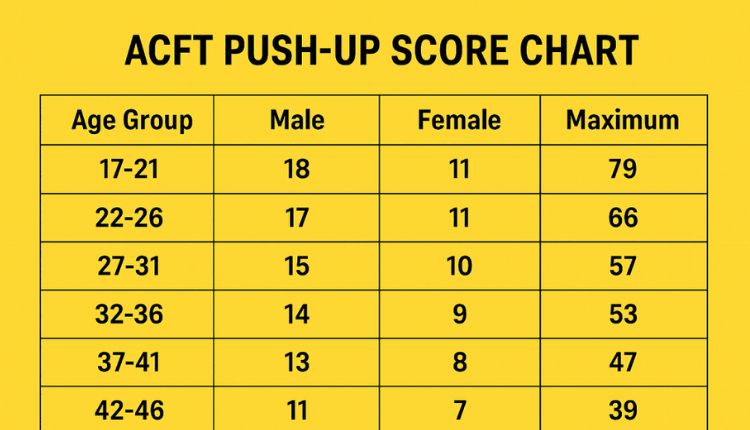
The structure of the Army PT test depends on whether the APFT or ACFT system is used. The older APFT focused on three main events: push-ups, sit-ups, and a 2-mile run. Each event is scored on a scale of 0 to 100, so the maximum total score is 300. A passing score generally requires at least 60 points per event.
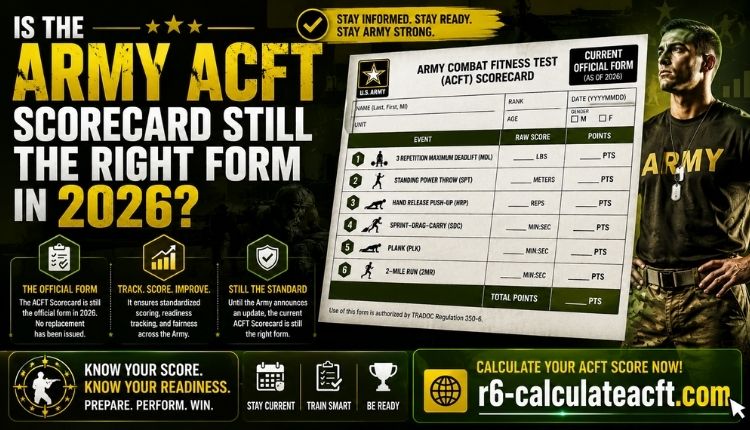
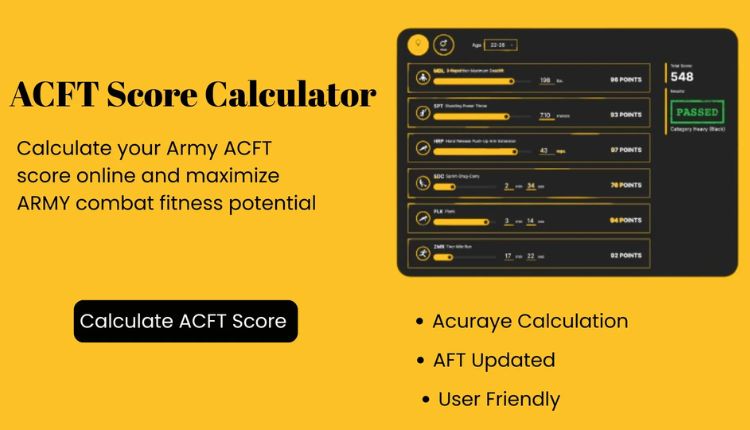
The newer ACFT includes six events:
- Deadlift
- Standing, throw
- Manual push-up release
- Sprint-Drag-Carry
- Plank
- 2-mile run
Each event assesses different physical abilities such as strength, endurance, agility and coordination. The scoring system is more complex but provides a more realistic measure of combat readiness.
Bullets for scoring structure:
- Each event has a minimum and maximum score range
- Performance is converted to points using official tables
- The total score determines the fitness classification
- Higher scores improve advancement and career opportunities
The Army PT Score Calculator simplifies this process by automatically converting raw performance into a standardised score, helping Soldiers instantly understand their level of readiness.
How Army PT Score Calculator Works
The Army PT Score Calculator works by converting physical performance into numerical scores using predefined military standards. Users enter their results for each exercise, such as the number of push-ups, sit-ups or running time. The calculator then compares these results to the official scoring tables and generates an overall fitness score.
For example, in the APFT system, completing more push-ups results in a higher score, while running faster also increases points. The ACFT system uses similar logic but includes force-based movements, making the calculations more detailed.
Necessary steps:
- Enter performance data for each event
- The system compares the results with a score chart
- Individual event scores are calculated
- The total score is generated automatically
The calculator is especially useful because it eliminates manual calculation errors and saves time. It also allows users to simulate different performance scenarios to see how improvement in one area can affect the overall score. This makes it a valuable training tool for both beginners and experienced soldiers.
Importance of Army PT Score in Military Career
Army PT scores play a vital role in a soldier’s military career. It is not only a fitness measurement but also a performance indicator that affects promotions, assignments, and overall readiness ratings. A high PT score demonstrates discipline, physical strength, and mental toughness, all essential qualities of military service.
Soldiers who have consistently high scores are often considered more reliable and may receive better career opportunities. On the other hand, a low score can limit progression and even lead to compulsory retraining.
Key Important Points:
- Affects promotion eligibility
- It reflects the level of combat readiness
- It affects military training options
- It is used in performance evaluation
Maintaining a strong PT score is critical to long-term career success in the military. This is why many soldiers rely on PT score calculators to track progress and be ready for official evaluations.
Training Tips to Improve Army PT Score
Improving your Army PT score requires consistent training and balanced fitness. The goal is to simultaneously increase strength, endurance, and cardiovascular fitness. A structured plan is more effective than random workouts.
Effective training strategies include:
- Daily push-ups and sit-ups for muscular endurance
- Interval running to improve your 2-mile time
- Strength training for ACFT actions, such as deadlifts
- Basic exercises like planks for stability
- Rest and recovery for muscle growth
Bullets for better improvement:
- Track progress weekly with the PT Score Calculator
- Focus on weak events first
- Maintain proper nutrition and hydration
- Gradually increase the intensity of the exercise
- Avoid overtraining to avoid injury
Consistency is key when preparing for Army Aptitude Tests. By following a disciplined training routine and using the PT Score Calculator regularly, individuals can significantly improve their performance and achieve higher scores.
Differences Between APFT and ACFT Scoring
The transition from the APFT to the ACFT brought about major changes in how military fitness is evaluated. The APFT was simpler, focusing mainly on upper body strength and running endurance. However, it did not fully reflect combat readiness.
ACFT, on the other hand, is more comprehensive and includes multiple physical domains such as strength, agility, and functional strength. This makes the scoring system more realistic and challenging.
Comparison points:
- APFT includes 3 events; ACFT includes 6 events
- APFT focuses on basic fitness; ACFT focuses on combat readiness
- ACFT has more complex scoring standards
- PT calculators now support both systems
Army PT Score Calculator helps users adapt to both systems by automatically adjusting scoring formats. This ensures accurate performance monitoring regardless of test type.
Common Mistakes When Using PT Score Calculator
Many users make mistakes when using the Army PT Score Calculator, which can lead to incorrect results or misunderstanding of fitness levels. One common mistake is to enter inaccurate performance data, such as incorrect run times or estimated numbers of repetitions.
Another problem is relying solely on a calculator without real training. The tool is intended for guidance, not as a substitute for physical training.
Common mistakes include:
- Entering estimated rather than actual performance
- Ignoring updated Army scoring standards
- Focusing on just one fitness area
- Does not monitor progress regularly
- Misinterpretation of score results
To obtain accurate results, users must ensure that they enter the correct data and understand the scoring system. The calculator is most effective when combined with real training and consistent progress tracking.
Why Army PT Score Calculator is Essential Today
In modern military training, the Army PT Score Calculator has become an essential tool for preparation and performance tracking. With increasing fitness standards and the complexity of ACFT assessments, manual calculations are no longer practical for most users.
The calculator provides instant feedback and allows soldiers to quickly adjust training plans. It also helps recruits prepare before joining the military, reducing the failure rate during official testing.
Main reasons for importance:
- Simplifies complex scoring systems
- Helps track fitness progress effectively
- Supports better training decisions
- It reduces errors in calculations
- Improves preparation for official tests
All in all, the Army PT Score Calculator is not only a tool but also a training companion that supports long-term fitness improvement and military readiness.
Conclusion
The Army PT Score Calculator is an essential resource for anyone preparing for military aptitude tests. It simplifies scoring, helps track performance and supports better training decisions.
Whether you use the APFT or ACFT standards, understanding your PT score is key to improving your physical readiness and achieving career success in the military. Regular use of the calculator combined with disciplined training ensures continuous improvement and better test scores.
FAQs
- What is the Army PT Score Calculator?
It is a tool used to calculate a fitness score based on Army Physical Test performance.
- Is the calculator accurate?
Yes, it is accurate as long as the correct performance data is entered.
- What tests are included in the ACFT?
Deadlift, push-ups, sprint-drag-carry, plank, and running are all exercises.
- Can I pass the Army PT test easily?
Yes, with proper training and consistent practice.
- Is APFT still being used?
In most cases, it is replaced by ACFT.
- Why is the PT score important?
It affects promotions, readiness ratings, and career progression.
- How often should I check my PT score?
You will achieve the best results weekly or after training cycles.