Army PT Test Score
This comprehensive guide explains how the scoring system works, the different components of the test, and what it takes to get a high score. Whether you’re preparing to enlist or trying to improve your current performance, understanding your Army PT test score can help you set realistic goals and effectively track your progress.
This article includes scoring charts, minimum requirements, and expert tips on how to improve your scores. Find out how factors such as age, gender, and training methods affect your score. With practical strategies and detailed insights, you can maximize your fitness potential and meet military standards with confidence. Stay prepared, stay disciplined, and get the best PT test score possible.
Understanding the Army PT Test Score
The Army PT test score is designed to measure a soldier’s physical readiness through structured exercises. It assesses strength, endurance, and cardiovascular fitness. This score is not just a number but a reflection of a soldier’s ability to perform in physically demanding conditions.
Each branch of the military may be slightly different, but the basic idea remains the same. The test ensures that soldiers maintain a basic level of fitness necessary for operational effectiveness.
Typically, scores are calculated based on performance in multiple events. These events test different aspects of fitness and ensure a balanced assessment. A higher score means better physical condition and readiness.
Understanding how scoring works is essential for anyone preparing for a test. It helps individuals focus their training efforts in the right direction.
Components of the Army PT Test
The Army PT test score is determined by performance in several physical exercises. Each component focuses on a specific area of fitness.
The most common test components include:
- Push-ups to measure upper body strength
- Sit-ups or basic abdominal strength exercises
- Time trial to assess cardiovascular fitness
- Other events, like planks or sprint-drag-carry, in more recent tests
Each event is scored separately, and the total score is the sum of all components.
These exercises are carefully selected to simulate the actual physical demands soldiers face. They ensure that individuals are able to handle physically stressful situations.
Training for each component requires a balanced fitness routine. Neglecting one area can significantly affect the overall score.
Scoring System Explained
Army PT test scores visit more are calculated based on performance benchmarks. Each exercise has a maximum number of points, and the sum is combined into the final result.
- The scoring system usually works like this:
- Each event has a maximum of 100 points
- A minimum score is required to complete the event
- Total scores often range up to 300 or more
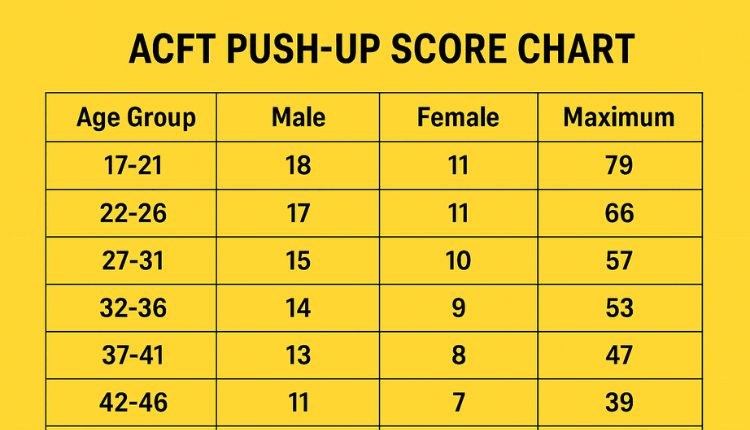
Performance is compared with standardised charts. These charts are differentiated by age and gender to ensure fair evaluation.
Higher scores reflect better performance and physical fitness. A score above the minimum is essential, but striving for excellence can open up more opportunities in the military.
Understanding the breakdown of scores helps candidates focus on areas that need improvement.
Minimum Requirements and Passing Score
To pass the Army PT test score, candidates must meet the minimum standards in all cases. The Army point test must meet not only the overall requirement but also the minimum for each section.
Typical requirements include the following:
- Completing the minimum number of push-ups
- Achieving a set number of sit-ups or plank duration
- Completing the run in a certain time
- Failure of any component can result in failure of the entire test.

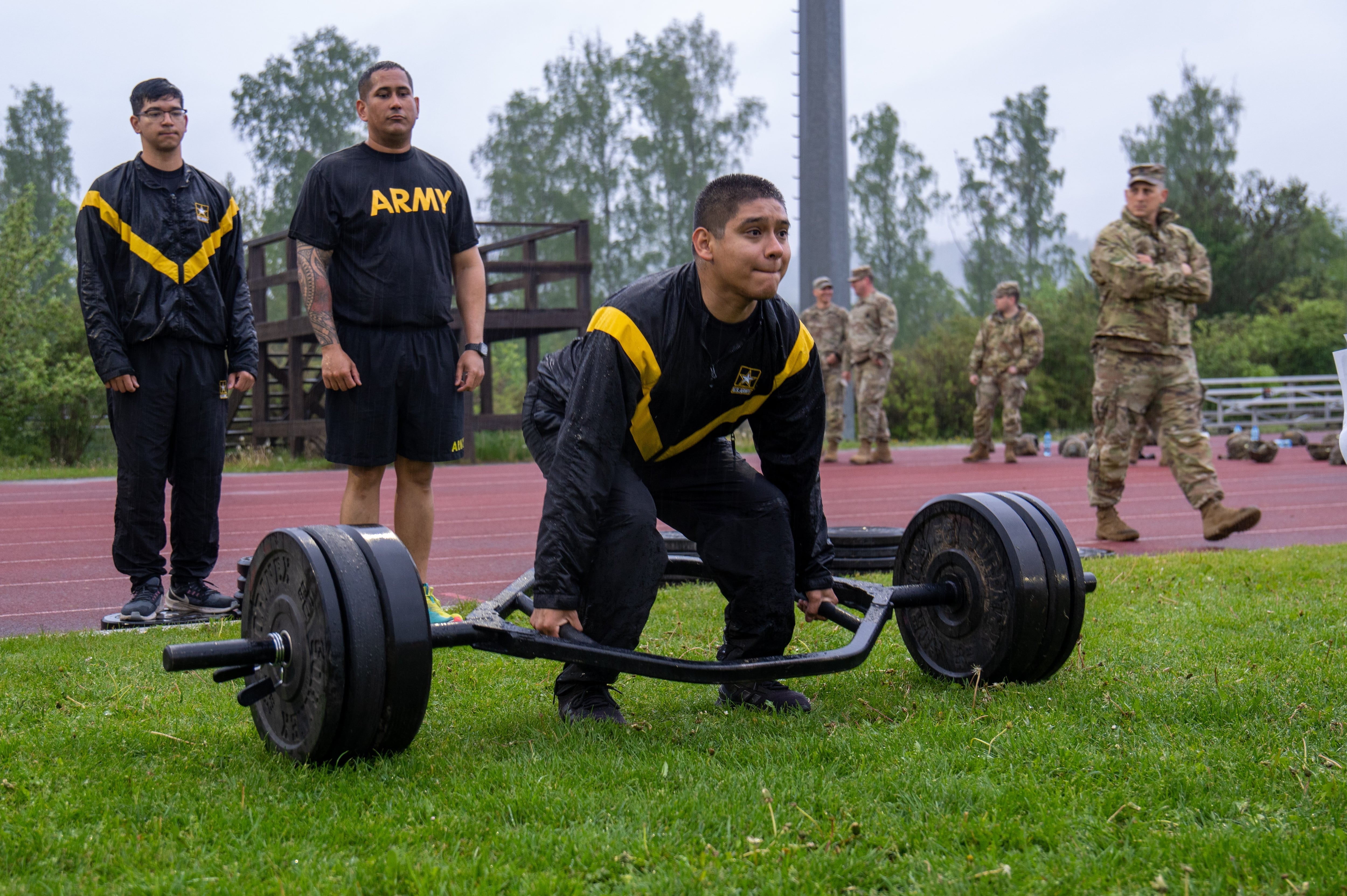
These standards are set to ensure that all soldiers maintain a basic level of fitness. They are regularly updated to reflect modern military needs.
Meeting the minimum is the first step, but exceeding it demonstrates dedication and discipline.
Factors That Affect Your Score
Several factors can affect your Army PT test score. Understanding them can help you prepare more effectively.
Important factors include:
- Age and gender categories
- Physical condition and consistency of training
- Nutrition and hydration
- Mental focus and motivation
External conditions, such as weather and test environment, can also affect performance.
Consistency in training plays a major role. Sudden or irregular workouts are less effective than structured routines.
Proper recovery and sleep are equally important. Without them, performance can drop significantly.
Training Tips to Improve Army PT Test Score
Improving your Army PT test score requires a strategic approach. It’s not just about working harder; it’s about training smarter.
Effective tips include:
- Follow a structured exercise plan
- Focus on both strength and endurance
- Practise test-specific exercises regularly
- Track your progress and adjust accordingly
Incorporating interval training can improve running performance. Strength training improves the results of push-ups and core exercises.
Consistency is key. Small, steady improvements over time lead to significant gains.
A proper warm-up and cool-down help prevent injury and ensure continued progress.
Common Mistakes to Avoid
Many candidates make avoidable mistakes that negatively affect their Army PT test score. Realising this can help you perform better.
Common mistakes include:
- Overtraining without proper recovery
- Ignoring weaker areas
- Bad organization of time during the test
- Lack of proper technique
Focusing only on strong areas can lead to imbalance. Each component is equally important.
Improper form can reduce efficiency and increase fatigue. Learning the right techniques is essential.
Avoid last-minute preparation. Consistent training over time yields better results.
Benefits of Achieving a High Score
A high Army PT test score offers several benefits. It reflects discipline, dedication and physical fitness.
Benefits include:
- Better career opportunities in the military
- Increased self-confidence and self-esteem
- Recognition and possible rewards
- Improving overall health and fitness
A strong score can set you apart from the rest. It demonstrates a commitment to excellence.
Physical fitness also contributes to mental resilience, which is crucial in challenging situations.
Maintaining a high score requires constant effort, but the rewards are worth it.
Conclusion
The Army pt test score is a critical measure of physical readiness and overall fitness. It assesses multiple aspects of strength, endurance and discipline. Understanding the scoring system, meeting the minimum requirements, and training consistently can greatly improve your performance.
Achieving a high score is not just about passing a test; it reflects a commitment to personal and professional excellence. With proper preparation, balanced training, and the right mindset, anyone can improve their Army PT test score and reach their fitness goals.
FAQs
What is a good Army PT test score?
A good score typically exceeds the minimum requirements and demonstrates above-average performance in all events.
How often is the Army PT test conducted?
It is usually conducted periodically, depending on military regulations and unit requirements.
Can I retake the test if I fail?
Yes, most systems allow retakes after a specific period, giving candidates time to improve.
How can I improve my running score?
Incorporate interval training, long-distance runs, and proper pacing strategies into your routine.
Does age affect the scoring system?
Yes, scoring standards are adjusted based on age groups to ensure fairness.