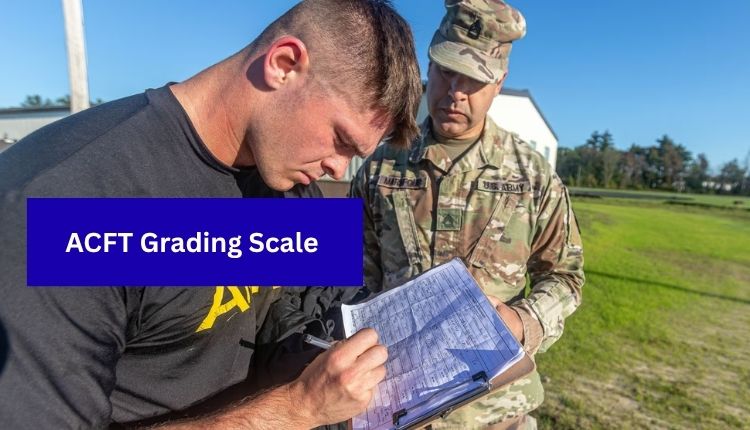
ACFT Score Sheet
It records performance in six key events, including strength, endurance and agility ratings. Understanding how the ACFT score sheet works is critical to improving scores and meeting military standards. This comprehensive guide explains scoring methods, event breakdowns, minimum requirements, and strategies to increase your performance.
Whether you’re preparing for your first ACFT or trying to improve your score, this article provides clear information on how to interpret your score chart and maximize your fitness potential. Find out how each event contributes to your overall score and discover practical tips to improve your training routine. Stay informed, track progress efficiently, and reach your target ACFT score with confidence.
Introduction to ACFT Score Sheet
The ACFT score sheet plays a key role in measuring a soldier’s overall physical fitness. It provides a structured format for recording and evaluating performance across six different events. Each event focuses on a specific area of fitness such as muscular strength, endurance, power, agility, and cardiovascular capacity.
The score not only records raw performance but also converts these results into standardised scores. These scores determine whether a soldier meets the required fitness standards. The total maximum score is 600 points, with each event contributing up to 100 points.
Understanding how the score sheet works is essential for anyone preparing for the ACFT. It helps individuals track their progress, identify weaknesses and create targeted training plans. A well-maintained scorecard also allows leaders to assess readiness and ensure compliance with Army proficiency requirements.
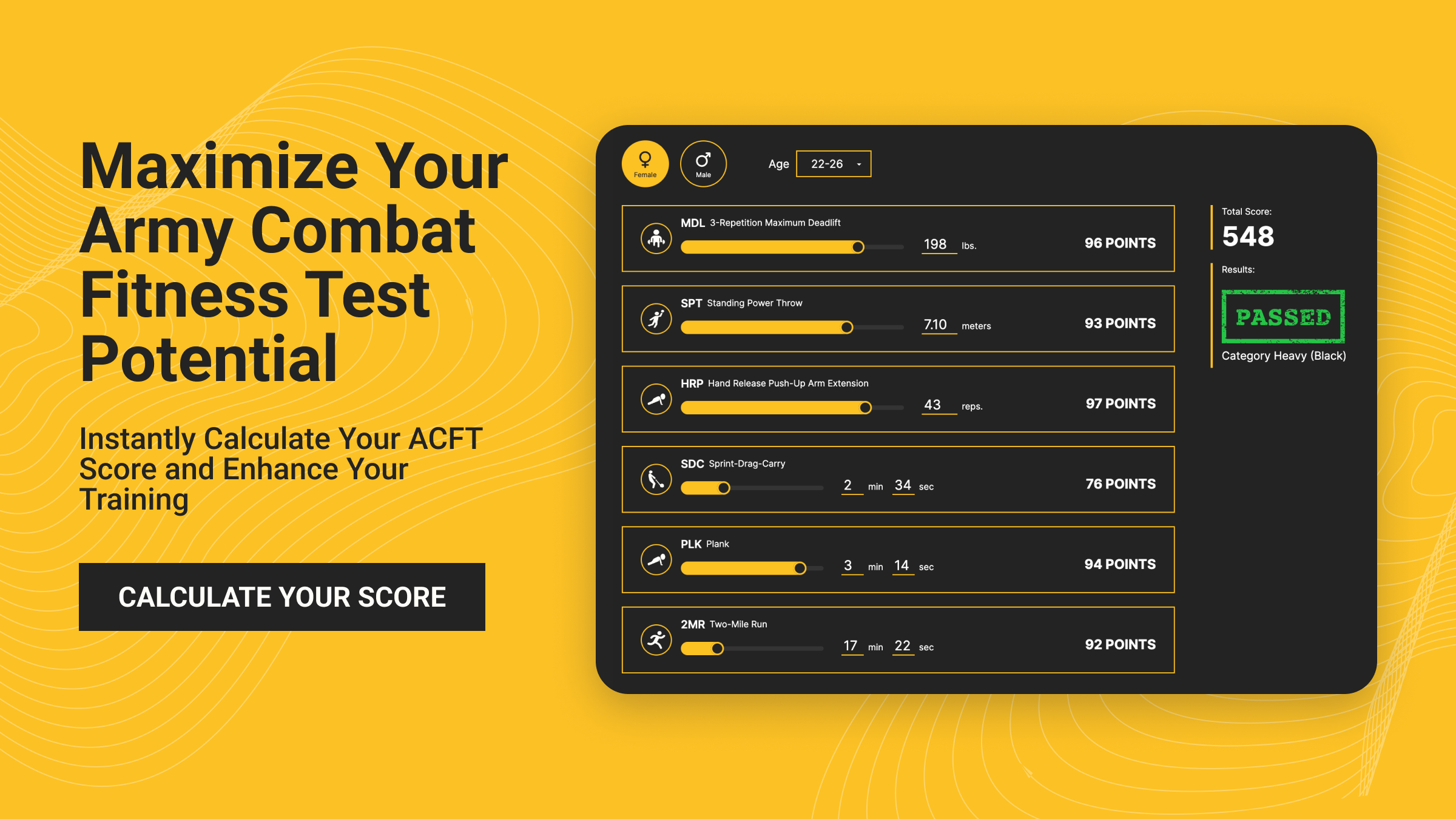
Overall, the ACFT scorecard is more than just a record—it’s a blueprint for physical improvement and operational readiness.
Structure of the ACFT Score Sheet
The ACFT score sheet is visit more divided into six main sections, each representing a specific aptitude test. These sections are clearly labelled, making it easy to record and review performance data.
Each section includes space for raw scores such as reps, time or distance. These raw scores are then converted to point values based on official scoring standards. The last part calculates the total score by adding up the points from all six events.
Key components of the scorecard include:
- Personal data (name, rank, unit)
- Event Performance Records
- Point conversion tables
- Total score calculation
- Pass/fail status
A structured layout ensures consistency and accuracy of assessment. It also simplifies comparisons between different testing attempts.
By understanding the structure, individuals can better interpret their results. This knowledge is especially useful when setting performance goals or preparing for retests. The score serves as both a performance monitor and a planning tool.
Six Events in the ACFT Score Sheet
The ACFT score sheet contains six different actions, each designed to test a unique aspect of physical fitness. Together, these events provide a comprehensive assessment of a soldier’s readiness.
The six actions are:
- Deadlift (Strength)
- Standing Throw (Explosive Power)
- Hand-Release Push Ups (Upper Body Endurance)
- Sprint-drag-carry (agility and anaerobic endurance)
- Plank (core strength)
- Two Mile Run (Aerobic Endurance)
Each event is scored separately, with a maximum of 100 points. Performance standards vary depending on the level of fitness required.
The variety of events ensures a balanced rating. Instead of focusing on one area, the test measures overall fitness. This approach reflects the actual physical demands soldiers face.
Understanding each event helps individuals prepare more effectively. By focusing on specific exercises related to each event, test takers can improve their scores and overall performance.
How ACFT Scoring Works
The scoring system in the ACFT score sheet is simple but requires attention to detail. Each event has a minimum and maximum standard, with points awarded based on performance.
For example, lifting heavier weights in a deadlift earns you higher points, while completing a run in less time also increases your score. Each event has a scoring table that converts raw performance into points.
Important scoring rules include:
- Minimum score to pass: 60 points per competition
- Maximum score per event: 100 points
- Total maximum points: 600 points
If a soldier does not reach 60 points in any case, he fails the entire test regardless of the total score. This ensures balanced fitness in all areas.
The scoring system encourages consistent performance rather than specialisation. It pushes individuals to improve in weaker areas while maintaining strengths.
By understanding how scoring works, test takers can prioritise training and focus on balanced improvement across all events.
Importance of the ACFT Score Sheet
The ACFT score sheet is not just a record – it is a critical assessment tool. It helps determine if a soldier is physically ready for duty.
The importance of the scorecard includes the following:
- Tracking individual progress over time
- Identifying strengths and weaknesses
- Promotion and rating support
- Ensuring mission readiness
Leaders use the scorecard to make informed decisions about training and assignments. A good score reflects discipline, commitment and physical ability.
For individuals, the scoreboard acts as motivation. Seeing progress in numbers encourages further effort and improvement. It also provides clear goals to work towards.
Essentially, the ACFT score is a key component in maintaining high fitness standards and ensuring operational efficiency.
Tips to Improve Your ACFT Score
Improving ACFT score sheet requires a focused and consistent approach. Training should focus on all six events while maintaining overall fitness.
Effective tips include:
- Follow a structured exercise plan
- Focus on the weak areas identified in your scorecard
- Include strength and endurance training
- Practice event-specific exercises
- Maintain proper nutrition and hydration
Consistency is the most important factor. Regular training leads to gradual improvement and better performance.
Regeneration is equally important. Adequate rest helps prevent injury and improves long-term results.
Tracking progress with a scorecard allows individuals to adjust their training strategies. By analysing performance data, you can focus on the areas that need the most improvement.
With dedication and proper planning, achieving a high ACFT score becomes a realistic goal.
Common Mistakes in ACFT Scoring
Many individuals make mistakes in interpreting or using the ACFT score sheet. These errors can affect performance and overall results.
Common mistakes include:
- Misreading the scoreboards
- Ignoring weak event areas
- Too much focus on one event
- Bad organization of time during the test
Another common issue is failing to understand the minimum requirements. Even a strong overall performance cannot compensate for failing one event.
Avoiding these mistakes requires careful preparation and understanding of the scoring system. Reviewing the score sheet before and after each test helps identify errors and improve accuracy.
By learning from mistakes, individuals can refine their approach and achieve better results in future tests.
Benefits of Tracking Your ACFT Score Sheet
Tracking your ACFT score chart over time provides valuable information about your fitness journey.
Benefits include:
- Clear progress measurement
- Better goal setting
- Increased motivation
- Improved training efficiency
Keeping track of past scores helps in setting realistic goals. It also highlights which training methods are most effective.
Regular monitoring ensures accountability. It encourages individuals to stay committed to their fitness goals.
Ultimately, the scorecard becomes a personal record of performance that leads to continuous improvement and long-term success.
Conclusion
The ACFT score sheet is an essential tool for assessing and improving physical fitness. It provides a clear and structured way to measure performance in six critical areas of fitness. By understanding how the scorecard works, individuals can better prepare for the test and achieve higher scores.
From tracking progress to identifying weaknesses, the scorecard plays a vital role in fitness development. With proper training, consistent effort, and careful analysis, anyone can improve their ACFT performance.
Success in the ACFT is not just about passing – it’s about achieving a balanced level of fitness that meets demanding physical standards. Use the scorecard as a guide and you’ll be well on your way to reaching your fitness goals.
FAQs
What is the maximum score on the ACFT score sheet?
The maximum total score is 600 points, with 100 points for each of the six events.
What is the minimum score to pass?
To pass the test, you must score at least 60 points in each discipline.
How many events are included in ACFT?
There are six events focused on strength, endurance, agility, and cardiovascular fitness.
Can you fail one event and still pass overall?
No, failing one event results in failing the entire test regardless of the total score.
How often should I check my scorecard?
You should review it after each test to monitor your progress and adjust your training plan.