Army PT Score
It ensures that every individual in the military maintains the strength, endurance and agility needed to perform challenging tasks in a variety of environments. Physical fitness isn’t just about passing the Army PT score; it’s about maintaining a lifestyle that promotes operational efficiency.
Introduction to Army PT Score
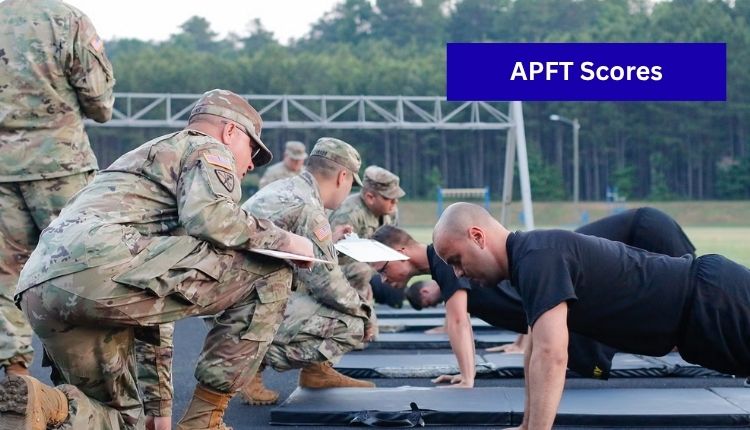
The Army Physical Fitness Test (APFT) and its updated version, the Army Combat Fitness Test (ACFT), assess various aspects of physical ability. These include strength, endurance and cardiovascular endurance. Each soldier is assigned a score based on their performance in specific exercises, and this score determines whether they meet the required standards.
Both recruits and active duty personnel need to understand how the scoring system works. It helps them prepare effectively and improve over time. Higher PT scores can lead to better career opportunities, promotions, and overall readiness for challenging missions.
In this guide, we’ll explore everything you need to know about the Army PT score, including scoring systems, requirements, preparation strategies, and tips to boost your performance.
Understanding Army PT Score System
The Army PT score system is designed to measure a soldier’s physical abilities in a structured and standardised manner. Each event in the test is scored individually, and a total score is calculated by combining the results of all events.
Typically, each event is graded on a scale, with a minimum passing score required for each section. Soldiers must meet both individual event standards and an overall score requirement. Failure in any event can result in the entire test failing.
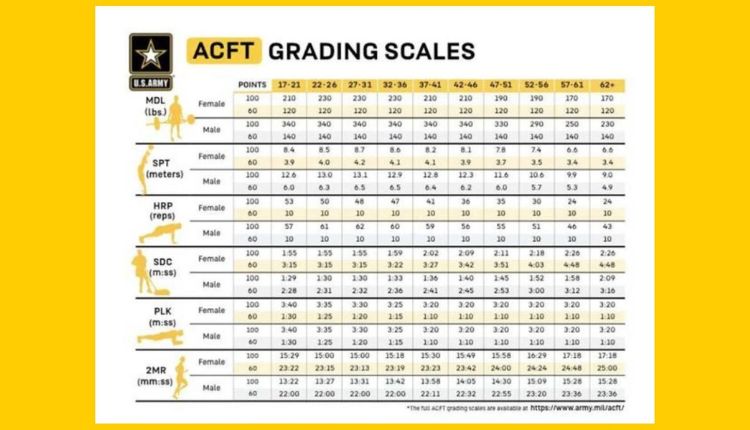
Scoring criteria vary by age and gender categories. This ensures fairness while maintaining high fitness standards for all employees. For example, younger soldiers may be required to perform more repetitions or complete tasks in less time compared to older age groups.
The newer ACFT includes six actions, each targeting different muscle groups and conditioning aspects. These include the deadlift, sprint-drag-carry, and two-mile run. Each event contributes to the total score, which usually has a maximum limit.
Understanding how points are awarded allows Soldiers to focus on areas where they can make the most improvement. Consistent tracking of scores also helps identify strengths and weaknesses, making training more efficient and goal-orientated.
Key Components of Army PT Test
The Army PT test consists of several exercises designed to assess overall physical fitness. Each component plays a significant role in determining the final Army PT score.
The traditional APFT included push-ups, sit-ups, and a two-mile run. However, the updated ACFT is more comprehensive and includes six events that better reflect actual combat situations.
Key components include strength-based exercises such as deadlifts that test lower-body strength. There are also endurance-based activities, such as a two-mile run that assesses cardiovascular fitness. Agility and coordination are measured through actions such as sprint, drag, and carry.
These components are carefully selected to simulate Army PT Score real military tasks. For example, carrying heavy equipment or moving quickly under pressure requires both strength and endurance.
Each event is timed or measured based on performance metrics. Soldiers must meet a minimum requirement to pass. The scoring system rewards higher performance with more points and encourages individuals to exceed basic standards.
It is essential to focus equally on all components. Neglecting one area can greatly affect the overall Army score. Balanced training ensures better performance in all test events.
Army Score Requirements
Army PT score requirements are set to ensure that all soldiers meet a basic level of physical fitness. These standards are not arbitrary; they are based on the physical demands of military duties.
Each event has a minimum number of points that must be achieved. In addition, a minimum total score is required to pass the test. Soldiers who fail to meet these standards may face consequences such as additional training or career restrictions.
Requirements vary by age and gender category. This ensures that standards are realistic while maintaining a high level of fitness across the force.
For example, younger soldiers may need to complete more push-ups or run faster to achieve the same score as older personnel. This tiered system promotes fairness while encouraging everyone to stay fit.
In the ACFT, the minimum passing score for each event is usually 60 points with an overall minimum score requirement. A higher score means better performance and can have a positive effect on promotions and rankings.
Meeting the Army PT score requirements isn’t just about passing the test. It reflects a soldier’s readiness to handle physically demanding situations and perform effectively in challenging environments.
How to Improve Army PT Score
Improving your Army PT score requires a strategic approach to training. It’s not just about working harder; it’s also about training smarter.
Consistency is key. Regular training sessions focusing on all aspects of fitness will lead to gradual improvement. Strength training, cardio exercises, and flexibility routines should be part of a balanced programme.
Setting specific goals can help track progress. For example, increasing the number of push-ups or reducing the running time by a certain margin provides clear goals to focus on.
Here are some effective ways to improve your Army score:
- Focus on proper form during exercise
- For better endurance, include interval training
- Maintain a balanced diet for optimal performance
- Allow yourself enough time to rest and regenerate
- Track your progress regularly
Mental preparation is equally important. Staying motivated and disciplined can make a significant difference in performance. Visualisation and goal-setting techniques can help maintain focus.
Working with a trainer or following a structured programme can also be beneficial. It ensures that you train effectively and avoid injury.
Improvement takes time, but with dedication and the right approach, achieving a higher Army score is entirely possible.
Common Mistakes to Avoid
Many soldiers struggle with their Army PT scores due to common mistakes that can be easily avoided. Recognising these mistakes is the first step to improvement.
One of the main mistakes is neglecting certain areas of fitness. Focusing only on strength and ignoring endurance, or vice versa, can lead to unbalanced performance. Since the test assesses multiple aspects, all areas must be addressed.
Another common problem is poor technique. Improper form during exercise not only reduces efficiency but also increases the risk of injury. Proper training and guidance can help correct these mistakes.
Overtraining is also a problem. While regular exercise is important, excessive training without adequate rest can lead to fatigue and decreased performance. Recovery is just as important as the workout itself.
Here are some mistakes to avoid:
- Skipping the warm-up and cool-down
- Ignoring flexibility and mobility training
- Not following a structured training plan
- Poor nutrition and hydration
- Lack of consistency
Avoiding these mistakes can greatly improve your Army score. Small adjustments to training habits can lead to noticeable improvements over time.
Benefits of a High Army Score
Achieving a high Army PT score comes Army PT Score with a number of benefits. It’s not just about meeting the requirements; it’s about excelling beyond them.
A higher score can lead to better career opportunities in the military. Promotions and leadership roles often consider physical fitness a key factor. It shows discipline, determination and preparedness.
Physical fitness also improves overall health. Regular exercise reduces the risk of chronic diseases and improves mental well-being. Soldiers with higher PT scores often have better stamina and endurance.
Trust is another big advantage. Knowing that you are physically fit increases your confidence and performance in challenging situations.
Some key benefits include:
- Increased chances of promotion
- Better overall health and fitness
- Increased mental toughness
- Improved work performance
- Greater self-confidence and discipline
A high Army score reflects dedication and hard work. It shows that the soldier is ready to meet the demands of military service and excel in his role.
Future of Army Score Standards
The Army PT score system is constantly evolving to meet modern military needs. The transition from APFT to ACFT is a clear example of how standards are being updated to reflect real challenges.
Future changes may include more advanced testing methods and technology integration. Wearable devices and data tracking could provide more accurate assessments of physical fitness.
Emphasis is shifting toward functional fitness that emphasizes real-life movements and tasks. This ensures that soldiers are prepared for real combat situations, not just to pass an exam.
Training methods are also being developed. Modern programs incorporate science-based approaches to improve performance and reduce the risk of injury. Nutrition, recovery and mental health are becoming an integral part of fitness programmes.
As the Army adapts to new challenges, the PT rating system will continue to evolve. Staying informed of these changes is critical to maintaining a competitive advantage.
Conclusion
The Army PT score is a critical measure of a soldier’s physical readiness and overall fitness. It plays a significant role in career advancement, operational efficiency and personal health. An understanding of the scoring system, meeting requirements and continuous improvement of performance is essential for success.
By focusing on balanced training, avoiding common mistakes, and being consistent, anyone can improve their Army score. The journey requires dedication, discipline and a commitment to excellence.
As standards continue to evolve, maintaining readiness Army PT Score and adaptability will ensure long-term success in the Army.
FAQs
What is a good Army score?
A good Army score usually exceeds the minimum graduation requirement and demonstrates strong performance on all events.
What happens if you fail the Army PT test?
Failure to pass the test may result in further training, re-examination or impact on career progression.
How often is the Army PT test administered?
It is usually done at least twice a year, depending on the unit’s requirements.
Can you improve your PT score quickly?
Yes, with consistent training, proper diet and a structured plan, noticeable improvements can be made over time.
Is the ACFT harder than the APFT?
ACFT is more complex and challenging because it includes more actions and tests a wider range of fitness skills.