ACFT Requirements
This comprehensive guide explains everything you need to know, including scoring standards, event schedules, preparation tips and performance expectations. Whether you are active duty military, a recruit, or a fitness enthusiast, understanding the ACFT requirements will help you improve your strength, endurance, and overall readiness.
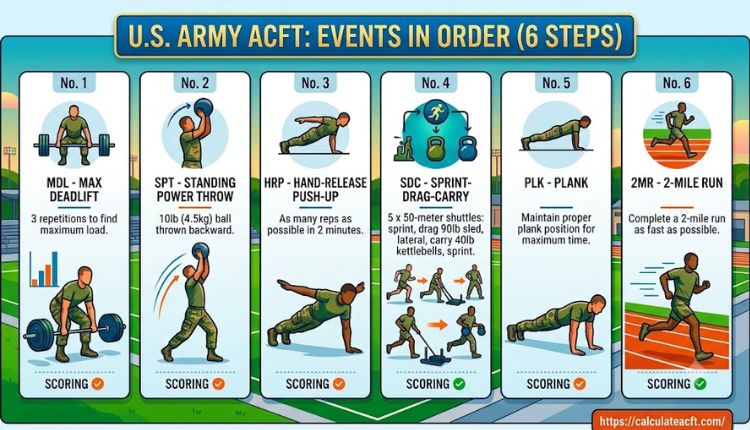
The test consists of six actions designed to measure functional fitness, including strength, agility and cardiovascular endurance. In this article, you’ll find a detailed explanation of each event, updated scoring criteria, and expert strategies to help you succeed.
ACFT Requirements Overview
ACFT requirements are designed to measure a soldier’s physical readiness in a modern combat environment. Unlike older fitness tests, this system focuses on functional fitness rather than just endurance or simple strength. The goal is to ensure that soldiers can effectively perform tasks in the real world.
The test includes six different actions that assess different aspects of fitness. These include muscular strength, power, agility and cardiovascular endurance. Each event contributes to the overall score and soldiers must meet minimum standards to pass.
Key strengths of ACFT include:
- Structure of six events
- Gender-neutral scoring standards (role-based adjustments may apply)
- Focus on combat readiness
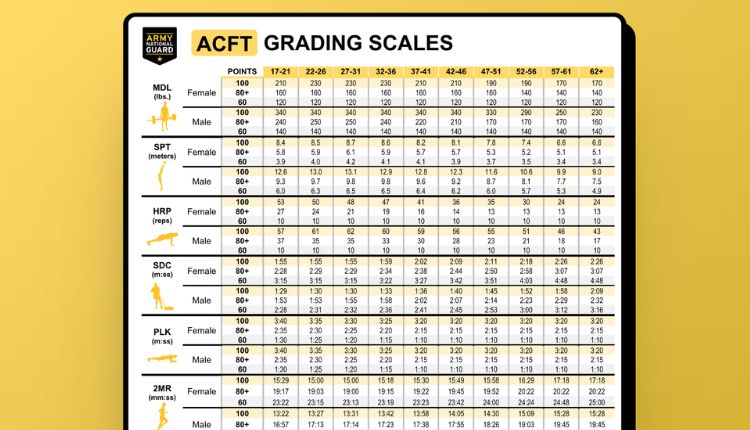
- Total score out of 600 points
ACFT is not just about passing; it is about achieving operational capability. Soldiers must prepare holistically and ensure they are strong, agile and resilient.
Understanding these requirements is the ACFT Requirements first step to success. Whether you’re preparing for enlistment or active duty evaluation, knowing what to expect gives you a distinct advantage.
ACFT Requirements for Deadlift Event
The three-rep max deadlift is the first event ACFT Requirements in the ACFT requirements. This event measures the lower body strength and overall strength necessary to lift heavy equipment in combat situations.
Participants must lift a hexagonal bar with increasing weight. The goal is to complete three reps with proper form. The heavier the weight lifted, the higher the score.
Important aspects of this event include:
- Correct lifting technique is important
- Weight ranges usually start from the middle levels
- Maximum scores require lifting significantly heavier loads
- Benefits of mastering the deadlift include:
- Improved core strength
- Better posture and stability
- Reduced risk of injury
Common mistakes to avoid:
- Rounding of the back
- Using the wrong grip
- Lifting too quickly without control
Training for this event should include progressive overload and practice of proper technique. Exercises like squats and Romanian deadlifts can help improve performance.
Meeting the ACFT in this case sets the tone for the rest of the test. A strong start can boost confidence and overall scoring potential.
ACFT for Standing Power Throw
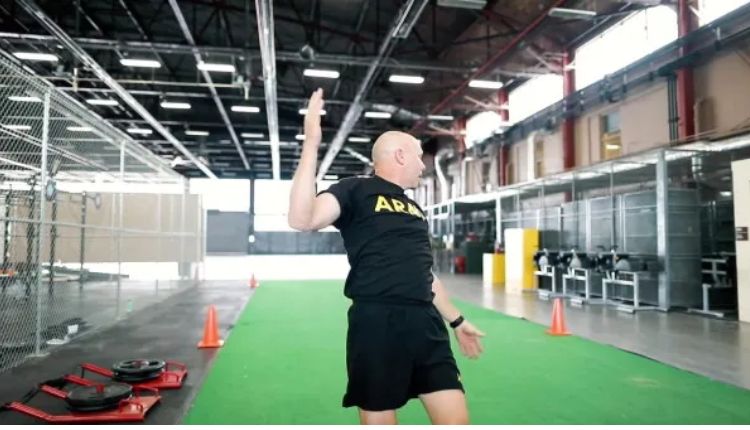
The standing throw measures explosive power. In this event, participants throw a medicine ball backwards over their heads as far as possible.
This test assesses coordination, strength and flexibility. It reflects real actions such as throwing equipment or helping teammates.
Key success factors include the following:
- Strong hip drive
- Correct timing and coordination
- Involvement of the whole body
- Tips to improve performance:
- Practise medicine ball throws regularly
- Focus on explosive movements
- Strengthen the core and shoulders
Common mistakes include:
- Bad release angle
- Lack of full extension
- Poor lower body engagement
Scoring is based on the distance the ball travels. The further the throw, the higher the score.
To meet ACFT requirements, participants must develop both strength and technique. This action may seem simple, but it takes practice to achieve maximum performance.
Consistent training and attention to form can greatly improve results in this category.
ACFT for Hand-Release Push-Ups
Hand-release push-ups are a variation of the traditional push-ups included in the ACFT requirements. This event measures upper body endurance and muscular control.
Participants must lower their body to the ground, release their arms briefly, and then push back up. This ensures a full range of motion for each repetition.
Key features of this event:
- Strict form requirements
- Full chest contact with the ground
- Hand release between reps
Benefits of this exercise:
- Builds chest and shoulder strength
- Improves muscle endurance
- Improves the overall condition of the upper body
Tips for improvement:
- Keep a straight body line
- Engage your core muscles
- Practise controlled movements
Common errors:
- Incomplete range of motion
- Sagging hips
- He rushes to repeat
Scoring is based on the number of repetitions correctly completed. Consistency and persistence are crucial to achieving a high score.
Accomplishing ACFT in this case requires both strength and endurance. Regular training with proper technique can help maximize performance.
ACFT for Sprint-Drag-Carry
The sprint-drag-carry event is one of the most challenging parts of the ACFT requirements. It tests speed, agility and endurance through a series of moves.
Participants have to complete several laps involving sprinting, sled pulling, weight carrying and lateral movements.
This event includes:
- Short-distance sprint
- Pulling a weighted sled
- Carrying kettlebells
- Side mixing
This event simulates battlefield conditions where soldiers must move quickly under load.
Tips for success:
- Build cardiovascular endurance
- Do interval training
- Improve grip strength
Common errors:
- Bad pace
- Weak transitions between movements
- Lack of stamina
Scoring is based on the total time required to complete all tasks. Faster completion results in a higher score.
To meet ACFT, participants must train for both strength and endurance. This action requires full-body coordination and mental toughness.
ACFT for Plank Event
The plank event replaced the leg tuck in the updated ACFT requirements. It measures core strength and stability.
Participants must hold the correct plank position for as long as possible. The body must remain straight, with the elbows under the shoulders and must not sag.
Key aspects:
- Correct alignment is essential
- Main involvement throughout the duration
- No movement is allowed
Benefits of plank training:
- Strengthens core muscles
- Improves posture
- It strengthens balance and stability
Tips for improvement:
- Practise holding the plank daily
- Gradually increase the duration
- Concentrate on your breathing
Common mistakes:
- Falling hips
- Lifting the hips too high
- Loss of form under fatigue
Scoring depends on how long the position is held. Longer duration means higher score.
Accomplishing ACFT in this event requires consistency and discipline. Core strength plays a vital role in overall fitness.
ACFT for Two-Mile Run
The two-mile run is the final event in the ACFT ACFT requirements. It measures cardiovascular endurance and mental endurance.
Participants must complete the run within a certain time to meet minimum standards. Faster times result in higher scores.
Key elements:
- Steady pace
- Strong staying power
- Mental focus
Training Tips:
- Include long-distance runs
- Do interval training
- Maintain proper hydration
Common errors:
- It starts too fast
- Bad pacing strategy
- Lack of endurance training
Benefits of strong performance:
- Improved endurance
- Better recovery between events
- Higher overall score
The two-mile run is often the most challenging part of the test. It requires both physical preparation and mental determination.
Meeting the ACFT for this event ensures an all-round fitness level.
ACFT Preparation Strategy
Preparing for ACFT requirements requires a structured approach. A balanced training plan is essential for success in all six events.
A proper preparation strategy includes the following:
- Strength training for muscle development
- Cardio exercise for endurance
- Flexible exercises for mobility
Example of a weekly training plan:
- Strength training (3 days)
- Cardio class (2-3 days)
- Rest and recovery (1-2 days)
Nutrition also plays a key role:
- Eat balanced meals
- Stay hydrated
- Maintain proper protein intake
Mental preparation is equally important:
- Set realistic goals
- Stay consistent
- Track progress
Avoid overtraining, as it can lead to injury and reduced performance.
Meeting ACFT is achievable with discipline and proper planning. Consistency is the key to long-term success.
Conclusion
ACFT requirements represent a modern approach to military fitness with a focus on real-world performance and functional strength. From strength and power to endurance and agility, each event plays a key role in evaluating a soldier’s readiness.
By understanding each component and following a structured training plan, anyone can improve their performance and meet the required standards. Success in the ACFT is not just about passing but excelling in all aspects of physical fitness. With dedication, proper training and the right mindset, scoring high is within your reach.
FAQs
- What are the ACFT?
ACFT requirements include six fitness events that measure strength, endurance, agility, and overall physical fitness.
- How is the ACFT evaluated?
The test is scored out of 600 points, with each event contributing a maximum of 100 points.
- What is the minimum score to pass?
Minimum scores vary, but generally Soldiers must meet basic standards in each event.
- How can I prepare for the ACFT?
Preparation includes strength training, cardio, proper nutrition and consistent practice.
- Is ACFT difficult?
It can be challenging, but with the right training and preparation, it is achievable for most individuals.