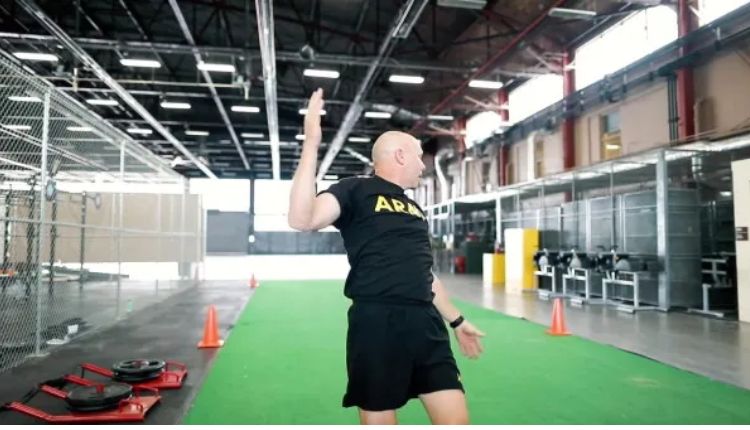
Army PT Chart
Physical fitness plays a vital role in military readiness, as soldiers must be able to perform demanding tasks such as long marches, combat operations, and carrying heavy equipment.
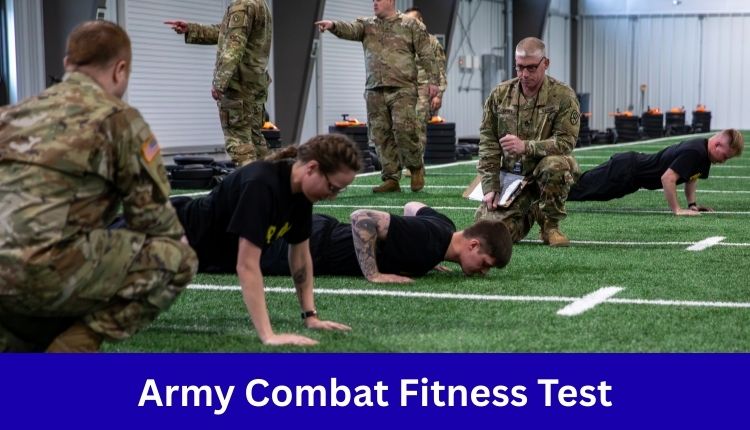
The military uses a standardised physical training (PT) chart to evaluate performance in exercises such as push-ups, sit-ups, and running. These scores help determine whether a soldier meets the required fitness standards.
Understanding how the Army PT chart works is important for recruits, military applicants, and anyone preparing for Army Aptitude Tests. In this guide, we’ll explore the structure of the PT chart, how scores are calculated, and how you can effectively prepare for the test.
PT Army Map Basics
The Army PT chart is a structured scoring system designed to evaluate a soldier’s physical abilities. It measures performance in several exercises that test endurance, strength and cardiovascular fitness.
The PT chart typically focuses on three main exercises:
- Shyby
- Sit-downs
- 2 míle běh
Each exercise is scored individually, and the total score determines whether the soldier passes or fails the test.
The purpose of the PT chart is not only to test fitness but also to maintain a consistent standard across the entire military. Every soldier must meet minimum physical requirements regardless of their role.
Age and gender are also taken into account when evaluating scores. Different age groups have slightly different performance expectations because physical abilities naturally change with age.
For example, younger soldiers may need to do more push-ups and run faster to achieve the same score as older soldiers.
The PT chart is used during:
- Military recruitment testing
- Regular fitness assessment
- Evaluation of the course of training
- Promotion Eligibility Checks
Maintaining a good PT score is essential to a soldier’s career advancement. A higher score can improve opportunities for specialised training, leadership roles, and advanced assignments.
Understanding the basics of the Army Dot Chart is the first step for anyone preparing to join the military or improve their physical performance.
Army PT chart Test Components
The Army PT chart is built around several physical exercises that measure different aspects of fitness. These exercises are designed to simulate the physical demands of soldiers in training and combat situations.
The main components include strength, endurance and cardiovascular fitness.
Basic exercises include:
- Upper body push-ups
- Sit-ups for basic endurance
- Two-Mile Run for Cardiovascular Endurance
Push-ups are used to measure upper-body strength. Soldiers must perform as many push-ups as possible within a set time limit, usually two minutes.
Sit-ups test abdominal strength and endurance. This exercise helps evaluate how well a soldier’s core muscles function during prolonged activity.
A two-mile run measures cardiovascular endurance. Soldiers must cover a distance within a certain time to achieve a score.
Other training exercises often included in PT test preparation include:
- Pull-ups
- Planks
- Sprint intervals
- Ruck is marching
These exercises help build the strength and endurance needed to perform well on the official PT test.
The components of the Army PT chart ensure that Soldiers are versatile in their physical capabilities. Rather than focusing on just one aspect of fitness, the chart assesses several physical skills necessary for military operations.
Age Group Standards
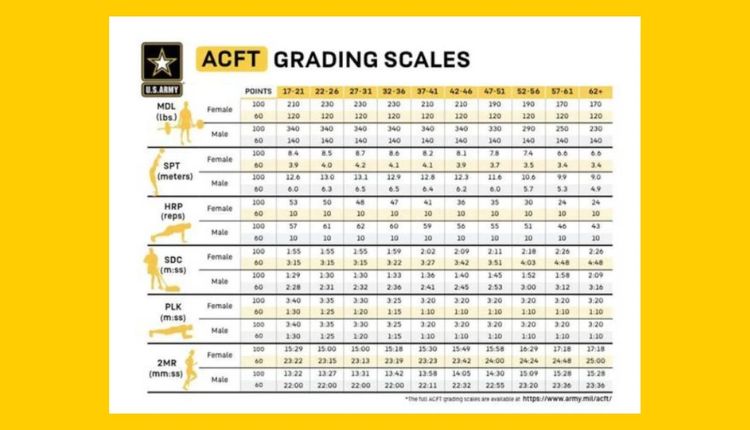
One of the most important aspects of the Army Points Table is the age group classification system. The Army recognises that physical performance can vary with age, so the scoring standards are adjusted accordingly.
Typically, age groups are divided into categories such as:
- 17-21 years old
- 22-26 years old
- 27-31 years old
- 32-36 years old
- 37-41 years old
- 42 years and over
Each group has its own scoring table that determines how many reps or how long a run is needed to earn certain points.
For example, younger soldiers may need to perform more push-ups to achieve a perfect score compared to older soldiers.
The purpose of these age-adjusted standards is to ensure fairness while maintaining a high level of physical fitness.
Age-based scoring allows the military to evaluate performance in a balanced manner without compromising operational effectiveness.
Although the standards vary slightly, each soldier must still meet a minimum number of points.
This system encourages continuous improvement in fitness throughout a soldier’s career while recognising the natural changes that occur with age.
Understanding the age group standards on the Army PT chart helps candidates set realistic training goals.
Scoring System
The Army’s PT chart scoring system assigns points based on performance in each exercise. The better the soldier performs, the higher the score.
Each exercise is usually worth up to 100 points, so the total score is a maximum of 300 points.
A minimum passing score is usually required for each event, as well as for the overall test.
Example of a scoring structure:
- Shyby: up to 100 points
- Sit-ups: up to 100 points
- Two Mile Run: up to 100 points
To pass the test, soldiers must often achieve:
- Minimum 60 points per action
- Minimum total score of 180 points
A higher score demonstrates excellent physical fitness and can positively influence military career progression.
The scoring table indicates the number of repetitions or running time required to obtain specific point values.
For example:
- Faster runs earn more points
- More repetitions increase the score
The scoring system is designed to motivate soldiers to continuously improve their physical performance.
By studying the scoring system of the Army PT Table, candidates can understand exactly what goals they need to achieve in order to pass the test.
Preparation for Training
Preparing for the Army PT Chart Test requires consistent and well-planned training. Soldiers and recruits must simultaneously develop strength, endurance and stamina.
Effective preparation includes a combination of strength training, cardio training and flexibility exercises.
Key training strategies include:
- Daily exercise of push-ups and sit-ups
- Long-distance running
- Interval training
- Strength conditioning
Running is one of the most important parts of preparation, as the two-mile run greatly affects the overall score.
Many trainers recommend running at least three to four times a week.
Equally important is strength training. Exercises such as push-ups, planks and pull-ups help build the upper body strength needed to perform well.
Consistency is the most important factor in PT exam preparation. Regular training helps improve endurance and prevent injuries.
Proper rest and regeneration is also essential. Overtraining can lead to fatigue and reduced performance during the test itself.
Common Mistakes
Many candidates struggle in the Army PT chart test due to mistakes which can be avoided during preparation and testing.
Understanding these errors can significantly improve performance.
Common mistakes include:
- Lack of consistent training
- Ignoring running training
- Bad exercise form
- Inadequate recovery
One of the biggest mistakes is focusing only on strength training and neglecting cardiovascular endurance. Since the two-mile run is the main part of the test, running training must be prioritised.
Another common problem is improper form during push-ups or sit-ups. Improper technique may result in rep disqualification.
Candidates sometimes push themselves too hard before the test without allowing them adequate time to recover.
This can cause fatigue or minor injuries that negatively affect performance.
Mental preparation is also important. Anxiety or lack of confidence can reduce concentration during the test.
Avoiding these mistakes and maintaining a balanced training routine greatly increases the chances of success in the Army PT Table evaluation.
The Benefits of High Scores
Scoring high on the Army PT chart offers several benefits beyond just passing the aptitude test.
Strong physical performance reflects discipline, determination and readiness for demanding military tasks.
Benefits include:
- Greater opportunities for promotion
- Eligibility for specialised training
- Improved leadership potential
- Higher self-esteem and morale
Commanders often look at PT scores when selecting soldiers for advanced training programmes.
A high score demonstrates a soldier’s commitment to maintaining peak physical condition.
Physical fitness also reduces the risk of injury during training and surgery.
Soldiers with strong stamina and strength can perform tasks more efficiently and safely.
Another benefit is the improvement of personal health. Regular physical training improves cardiovascular health, muscle strength and overall well-being.
Maintaining excellent fitness levels through the Army’s PT chart standards helps Soldiers remain mission-ready and able to handle physically demanding challenges.
The Future of Army PT chart
The Army PT chart is constantly evolving as military training methods and physical fitness research improve.
Modern military forces are gradually introducing new fitness ratings that better reflect actual combat requirements.
For example, newer tests may include exercises such as:
- Deadlifts
- Sprint-drag-carry exercise
- Plank holds
- Power throws
These exercises test functional strength and agility in addition to traditional endurance measurements.
Technology also plays a role in future PT testing. Fitness trackers and digital performance tracking systems can be used to track training progress more accurately.
Despite these changes, the main goal remains the same: to ensure that soldiers are physically prepared for the challenges of military service.
The evolution of the Army’s PT chart reflects the Army’s commitment to maintaining high standards of physical readiness.
Future training programmes will likely combine traditional endurance exercises with modern functional fitness techniques.
Wrapping It Up
The Army PT chart is a vital tool used by military organisations to measure the physical readiness of soldiers. By evaluating exercises such as push-ups, sit-ups, and running, the chart provides a standardised method for assessing strength, endurance, and cardiovascular fitness.
Understanding how the PT chart works helps recruits prepare effectively for military aptitude tests. With proper training, discipline and consistency, candidates can achieve high scores and maintain the physical standards required for military service.
A strong performance on the PT chart not only ensures readiness for challenging tasks but also contributes to long-term health, career advancement and operational success.
Frequently asked questions
What is an Army Chart?
The Army chart is a scoring system used to rate a soldier’s physical fitness based on exercises such as push-ups, sit-ups, and the two-mile run.
What is the passing score for the Army PT test?
In many cases, soldiers must score at least 60 points for an action and 180 points overall to pass the test.
How often do soldiers take the PT test?
Soldiers typically take the PT test at least twice a year, although training units may conduct additional evaluations.
How can I improve my Army PT score?
You can improve your score by doing regular push-ups and sit-ups, increasing your running endurance, and following a structured fitness training programme.
Why is the Army chart important?
The Army PT chart ensures that Soldiers maintain the physical fitness necessary to perform demanding military duties and remain mission-ready.