Best ACFT Standards
whether you are an active-duty soldier, a recruit preparing to enter, or simply someone interested in military fitness. The Army Combat Fitness Test (ACFT) was designed to better measure a soldier’s overall readiness for modern combat situations. Unlike older fitness tests, the ACFT focuses on strength, endurance, power, agility, and mental toughness.
In this article, we’ll explore the ACFT standards in detail, explain each event, discuss scoring requirements, and help you understand how to meet and exceed expectations. This guide is written in a clear, humanised tone and structured in an SEO-friendly WordPress format for easy reading and publishing.
What are ACFT standards and why do they matter?
The ACFT standards refer to the minimum and maximum performance requirements that Soldiers must meet during six fitness events. These standards are not just about passing the test; they represent the military’s commitment to preparing soldiers for real physical demands.
ACFT matters because they directly affect a Soldier’s career, readiness, and deployment. Meeting the standards ensures that soldiers can perform tasks such as lifting equipment, sprinting under pressure, carrying injured teammates and maintaining endurance during extended missions.
Unlike previous fitness ratings, the ACFT emphasises functional fitness, which better reflects the physical challenges faced in combat environments.
Overview of the Army Combat Fitness Test
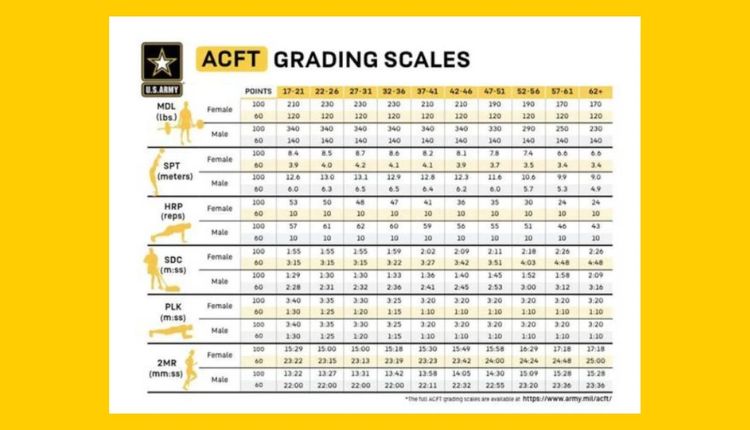
The Army Combat Fitness Test consists of six actions that are performed in a specific order. Each event measures a different aspect of physical fitness, making the ACFT standards more comprehensive than traditional tests.
The six ACFT events are:
- Three-rep max deadlift
- Standing throw
- Push-Up with manual release
- Sprint-Drag-Carry
- Plank
- Two-mile run
Each event has its own standards and scoring criteria. Soldiers must meet a minimum standard in any case to pass the test.
Three-rep max deadlift standards
The first event in the ACFT is a three-rep max deadlift, which measures lower body strength, grip strength, and core stability. According to ACFT standards, Soldiers must lift a minimum weight safely and with proper form.
This event simulates real tasks such as lifting heavy equipment or moving obstacles during combat. Proper technique is critical, as improper form can result in injury or disqualification.
Key areas of performance focus include:
- Strong hip drive and leg engagement
- Neutral spinal alignment
- Controlled lifting and lowering
Meeting ACFT deadlift standards requires consistent strength training and attention to form rather than brute strength alone.
Standing roll requirements
The standing power throw evaluates explosive strength and coordination. Soldiers throw a weighted ball backwards over their heads for maximum distance.
This event reflects the ability to generate explosive force, which is necessary for tasks such as throwing equipment, overcoming obstacles, or reacting quickly in high-stress situations. The ACFT standards for this event reward both technique and strength.
To improve performance, soldiers often focus on:
- Hip extension and explosive movement
- Shoulder mobility
- Core strength and timing
Mastering the technique can greatly improve results, even without a massive increase in strength.
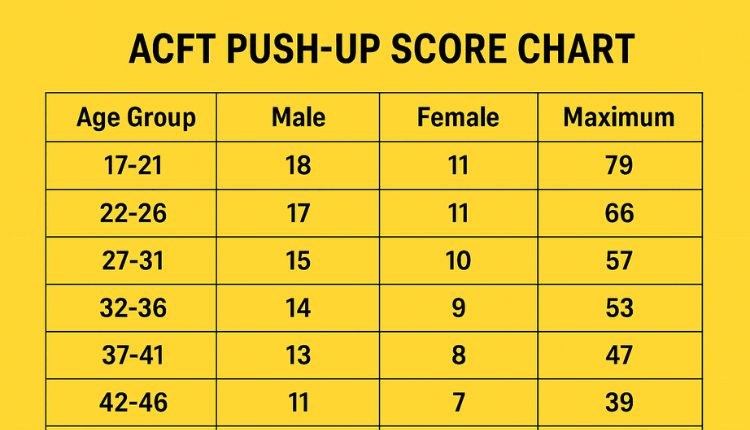
Push-ups and upper body endurance
The hand-release push-up is designed to test upper-body muscular endurance and core control. Unlike traditional push-ups, soldiers must lift their hands off the ground for each repetition.
The ACFT standards for this event emphasise proper form, full range of motion, and consistency. This movement ensures that the repetitions are fair and the muscles are fully engaged.
Upper body endurance plays a vital role in combat tasks such as pushing, lifting and supporting body weight for long periods of time.
Explanation of the Sprint-Drag-Carry event
One of the most challenging parts of the ACFT standards is the sprint-drag-carry event. This test measures speed, agility, strength and cardiovascular endurance all at once.
This event involves multiple movements such as sprinting, weight pulling, lateral shuffling, kettlebell carrying and sprinting again. It simulates the physical chaos of movement on the battlefield.
Soldiers fighting in this event often benefit from:
- High-intensity interval training
- Functional strength training
- Improved breathing control
This event highlights how standards prioritise realistic combat readiness over isolated fitness skills.
Board standards and core strength
The plank replaced older core exercises to better assess sustained strength and core stability. ACFT standards require Soldiers to hold the plank position for a specified minimum amount of time.
Core strength is essential for almost every physical task, from lifting heavy loads to maintaining posture under stress. Plank tests both physical endurance and mental discipline.
Consistent core training combined with proper breathing techniques can greatly improve plank performance.
Anticipated a two-mile run and endurance
The final event in the ACFT is a two-mile run, which measures aerobic endurance. Despite the strength-focused nature of ACFT standards, cardiovascular fitness remains a critical component.
Running is done after all previous actions have been completed, so managing fatigue is an important factor. Soldiers must move and maintain mental focus.
Improving running performance often involves:
- Mileage increases gradually
- Interval training
- Proper regeneration and hydration
Balancing strength and endurance training is key to meeting the overall standards.
ACFT scoring system and graduation criteria
ACFT uses a point scoring system, with each event contributing to the overall score. Under current ACFT standards, Soldiers must earn a minimum score in each event to pass.
Performance categories are often based on factors such as age and gender, ensuring fairness while maintaining readiness expectations. A higher score can positively impact career progression and leadership opportunities.
Understanding the scoring system helps Soldiers focus their training on areas of weakness while maintaining strengths.
Training tips to meet standards
Preparing for ACFT standards requires a balanced and structured training approach. Soldiers who train smart, rather than just hard, often achieve the best results.
Effective preparation strategies include:
- A combination of strength training and endurance training
- Practice event-specific movements regularly
- Prioritizing recovery and injury prevention
Mental preparation is just as important as confidence, and focus can make a huge difference to performance on test day.
Common errors that affect ACFT performance
Many soldiers struggle with standards due to avoidable mistakes. Poor technique, lack of preparation, and improper recovery are common issues.
Some frequent mistakes include:
- Ignoring mobility and flexibility
- Overtraining before the test
- Neglecting weaker fitness areas
Recognizing these pitfalls early can help soldiers improve their overall performance and confidence.
The Future of Standards
The ACFT standards continue to evolve as the Army gathers feedback and performance data. Adjustments aim to balance fairness, effectiveness, and combat relevance.
As training methods improve and understanding grows, soldiers can expect ongoing refinements that enhance readiness while reducing injury risk. Staying informed about updates is essential for long-term success.
Conclusion
The standards represent a modern approach to military fitness, focusing on real-world physical demands rather than outdated measurements. By testing strength, endurance, power, agility, and mental resilience, the Army Combat Fitness Test ensures soldiers are truly prepared for combat scenarios.
Meeting ACFT standards requires dedication, smart training, and consistency. With the right mindset and preparation, soldiers can not only pass the test but excel in it, building confidence and long-term physical readiness.
FAQs About Standards
What are standards?
ACFT are the minimum and maximum performance requirements for each event in the Army Combat Fitness Test, designed to measure overall combat readiness.
How many events are included in the ACFT?
The ACFT includes six events that test strength, power, endurance, agility, and core stability.
Is the ACFT harder than previous Army fitness tests?
Many soldiers find the ACFT more challenging because it measures functional fitness rather than just endurance, but it is also more realistic and balanced.
Can you fail the ACFT if you pass most events?
Yes, failing to meet the minimum standards in even one event can result in failing the entire test.
How can I improve my ACFT score?
Improving your ACFT score requires consistent training, proper technique, balanced workouts, and adequate recovery time.