ACFT Scores
Understanding the ACFT scores is essential not only for active-duty soldiers but also for recruits, trainers, and fitness enthusiasts looking to align their performance with military standards. This comprehensive guide explains how ACFT scoring works, what each event measures, and how you can improve your overall performance.
What are ACFT Scores?
The ACFT score represents a soldier’s physical abilities in various areas of fitness. Unlike older fitness tests, the ACFT assesses strength, endurance, agility and overall combat readiness. The test is designed to simulate real combat tasks and ensure soldiers are prepared for physically demanding situations.
The importance of ACFT scores goes beyond pass or fail. These scores directly affect promotions, assignments, and overall career progression in the military. A higher score means superior physical fitness, which can open the door to elite roles and specialized units.
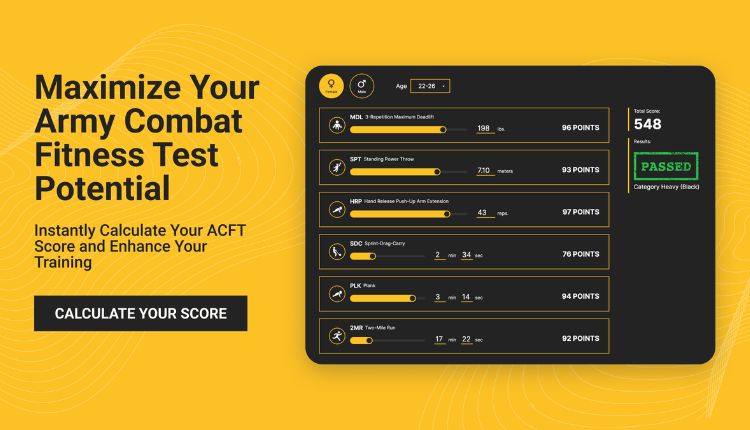
Each soldier receives scores for six different events and these scores are combined to create a total score. The maximum total is 600 points, with each event contributing up to 100 points. To pass the test, a minimum score must be achieved in each discipline and overall.
ACFT also help identify areas where a soldier needs improvement. For example, a high endurance score but a low strength score indicates a need for strength training. This targeted approach makes the ACFT not only a test but also a valuable tool for fitness assessment.
In addition, ACFT assessments are gender-neutral and age-based, meaning that standards are adjusted to ensure fairness while maintaining high performance expectations. This ensures that all soldiers are evaluated against realistic and relevant benchmarks.
Breakdown of Six ACFT Events
The ACFT consists of six events, each designed to test a different aspect of physical fitness. Understanding these events is essential to improving your ACFT score.
Three-Rep Maximum Deadlift (MDL).
It measures lower-body strength by lifting a weighted barbell.
Standing Throw (SPT)
Test explosive power by tossing a medicine ball backward over the head.
Hand Release Cranks (HRP)
It assesses endurance and upper body strength.
Sprint-Drag-Carry (SDC)
It assesses speed, agility and ACFT Scores anaerobic endurance through a series of sprints and transfers.
Plank (PLK)
It measures core strength and stability.
Two Mile Run (2MR)
It tests cardiovascular endurance.
Each event contributes equally to the ACFT Scores overall score, so it’s important to perform well in all areas rather than excel in just one or two.
The variety of these events ensures that soldiers are versatile in their fitness. It also prevents individuals from relying solely on their strengths and neglecting their weaknesses.
Training for these events requires a balanced conditioning routine that includes strength training, cardio, flexibility and functional movements.
How ACFT Scores are Calculated
ACFT scores are calculated based on performance in each event. Each event is rated on a scale of 0 to 100 points, with specific benchmarks determining the score.
For example, lifting heavier weights in the deadlift results in higher points, while faster times in the sprint-drag and two-mile run give better scores. Similarly, more reps in pull-ups and longer plank durations lead to higher points.
The total ACFT score is the sum of all six event scores:
- Maximum total score: 600 points
- Minimum number of points: 360 points
- Minimum for the event: 60 points
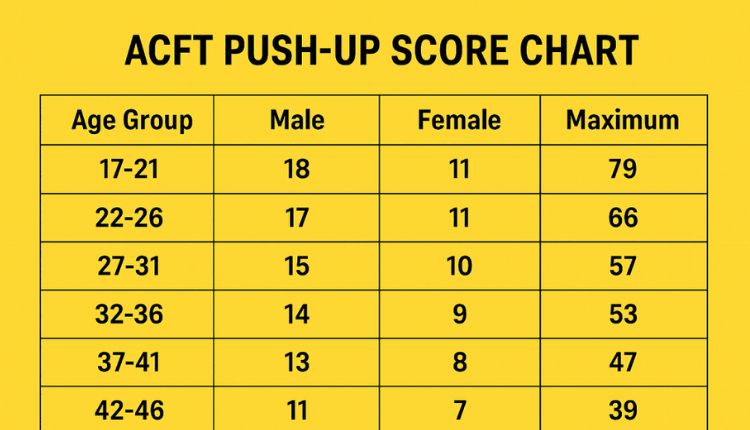
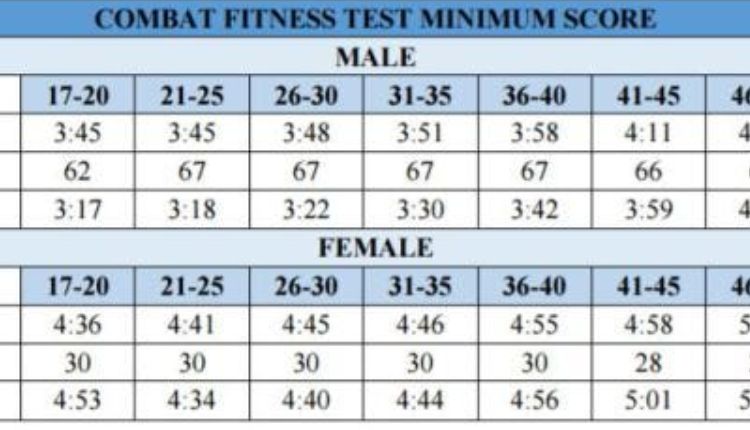
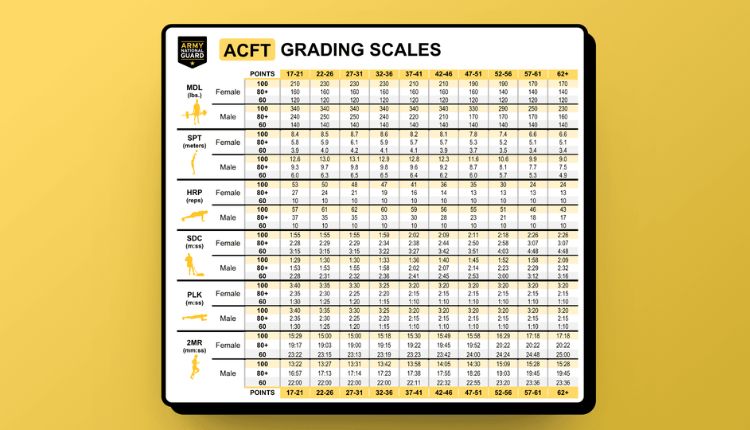
Scoreboards are used to convert raw performance into points. These tables differ by age and gender categories, ensuring fairness across different groups.
It is important to note that failure of even one event may result in failure of the entire test, regardless of the total score. Therefore, consistent performance in all events is critical.
The scoring system promotes balanced fitness and discourages over-specialisation. Soldiers must maintain good physical condition to achieve a high ACFT score.
ACFT Score Standards and Requirements
ACFT score standards are designed to reflect the physical demands of military duties. These standards vary depending on the soldier’s role, age, and gender.
There are different performance categories:
- Gold Standard (High Performance)
- Gray Standard (Medium Power)
- Black Standard (basic requirement)
Combat roles usually require a higher score compared to non-combat roles. This ensures that soldiers in physically demanding positions meet higher fitness demands.
Age categories also affect scoring standards. Younger soldiers are generally expected to perform at higher levels, while older soldiers have slightly adjusted benchmarks.
ACFT standards are continually revised and updated to ensure they remain relevant to modern combat scenarios. This dynamic approach helps maintain the effectiveness of the military force.
Meeting the minimum requirements is essential, but aiming for a higher score is always beneficial for career growth and overall fitness.
Tips to Improve your ACFT Score
Improving your ACFT score requires a strategic approach to training. Focusing on all six actions ensures balanced development and better overall performance.
Here are some effective tips:
Strength training
Include deadlifts, squats and resistance exercises to build muscle strength.
Cardio exercise
Regular running and interval training improve two-mile endurance.
Basic exercise
Planks, sit-ups and rotational movements increase core stability.
Practice test events
Simulate ACFT conditions during training to gain familiarity and confidence.
Regeneration and nutrition
Proper rest and a balanced diet are essential for optimal performance.
Consistency is key. Regular training and monitoring of progress can significantly improve ACFT scores over time.
It is also important to identify weak points and focus on improving them. For example, if sprint-drag-and-drag is challenging, incorporate agility into your routine.
Common Mistakes that Lower Your ACFT Score
Many individuals struggle with ACFT scores due to avoidable mistakes. Understanding them can help improve performance.
Neglecting certain events
Focusing only on strengths and ignoring weaknesses can lead to failure.
Bad technique
Improper form in exercises like deadlifts and push-ups can lower your score and increase your risk of injury.
Insufficient preparation
Not training specifically for ACFT events can result in poor performance.
Overtraining
Excessive training without proper recovery can lead to fatigue and reduced performance.
Ignoring nutrition
A poor diet can negatively affect energy levels and overall fitness.
Avoiding these mistakes requires proper planning, leadership and discipline. Working with a trainer or following a structured programme.
ACFT Scores and Career Impact
ACFT scores play a significant role in a soldier’s career. A high score can lead to better opportunities and recognition in the military.
Promotions often consider physical fitness a key factor. Soldiers with higher ACFT scores are more likely to be selected for leadership roles and specialized units.
Additionally, some assignments require a minimum ACFT score. Failure to meet these requirements may limit career opportunities.
ACFT scores also reflect discipline ACFT Scores and commitment, qualities that are highly valued in the military. Maintaining a high level of fitness demonstrates preparedness and professionalism.
In addition to career benefits, achieving strong ACFT scores contributes to overall health and well-being. It reduces the risk of injury and improves physical endurance.
Future Changes and Updates to the ACFT rating
ACFT is constantly evolving to meet the changing demands of modern warfare. Updates to scoring systems and standards are expected as new research and feedback is incorporated.
Future changes may include ACFT Scores adjustments to leaderboards, event adjustments, or new performance categories. The goal of these updates is to improve fairness, accuracy, and relevance.
Technology may also play a role in future ACFT assessments, with advanced tracking and analytics providing more detailed insights into performance.
Being informed about these changes is important for anyone preparing for the ACFT. Adapting training strategies based on updated standards can help maintain high scores.
The evolution of the ACFT rating reflects the Army’s commitment to maintaining a strong and capable force.
Conclusion
The ACFT score is a critical measure of physical readiness and overall fitness in the military. Understanding how the scoring system works, what each action measures and how to improve performance can have a significant impact on achieving success.
By focusing on balanced training, avoiding common mistakes, and constantly monitoring changes, individuals can improve their ACFT scores and improve their career prospects. Whether you’re preparing for a test or just trying to improve your fitness, ACFT provides a comprehensive framework for achieving peak physical performance.
Frequently asked questions about ACFT scores
What is the pass score for the ACFT?
The minimum number of points to ACFT Scores pass is 360 points, with at least 60 points required in each discipline.
How many events are there in the ACFT?
There are six events, each testing different aspects of fitness.
What is the maximum ACFT score?
The maximum possible score is 600 points.
Can you fall into one event and still make it through?
No, failure of any single event causes the entire test to fail.
How often is ACFT performed?
Typically, soldiers are required to complete the ACFT twice a year.
Does age affect ACFT?
Yes, scoring standards vary by age and gender category.
What is the hardest ACFT event?
This varies from individual to individual, but for many, the sprint-drag-carry and two-mile runs are the most challenging.
How can I improve my ACFT score quickly?
Focus on consistent training, proper nutrition, and practice all six actions regularly.