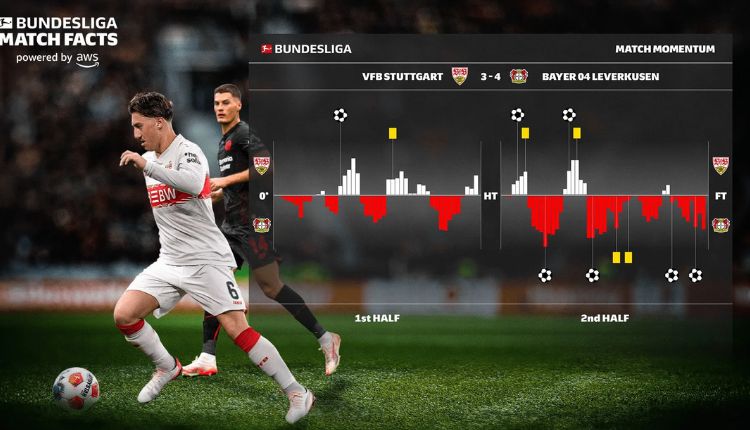
Using Statistical Websites to Select Bundesliga Matches in the 2018/2019 Season
Statistics have long shaped football analysis, but in the 2018/2019 Bundesliga season, data-driven bettors began to integrate web-based statistical tools into their match selection workflow. At that intersection of efficiency and precision, they discovered that raw numbers only mattered when contextualized through tactics, motivation, and market interpretation.
Why Statistical Websites Became Central to Match Selection
With dozens of matches weekly and fluctuating odds, bettors faced information overload. Statistical databases condensed performance patterns into accessible insights. Websites displaying xG, possession zones, and pressing metrics allowed sharp analysts to isolate anomalies—teams performing better than results suggested. For disciplined bettors, this became a time-saver and accuracy booster.
Extracting Actionable Metrics from the Noise
Not every data point holds predictive value. The challenge lies in filtering. A practical approach uses summary-level stats correlated with win probability—ignoring redundant variables that inflate complexity without adding confidence. Bettors began distinguishing between descriptive data and forward-looking signals.
Core useful metrics for 2018/2019 analysis:
- Expected Goals (xG) – revealed genuine attacking quality beyond sheer shot count.
- Passing Sequences in Final Third – indicated system fluidity and sustained pressure.
- Pressure Events (PPDA) – exposed defensive aggression trends.
- Rest Differential – captured fatigue signals crucial for fixture congestion.
After combining these signals into a structured table, bettors converted statistical imbalance into betting edges—especially when odds had yet to reflect team improvement trajectories.
The Process of Data Simplification
Turning raw data into usable insight required standardization. While Bundesliga stats came from multiple sites, consistency across indicators mattered more than volume. Simplified ratios—goals per xG, win probability per possession zone—became core benchmarking tools to avoid distortions from different data providers.
Table: Simplified Data Conversion Example
| Metric | Base Stat | Simplified Ratio | Interpretation |
| xG to Goals | 52.4 : 45 | 1.16 | Underperformance—likely positive regression |
| PPDA vs. League Mean | 8.2 : 11.5 | 0.71 | High pressing intensity |
| Conversion Rate | 12.3% | — | Inefficient finishing pattern |
| Rest Days per Match | 6.1 | — | Above-average freshness |
The simplified presentation accelerated daily review cycles. Instead of reading full match reports, bettors identified actionable mismatches between perceived and statistical form.
Using UFABET to Align Data and Market Timing
In situations where data suggested potential mispricing, analysts often cross-checked odds through agile digital infrastructures that supported quick execution. Within this evaluative framework, observing tool-assisted behavior on ufabet demonstrated how users traced statistical insights into betting actions. The sports betting service provided fluid market access for timing-based interventions—allowing bettors to confirm whether market sentiment had already absorbed the edge indicated by xG or PPDA trends. This created a feedback loop between statistical analysis and market verification.
Avoiding Data Trap Bias
Overreliance on statistical models breeds its own risks. Not every numerical mismatch implies value. Teams undergoing tactical shifts—coaching changes, formation adjustments, or squad rotation—often distort trends. Bettors who ignored narrative context fell into “data traps,” assuming stability where chaos reigned. Data must always be lag-aware; figures record the past, while odds anticipate the future.
Validating Patterns Through casino online Probability Frameworks
Betting tools share conceptual DNA with probabilistic modeling in other domains. Observing the workings of a casino online website reinforces that predictable probabilities remain stable only under controlled conditions. Football, by contrast, features dynamic feedback—form, momentum, and tactical evolution. Understanding this contrast prevents misunderstanding randomness as trend. For decision-makers using football stats, thinking probabilistically—rather than deterministically—keeps logic intact under outcome variance.
When to Trust Models Over Market
The distinction between efficient and inefficient odds rests on timing. In early Bundesliga matchweeks of 2018/2019, bookmakers underweighted tactical overhauls in clubs like Borussia Mönchengladbach, whose pressing metrics spiked before results caught up. Those who trusted data saw outsized reward before odds adjusted. Yet by midseason, models converged with market expectation—shrinking margins. Therefore, statistical edges are perishable assets; foresight expires once information turns public.
Integrating Multi-Source Data for Confirmation
The best bettors verified consistency across independent statistical websites. Cross-referencing ensured data accuracy and exposed anomalies. When xG numbers from one source diverged sharply from another, that variance became a signal for manual inspection. Consensus among data providers fostered confidence; disagreement invited caution, preserving analytical discipline.
Summary
Using statistics websites to analyze Bundesliga 2018/2019 matches elevated pre-match logic from intuition to structured reasoning. Yet, the true value lay not in quantity of data, but in its selective application. Bettors who validated numbers against tactical narrative and market movement translated data into profitable decision-making. Statistics proved powerful only when treated as context-aware probabilities, not deterministic forecasts—bridging the gap between information and judgment.
