PT Test Calculator
Many military organisations, law enforcement agencies, and fitness programmes use physical fitness tests to measure endurance, strength, and overall physical fitness. Calculating these scores manually can sometimes be confusing, as scoring systems often depend on age, gender, and performance standards.
The PT Test Calculator simplifies this process by automatically converting raw performance results—such as push-ups, sit-ups, or running—into an official score. This tool is especially useful for applicants who are preparing for military entrance exams or aptitude tests.
In this article, we’ll explore how the test calculator works, why it’s useful, and how you can use it to improve your physical training performance.
What is a PT test calculator?
The PT Test Calculator is an online or digital tool designed to calculate your physical fitness test score. It takes results from various exercises and converts them into a final score based on official standards.
Many organisations use physical training tests to assess physical ability. Instead of manually comparing results to score tables, the calculator can instantly generate a final score.
Most PT tests include exercises that measure strength, endurance, and cardiovascular fitness. These exercises often include push-ups, sit-ups, and timed runs. The Test Calculator analyses these values and calculates your overall performance.
The main purpose of the calculator is to simplify the scoring process. Without it, individuals would have to check long scorecards to find their results.
Typical information required for the Test Calculator includes:
- Age group
- Gender
- Number of push-ups completed
- Number of sit-ups completed
- Running time
- Optional additional exercises depending on the test
After entering this information, the calculator will process the data and display the score for each event as well as the overall score.
Many candidates use this tool during the preparation period. It helps them understand where they are and what areas they need to improve.
Another advantage is that the calculator provides quick feedback. Instead of waiting for official results, individuals can instantly estimate their performance.
Thanks to its convenience and accuracy, the Test Calculator has become an essential tool for fitness assessment preparation.
How the PT test calculator works
Understanding how the PT Test Calculator works can help users trust the results and use the tool more effectively.
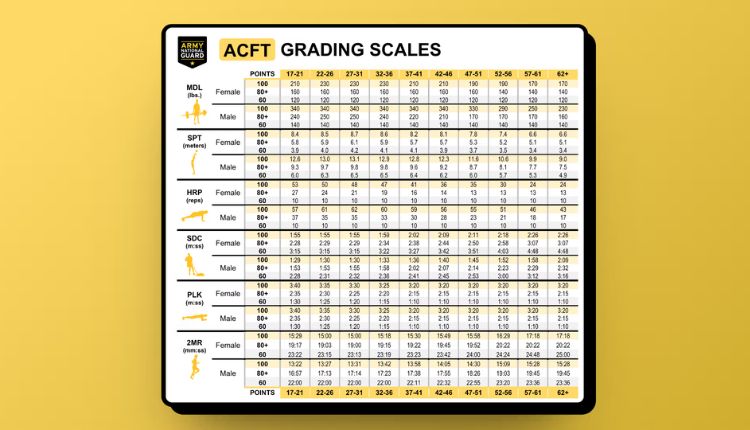
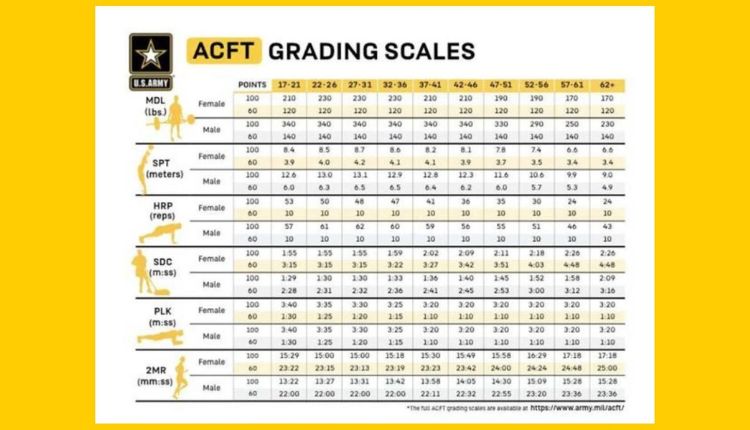
The calculator works by comparing your exercise performance to official scoreboards. These tables are usually provided by the organisation conducting the aptitude test.
When you enter performance data, the calculator follows a specific process:
- It identifies your age and gender category
- Compares your exercise results to scoring standards
- It assigns points to each activity
- It automatically calculates the final score
For example, if someone completes a certain number of push-ups in the required time, the calculator compares that number to the corresponding score from the official scoreboard.
Similarly, uptime is compared to standard performance levels. Faster operating times usually lead to higher scores.
The tool then adds up all the individual exercise scores to determine a total PT score.
Many advanced PT calculators also provide additional information, such as:
- The status is pass or fail
- Required upgrades for higher scores
- Estimated fitness level
- Comparison of performance with standards
This makes the calculator not only a scoring tool but also a training guide.
Another advantage is accuracy. Manual calculations can lead to errors, especially when working with multiple categories. The Test Calculator eliminates this risk by automating the entire process.
Because of these features, the calculator has become widely used among athletes, military candidates, and fitness enthusiasts.
Benefits of using a test calculator
Using the PT Test Calculator provides several benefits to individuals preparing for a physical fitness assessment.
One of the biggest advantages is convenience. Instead of manually checking score tables, the calculator provides results in seconds.
This tool is especially useful for candidates who regularly monitor their training progress.
Key benefits include:
- Instant score calculation
- Easy performance monitoring
- Accurate results
- Better training planning
- Quick identification of weak points
The calculator also helps individuals stay motivated. When people see their progress in numbers, it encourages them to keep improving.
Another important advantage is preparation for official tests. Using the calculator during training, candidates can estimate their potential test scores before the exam itself.
This allows them to adjust their exercise routines accordingly.
For example, if someone notices that their running score is low, they can focus more on endurance training.
Fitness trainers also use test calculators to evaluate participants and track improvement over time.
Additionally, many online calculators provide detailed score breakdowns for each exercise. This makes it easier to understand which component contributes the most to the final score.
These benefits make Test Calculators increasingly popular among the fitness community.
Not only do they save time, but they also improve your overall training strategy.
Exercises included in PT tests
A typical physical training test consists of several exercises designed to measure different aspects of fitness.
These exercises focus on strength, endurance and cardiovascular performance.
Most PT tests include the following activities:
- Shyby
- Sit-ups or basic exercises
- A timed running event
- Sometimes pull-ups or plank exercises
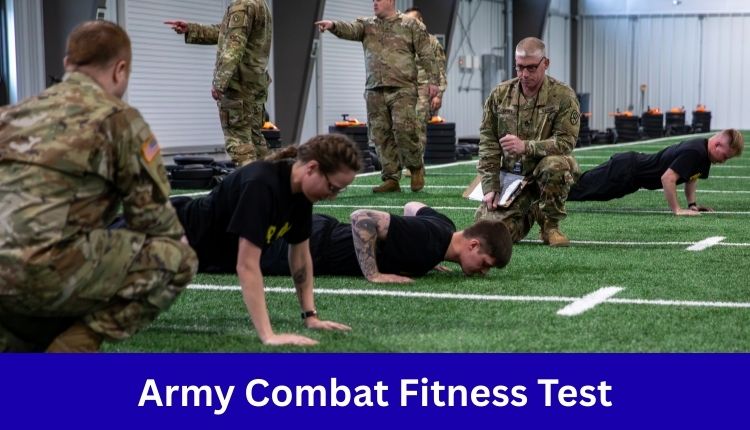
Push-ups are commonly used to measure upper body strength. The number of push-ups performed in a certain time determines the score.
Sit-ups assess core strength and muscular endurance. Participants typically perform as many sit-ups as possible within a fixed time limit.
The running event measures cardiovascular endurance. It often involves running a certain distance, such as 1.5 miles or 2 miles, in the shortest possible time.
Additional exercises may be included in some tests. These can include planks, pull-ups or sprint events.
Each exercise contributes a certain number of points to the total PT score.
The PT test calculator uses these exercise results to estimate your final performance score.
By understanding the exercises included in the PT tests, candidates can train more effectively.
Training programmes usually focus on improving strength, endurance and speed at the same time.
This balanced approach helps individuals perform better in all parts of the test.
How to use the test calculator
Using the PT Test Calculator is simple and usually requires only a few steps.
Most calculators are designed to be user-friendly and allow anyone to quickly calculate their score.
To use the test calculator, follow these steps:
- Enter your age group
- Select your gender
- Enter the number of push-ups completed
- Enter the session results
- Add the runtime
- Click the calculate button
Once the data is entered, the calculator will process the information immediately.
The result usually includes:
- Individual score for each exercise
- Total PT score
- The result is pass or fail
- Assessment of fitness performance
Some advanced calculators also provide visual graphs showing performance improvement over time.
Another useful feature is setting goals. Some calculators allow users to set a target score and estimate the desired exercise output needed to reach it.
This can be extremely helpful for individuals preparing for competitive aptitude tests.
It is important to enter accurate performance data to obtain reliable results.
Regular use of a calculator during training can help track progress and identify improvements.
Over time, this can lead to better preparation and higher scores on official PT tests.
Tips for improving your PT test score
Improving PT test scores requires consistent training and proper preparation.
The PT Test Calculator can help identify weaknesses, but real improvement comes from effective practice and disciplined training.
Here are some practical tips to improve PT performance:
- Train regularly throughout the week
- Focus on both strength and endurance
- Gradually improve your running speed
- Practice proper exercise techniques
- Maintain a balanced diet
- Stay hydrated during your workout
Strength exercises such as push-ups, planks and pull-ups can greatly improve muscular endurance.
Cardio workouts like running, cycling, or swimming help improve cardiovascular fitness.
Practising the exact exercises used in the PT test is also important. This helps the body adapt to the test format and improves efficiency.
Rest and regeneration are equally important. Overtraining can reduce performance and increase the risk of injury.
Many athletes use the Test Calculator after each workout to track their improvement.
By regularly comparing scores, they can measure progress and stay motivated.
Combining proper training with score tracking creates a structured approach to achieving higher PT results.
Common mistakes in PT test preparation
Many candidates make mistakes during PT test preparation that can negatively affect their final score.
Understanding these mistakes can help individuals avoid them and perform better.
A common mistake is to focus on only one type of exercise. Some people train heavily in push-ups but neglect running or core strength.
Another mistake is inconsistent training. Skipping exercises or irregular training can slow progress.
Other common preparation mistakes include:
- Poor warm-up before training
- Ignoring proper exercise form
- Overtraining without rest
- Lack of proper nutrition
- It doesn’t track progress
Using the PT Test Calculator can help reduce some of these errors. By monitoring scores regularly, candidates can identify areas that require improvement.
Another problem is unrealistic expectations. Many individuals expect quick results without consistent effort.
Getting fit takes time and it takes commitment.
It is also important to simulate real test conditions during training. Practising exercise in measured conditions helps build confidence and endurance.
Avoiding these common mistakes can greatly improve your PT test performance and overall fitness level.
Choosing the Best Test Calculator
Not all PT test calculators are created equal. Some provide more functionality and accuracy than others.
There are several factors to consider when choosing a calculator.
Important features to look for include:
- Accurate scoring standards
- Easy-to-use interface
- Support for multiple age groups
- Detailed performance analysis
- Mobile compatibility
A good test calculator should also regularly update its grading standards. Fitness test requirements may change over time, so accurate updates are necessary.
Some calculators also allow users to save their results and track long-term progress.
Mobile-friendly calculators are especially useful because users can access them during workouts or training sessions.
Another useful feature is personalised feedback. Some advanced tools provide suggestions for improving specific exercises.
This helps users focus on the areas that will improve their overall PT score the most.
Choosing a reliable calculator ensures accurate results and better training management.
With the right tool, individuals can effectively track their progress and prepare for physical fitness tests with confidence.
What’s Next?
The PT Test Calculator is a powerful and practical tool for anyone preparing for a physical fitness test. It simplifies the scoring process, provides instant results and helps individuals track their progress during training.
By entering exercise results such as push-ups, sit-ups, and run times, users can quickly estimate their PT scores and identify areas that need improvement. This makes the calculator not only a scoring tool but also an important part of a structured training plan.
Combined with regular exercise, proper nutrition, and disciplined preparation, the Test Calculator can help individuals perform better and pass physical fitness assessments.
Frequently asked questions
What is the Test Calculator?
The PT Test Calculator is a tool that converts physical fitness test results into a final score based on official scoring standards.
Is the Test Calculator Accurate?
Yes, if the calculator uses the official scoring tables and the correct input data, it can provide very accurate score estimates.
Can I use the Test Calculator during training?
Yes, many people use it regularly during training to monitor progress and evaluate their performance.
What exercises are included in most PT tests?
Most PT tests include push-ups, sit-ups, and timed runs to measure strength and endurance.
Does age affect PT test results?
Yes, many PT scoring systems adjust performance standards based on age and gender categories.