CFT Calculator USMC
The CFT calculator USMC is specifically designed to measure a Marine’s functional fitness, endurance, and combat readiness under simulated battlefield conditions. Unlike traditional fitness ratings, CFT reflects actual military requirements.
In this comprehensive guide, you’ll learn how the USMC CFT calculator works, how scores are calculated, what standards you must meet, and how to strategically improve your performance.
What is CFT USMC
The CFT calculator USMC is a physical assessment administered by the United States Marine Corps to measure combat-related fitness. It complements the Physical Fitness Test (PFT) by focusing more on high-intensity, combat-orientated movements.
The CFT consists of three main events:
- Move to Contact (MTC)
- Ammunition Charge (ACL)
- Manoeuvre under fire (MANUF)
Each event simulates real combat activities such as sprinting under pressure, lifting equipment, and manoeuvring under stress. The goal is to ensure that the Marine Corps is operationally ready.
The USMC CFT Calculator allows Marines to enter the results of their actions and get an estimated score based on the official Marine Corps scoring charts. These charts are age and gender specific. The scoring system ensures fairness while maintaining high standards of performance.
Marines must complete the CFT every year. Active duty Marines typically complete it between July and December. Scores affect promotion, reenlistment eligibility, and overall fitness.
Understanding how the USMC CFT calculator interprets your performance is critical. It helps to identify weaknesses and strengths so that you can improve before the official testing.
Distribution of the CFT calculator USMC
To properly use the CFT calculator USMC tool, you must understand each event in detail.
Movement to Contact (MTC) is an 880-yard sprint performed in boots and a utility uniform. Measures speed and anaerobic endurance. Faster times earn more points.
The Ammo Can Lift (ACL) involves CFT Calculator USMC lifting a 30-pound ammo can overhead as many times as possible in two minutes. This event measures upper-body muscular endurance.
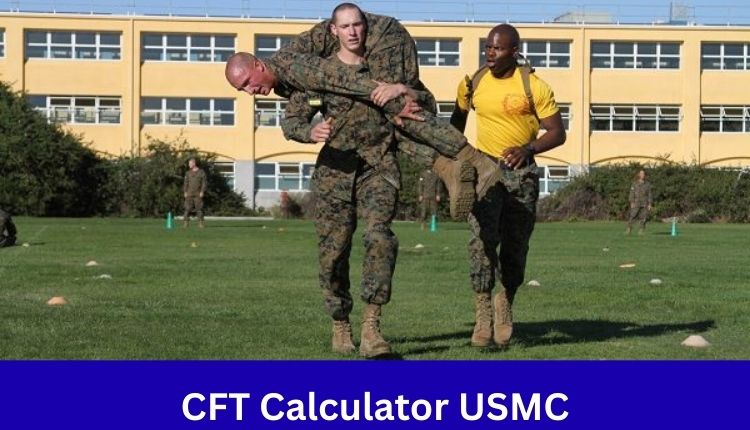
Manoeuvre Under Fire (MANUF) is the most complex event. Includes:
- 300-yard shuttle
- Browsing
- Carrying a fellow Marine
- Simulation of throwing a grenade
- Agility sprint
MANUF tests strength, agility, coordination and mental endurance under fatigue.
Each event contributes a maximum of 100 points, so the total possible score is 300 points. The USMC CFT calculator combines these three scores to determine your overall classification.
A high-performance marine strives for a first-class score. Proper preparation is necessary for each event, as a poor performance in one area greatly affects the overall results.
CFT Calculator USMC Rating
The CFT calculator USMC uses official Marine Corps scoring charts to convert performance results to points.
Each event is scored based on:
- Age group
- Gender
- Time or number of repetitions
For example, younger Marines typically have to meet stricter standards compared to older age groups. Scoreboards fairly adjust expectations while maintaining preparedness standards.
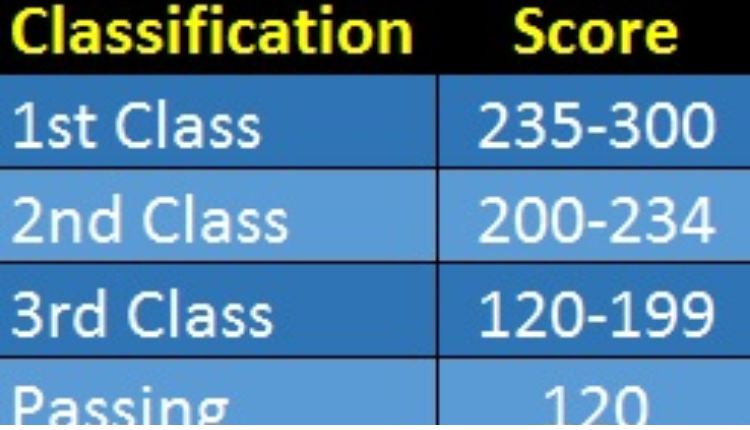
The score classifications are:
- First class
- Second class
- Third class
- Failure
Generally, a score of 235 or higher qualifies as first class, although exact cutoffs depend on updated Marine Corps guidelines.
The calculator works like this:
- MTC time entry
- Specifying repeat ACLs
- Adding MANUF completion time
- Selection of age and gender category
The tool then calculates individual event points and a total score.
Using the USMC CFT calculator regularly allows the Marine Corps to:
- Predict official test results
- Set realistic improvement goals
- Identify performance gaps
- Track your fitness progress over time
Tracking data consistently ensures that you won’t be surprised during the official assessment.
Why the calculator matters
The CFT calculator USMC is not just a scoring tool. It is a strategic planning tool for the Marine Corps.
Without knowing your approximate score, you risk underperforming due to poor judgement of your readiness. Clarity is provided by the calculator.
Benefits include:
- Setting goals based on real numbers
- Training adjustments before the official test
- Promotion planning support
- Competitive benchmarking
Marines who aspire to leadership positions must maintain high standards of fitness. A strong CFT score demonstrates combat readiness and discipline.
Additionally, using a calculator helps reduce test anxiety. Once you know your expected score range, you can focus purely on execution rather than worrying about results.
In a competitive environment like the United States Marine Corps, preparation separates the average from the exceptional. A calculator is part of this preparation.
Ultimately, data-driven training yields better results than guesswork.
Training for high scores
Improving your CFT calculator USMC score requires targeted preparation. Each event requires different physical properties.
Contact for movement:
- Train interval sprints
- Focus on explosive launches
- Sometimes train in shoes
- Build anaerobic capacity
To lift ammo:
- Improve shoulder endurance
- Train overhead press
- Use high rep sets
- Strengthen adhesion
For manoeuvre under fire:
- Combine strength and cardio
- Practice the shuttle
- Working on agility drills
- The partner carries the train
Regeneration is equally important. Overtraining can reduce performance. Proper sleep, hydration and nutrition support optimal performance.
Mental resilience also plays a role. The MANUF event primarily requires calmness under fatigue.
Using the USMC CFT calculator weekly during training cycles helps measure progress. Small improvements in time or reps can significantly increase your overall score.
Structured training combined with score tracking produces consistent results.
Common mistakes in scoring
Many Marines do not understand how scoring works, which leads to avoidable mistakes.
Common mistakes include:
- Ignoring age differences
- Underestimating the importance of MANUF
- Not practicing transitions
- Poor stimulation during MTC
Some assume that extremely good performance in one action can compensate for weakness in another. While high scores help, very low scores can lower your overall ranking in any case.
Another mistake is not using the CFT calculator USMC before official testing. You cannot plan strategically without estimating your score.
Improper technique also reduces efficiency. For example, in the Ammo Can Lift, poor form wastes energy and limits reps.
The preparation must be balanced. Training only strength and neglecting speed or agility creates an imbalance.
Avoiding these mistakes improves not only your score but also your overall combat readiness.
Comparison with PFT
The CFT differs from the Physical Fitness Test (PFT) in structure and purpose.
PFT focuses on:
- Pull-ups or push-ups
- Plank
- Three-mile run
CFT focuses on:
- Combat simulation
- Explosive movement
- Stamina
- Agility
Both are required by the United States Marine Corps, but test different areas of fitness.
The PFT measures general endurance and muscular endurance, while the CFT evaluates battlefield performance.
Using the CFT calculator USMC is not a substitute for tracking the PFT, but both should be tracked together.
Marines striving for overall excellence must maintain high scores on both assessments.
Understanding the difference ensures balanced training and complete readiness.
Tips for consistency
Consistency determines long-term success in CFT performance.
Key strategies include:
- Train all year round
- Track progress weekly
- Focus on weaknesses
- Maintain a healthy body composition
- Practice the order of events
Using the CFT calculator USMC regularly builds accountability. The numbers show whether you are improving or stagnating.
Set monthly performance goals and adjust your training intensity accordingly.
Include mobility training to prevent injury. Flexibility supports agility during MANUF.
Finally, simulate full CFT practice runs. Exercising consecutively prepares your body for cumulative fatigue.
Consistent effort, disciplined tracking, and strategic training lead to consistently high performance.
Conclusion
The CFT calculator USMC is an essential tool for any Marine striving for excellence in the Combat Fitness Test. Understanding the scoring mechanism, event schedules, and training strategies will give you a competitive edge.
The Combat Fitness Test reflects the operational requirements of the United States Marine Corps. Intelligent training ensures readiness not only for evaluations but also for real missions.
Use the calculator often, train purposefully, avoid common mistakes and focus on continuous improvement. A high CFT score can be achieved with discipline, data and determination.
Frequently asked questions
What is the maximum CFT score in the USMC?
The maximum score is 300 points, with 100 points available for each event.
How often do Marines take CFT?
Active duty Sailors typically complete the CFT annually between July and December.
Does age affect CFT scores?
Yes. Scoring standards vary by age and gender categories.
Is CFT harder than PFT?
The CFT calculator USMC is more focused on combat and explosiveness, while the PFT emphasises endurance.
Can I improve my CFT score quickly?
With structured training and consistent tracking using the USMC CFT calculator, noticeable improvement is possible within weeks.