Army PT Test Calculator
Whether you’re preparing for enlistment, active duty evaluation, or simply trying to reach your military fitness level, understanding how the calculator works can give you a big advantage.
In this comprehensive guide, you’ll learn all about the Army PT Test Calculator, how scores are calculated, how to improve your results, and how to use it effectively for long-term fitness success.
What is the Army PT Test Calculator?
The Army PT Test Calculator is a digital or manual tool used to estimate your military physical fitness test score. It takes your performance in various exercises and converts it into a standardised score based on age and gender categories.
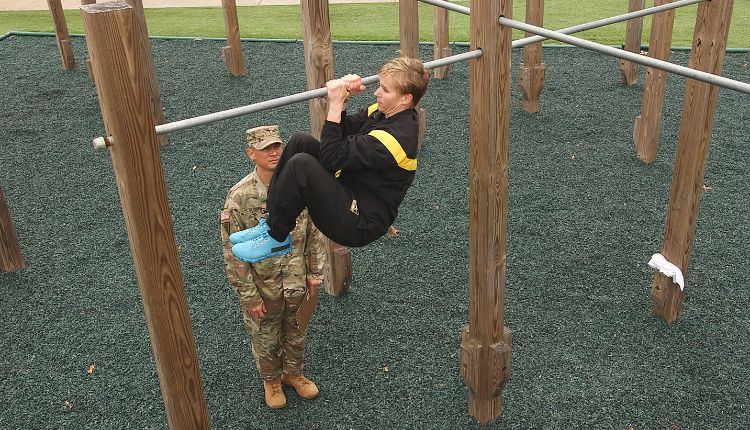
The traditional Army Physical Fitness Test (APFT) included three main exercises: push-ups, sit-ups, and a two-mile run. The newer Army Combat Fitness Test (ACFT) includes additional components such as deadlifts, sprint-drag-carries, and plank exercises. Regardless of the format, the calculator helps you determine how well you’re doing against official benchmarks.
The calculator works by assigning points to each activity. These points are based on performance thresholds. For example, completing a certain number of push-ups in a set time will earn a specific score. The same goes for sit-ups or run times. Once all the activities are rated, they are combined to give an overall fitness score.
Using the Army PT Test Calculator allows you to quickly assess your readiness without waiting for official testing. It also helps identify the strengths and weaknesses of your fitness profile. Many online versions are available, making it easy to enter results and get instant feedback.
This tool is especially useful for recruits and active employees who need to meet the minimum requirements. It gives a clear picture of whether you are losing or failing and how much improvement is needed.
How the Army PT Test Rating System Works
Understanding the scoring system is essential when using the Army PT Test Calculator. Each exercise in the test is scored individually and the total score is calculated by summing these individual scores.
For the APFT, each discipline is rated out of 100 points, with a minimum requirement of 60 points per discipline to pass. This means that a total minimum score of 180 points is required. ACFT, on the other hand, uses a more complex scoring system with six events each contributing to the overall score.
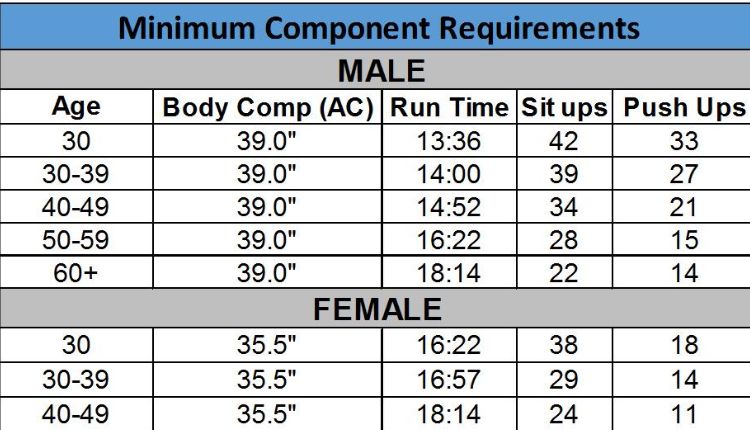
Scoring depends on several factors, including age and gender. Younger participants usually have higher performance standards, while older age groups may have modified requirements. This ensures fairness and realistic expectations for all participants.
This is how the evaluation process usually works:
- You perform each exercise within a certain time limit.
- Your performance (reps or time) is recorded.
- The calculator will compare your results with the official scoring tables.
- Points are awarded based on your performance level.
- All points are added together to give a total score.
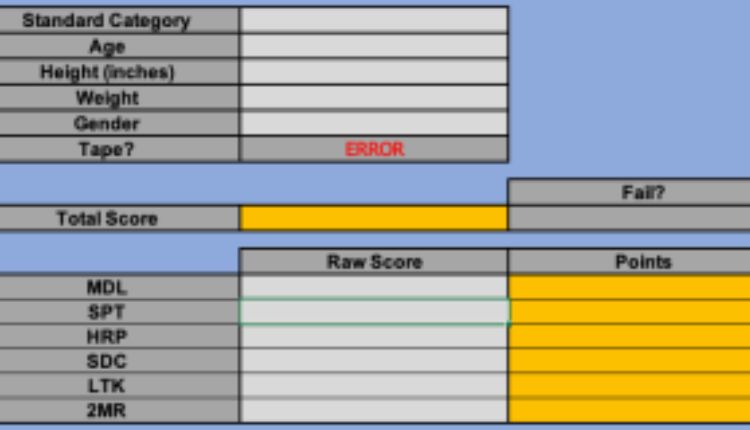
The calculator simplifies this process by automating the conversion. Instead of manually checking the charts, just enter the numbers, and you will receive an instant result.
It is important to note that the failure of one event usually means the failure of the entire test. Therefore, balanced performance across all exercises is essential. The calculator helps highlight weak areas so you can focus your training accordingly.
Key Components of the Army PT Test
The Army PT Test Calculator is based on specific physical activities that measure different aspects of fitness. These components are designed to assess strength, endurance and overall physical fitness.
The traditional APFT includes three main exercises:
- Push-ups to measure upper body strength
- Sit-ups to assess core strength
- A two-mile run to assess cardiovascular endurance
The newer ACFT contains six events, making it more comprehensive:
- Deadlift for lower body strength
- Standing throw for explosive power
- Hand-release push-ups for upper body endurance
- Sprint, drag, and carry for agility and stamina
- Board for core stability
- Endurance two-mile run
Each component focuses on a different area of fitness, ensuring a well-rounded assessment. The calculator takes inputs from these exercises and converts them into a score.
These components are not just random exercises; they reflect real military tasks. For example, the deadlift simulates lifting heavy equipment, while the sprint-drag-carry mimics movement on the battlefield.
By understanding these components, you can better prepare for the test. The calculator becomes more efficient when you know what each exercise represents and how it contributes to your total score.
Benefits of Using the Army PT Test Calculator
Using the Army PT Test Calculator offers several advantages for both beginners and experienced individuals. It provides clarity, motivation, and a structured approach to improving fitness.
One of the main advantages is accuracy. The calculator uses official scoring standards to ensure the reliability of your results. This eliminates the guesswork and helps you understand exactly where you stand.
Another advantage is convenience. You can use the calculator anytime, anywhere. Whether you’re in the gym or training outside, you can quickly enter your performance and get instant feedback.
The calculator also helps with goal setting. When you know your current score, you can set realistic goals for improvement. For example, if your push-up score is low, you can focus on increasing your reps over time.
Other benefits include:
- Tracking progress over time
- Identifying strengths and weaknesses
- Preparation for official tests
- Stay motivated with measurable goals
It also reduces stress before the actual testing. Knowing your estimated score makes you feel more confident and prepared. This mental advantage can significantly improve performance.
Overall, the Army PT Test Calculator is a powerful tool that supports both physical and mental preparation.
Common Mistakes to Avoid When Calculating PT Scores
While the army PT test calculator is simple to use, many people make mistakes that affect accuracy. Avoiding these errors ensures reliable results.
One common mistake is improper form during exercises. For example, incomplete push-ups or incorrect sit-up techniques can lead to inflated scores. Always follow official guidelines.
Another mistake is inaccurate timing. Using a rough estimate for your run time instead of a precise measurement can significantly impact your score. Always use a stopwatch or a reliable timing device.
Some users also input incorrect age or gender details. Since scoring standards vary, this can lead to completely inaccurate results.
Other mistakes include:
- Skipping warm-ups before testing
- Testing under non-standard conditions
- Overestimating performance
- Not updating results regularly
Ignoring weak areas is another issue. Some individuals focus only on their strengths and neglect weaker components. This can lead to failure in the overall test.
To avoid these mistakes, be honest and consistent. Accurate input leads to meaningful results, which ultimately help improve your fitness.
Tips to Improve Your Army PT Test Score
Improving your score requires a combination of smart training, consistency, and discipline. The army PT test calculator helps identify areas that need improvement, but actual progress depends on your effort.
Start by creating a balanced workout routine. Focus on all components of the test rather than just one area. Strength, endurance, and flexibility should all be included.
Consistency is crucial. Regular training sessions lead to gradual improvement. Skipping workouts can slow progress and reduce performance.
Here are some effective tips:
- Practise test exercises regularly
- Increase intensity gradually
- Maintain proper nutrition
- Stay hydrated
- Get enough rest and recovery
Interval training can improve running performance, while strength training helps with push-ups and deadlifts. Core exercises are essential for sit-ups and planks.
Mental preparation is also important. Confidence and focus can make a big difference during testing. Using the calculator regularly helps build this confidence.
Tracking progress is another key factor. By comparing scores over time, you can see improvements and stay motivated.
Future of Army Fitness Testing and Digital Tools
The army PT test calculator is part of a broader trend toward digital fitness tools. As technology evolves, these tools are becoming more advanced and user-friendly.
Modern calculators often include features like progress tracking, personalised recommendations, and integration with fitness apps. This makes training more efficient and data-driven.
The transition from APFT to ACFT reflects a shift toward more realistic and functional fitness assessments. Calculators are adapting to these changes by incorporating new scoring systems.
In the future, we can expect even more advanced tools. These may include AI-based coaching, real-time performance analysis, and wearable device integration.
Digital tools also make fitness more accessible. Anyone can use an army PT test calculator to assess their fitness level, even outside the military context.
This evolution highlights the importance of technology in modern fitness. The calculator is no longer just a scoring tool; it is a comprehensive fitness companion.
Conclusion
The army PT test calculator is an invaluable tool for anyone preparing for military fitness assessments. It simplifies the scoring process, provides accurate results, and helps track progress over time. By understanding how it works and using it correctly, you can significantly improve your performance and confidence.
Whether you are a recruit, active soldier, or fitness enthusiast, this tool offers clear insights into your physical readiness. With consistent use, proper training, and attention to detail, achieving your fitness goals becomes much more manageable.
FAQs
What is the minimum passing score for the Army PT test?
The minimum passing score is usually 60 points per event, with a total of at least 180 points for the APFT.
Can civilians use an army PT test calculator?
Yes, civilians can use it to measure their fitness level against military standards.
Is the ACFT calculator different from the APFT calculator?
Yes, the ACFT calculator includes more exercises and uses a different scoring system.
How often should I use the calculator?
It is recommended to use it weekly or biweekly to track progress effectively.
Does age affect PT test scores?
Yes, scoring standards vary based on age and gender categories.
Are online PT test calculators accurate?
Most are accurate if they follow official scoring charts and you input the correct data.
Can I improve my score quickly?
Improvement takes time, but consistent training and proper techniques can accelerate progress.
What is the hardest part of the PT test?
This varies by individual, but many find the running component or endurance events the most challenging.