Army Fitness Test
It ensures that soldiers are able to handle the demanding physical challenges required during training and combat situations. This Army Fitness Test is not only about strength but also focuses on endurance, agility, and overall health.
Introduction to the Army Fitness Test
The importance of the Army Fitness Test cannot be overstated. Military operations require individuals to carry heavy loads, run long distances, and perform physically demanding tasks under pressure. Maintaining peak physical condition is therefore essential. The test acts as a yardstick to determine whether a candidate meets the minimum standards required for the service.
Different countries may have slightly different versions of the Army Aptitude Test, but the basic elements remain similar. These usually include running, push-ups, sit-ups, and sometimes other exercises like push-ups or obstacle courses. Each component is designed to test a specific aspect of physical fitness.
Preparing for the Army Aptitude Test requires dedication, discipline and a well-structured training plan. Candidates must focus on improving their strength, endurance, and flexibility over time. Proper nutrition and rest also play a vital role in achieving optimal performance.
Understanding the test format, scoring system, and expectations can give candidates a significant advantage. With the right preparation and mindset, anyone can improve their fitness and perform well on the test.
Components of the Army Fitness Test
The Army Fitness Test consists of several components that assess different aspects of physical fitness. Each part of the test plays a specific role in assessing a candidate’s readiness for military duty.
The most common components include running, push-ups, and sit-ups. Running tests cardiovascular endurance, which is essential for long missions and physical activities. Push-ups measure upper body strength, while sit-ups assess core strength and endurance.
In some cases, additional exercises may be included to provide a more comprehensive assessment. These can include pull-ups, planks or sprint drills. Each of these exercises targets different muscle groups and physical abilities.
Key components typically include:
- Timed Run (1.5 to 2 miles)
- Maximum push-ups in the set time
- Maximum sit-ups in the specified time
- Optional pulling or holding the board
Each component has a scoring system based on performance. The better the performance, the higher the score. Candidates must achieve a minimum number of points in each category to pass the test.
Understanding each component helps candidates prepare more effectively. By targeting weaknesses and improving overall fitness, individuals can greatly increase their chances of success.
Consistency in training is essential. Practising each component regularly will not only improve your performance but also boost your confidence before the actual test.
The Importance of Physical Fitness in the Military
Physical fitness is one of the most important aspects of Army Fitness Test. Soldiers are expected to perform demanding tasks in challenging environments, often under extreme conditions. The Army Proficiency Test ensures that all personnel are able to meet these requirements.
A high fitness level improves a soldier’s ability to carry gear, move quickly, and react quickly in emergency situations. It also reduces the risk of injury that can be common in intense training or combat situations.
Physical fitness also contributes to mental strength. Exercise has been shown to improve focus, reduce stress, and improve overall well-being. This is especially important in the military, where mental toughness is as important as physical strength.
Benefits of maintaining good physical condition include:
- Improved stamina and endurance
- Better strength and flexibility
- Reduced risk of injury
- Improved mental health
- Increased self-confidence and discipline
The Army emphasizes regular training and fitness evaluations to keep soldiers in tip-top shape. Even after passing the entrance fitness test, ongoing training is required throughout the entire military career.
Physical fitness is not only a requirement in the military but also a lifestyle. It builds teamwork, discipline, and a sense of responsibility among soldiers, making them more effective in their roles.
Army Aptitude Test Preparation Strategies
Preparing for the Army Fitness Test requires a structured and consistent approach. Candidates must develop a training routine that focuses on all aspects of fitness, including strength, endurance, and flexibility.
A well-balanced training plan should include both cardiovascular exercise and strength training. Running is essential for improving endurance, while exercises like push-ups and sit-ups help build muscle strength.
Effective preparation strategies include:
- Following a daily exercise routine
- Gradually increase the intensity of the exercise
- Practicing test-specific exercises
- Regular monitoring of progress
- Maintaining a balanced diet
Rest and regeneration are equally important. Overtraining can lead to injury and reduced performance. Candidates should therefore ensure adequate sleep and allow their muscles to recover.
Hydration also plays a key role in performance. Drinking enough water helps maintain energy levels and prevents fatigue during training.
Mental preparation is another important factor. Staying motivated and focused can make a significant difference in performance. Setting realistic goals and celebrating small successes can help keep you motivated throughout the preparation process.
With proper planning and determination, candidates can significantly improve their fitness and perform well in the test.
Common Mistakes to Avoid when Training
Many candidates make mistakes while preparing for the Army Fitness Test, which can negatively affect their performance. Avoiding these mistakes is essential for best results.
One of the most common mistakes is a lack of consistency. Irregular training can slow progress and make it harder to build endurance and strength. Consistency is the key to improvement.
Another mistake is to focus on only one aspect of fitness. Some candidates may focus only on running and neglect strength training. A balanced approach is necessary for overall fitness.
Common mistakes include:
- Skipping the warm-up and cool-down
- Overtraining without proper rest
- Ignoring proper nutrition
- Test-specific exercises are not practised.
- Setting unrealistic goals
Improper technique can also lead to injury. For example, improperly performing push-ups or sit-ups can strain muscles and reduce efficiency. Learning proper form is essential.
Additionally, many candidates underestimate the importance of mental preparation. Confidence and concentration are essential during the test.
Diet and Nutrition for Optimal Performance
Diet and nutrition play a vital role in preparing for the Army Fitness Test. A well-balanced diet provides the energy and nutrients needed for intense training and recovery.
Candidates should aim to eat a mix of carbohydrates, protein and healthy fats. Carbohydrates provide energy, proteins help build and repair muscles, and fats support overall health.
Important diet tips include:
- Eat whole and nutritious foods
- Stay hydrated throughout the day
- Avoid unhealthy and processed foods
- Consuming enough protein for muscle growth
- Including fruits and vegetables in daily meals
A pre-workout meal should provide energy without causing discomfort. Foods like bananas, oats, and whole grains are excellent choices. Post-workout meals should contain protein to support muscle recovery.
Hydration is just as important. Dehydration can lead to fatigue, reduced performance and even health problems. Regular drinking of water is essential, especially during intense training sessions.
Supplements can be used if needed, but natural foods should always be the primary source of nutrition.
Maintaining a healthy diet not only improves physical performance but also improves overall well-being, making it easier to stay consistent with your training.
Scoring System and Graduation Criteria
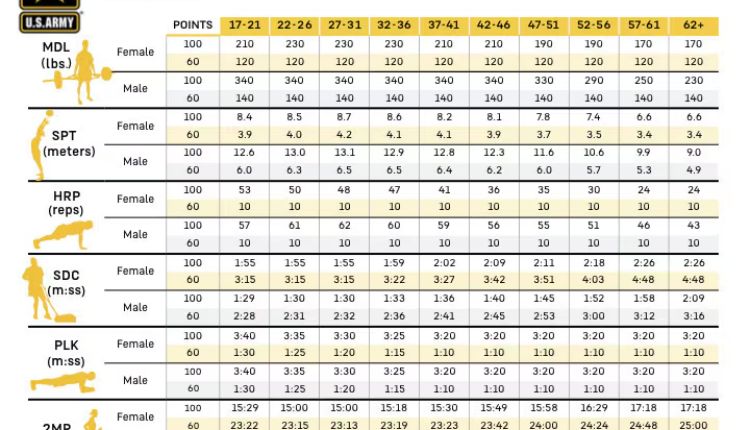
The Army Fitness Test scoring system is designed to evaluate a candidate’s performance in each component. Each exercise is assigned a specific score based on performance and the total score determines whether the candidate passes or fails.
Typically, candidates must achieve a minimum score in each category, such as running, push-ups, and sit-ups. Failure to meet the minimum requirement for any component may result in total failure.
Key aspects of the scoring system include:
- Points awarded based on reps or time
- Minimum score to pass each exercise
- Standards based on age and gender (in some cases)
- Total score determining qualification
Understanding the scoring system helps candidates set clear goals. By knowing the required benchmarks, individuals can tailor their training to meet or exceed these standards.
Improving performance in weaker areas can significantly increase your overall score. For example, if a candidate struggles with push-ups, focusing on upper body strength can make a big difference.
Regular practice tests can help monitor progress and identify areas that need improvement. This also helps candidates familiarise themselves with the test format, which reduces anxiety on the actual test day.
With proper preparation and understanding of the scoring system, candidates can confidently aim for high scores.
Tips to Pass the Army Fitness Test
Passing the Army Fitness Test requires more than just physical strength. It involves proper preparation, discipline and the right mindset.
One of the most important pieces of advice is to start training early. Building fitness takes time and preparing at the last minute is often not effective.
Practical tips for success include:
- Creating a consistent training plan
- Regular practice of all parts of the test
- Maintaining a healthy lifestyle
- Stay motivated and focused
- Get enough rest before the test
On the day of the test, candidates should ensure that they are well rested and properly hydrated. Eating a light, nutritious meal before the test can provide the energy you need.
Warming up before the test is essential to prevent injury and improve performance. Stretching and light exercise can help prepare the body.
Time management during the test is also important. Candidates should pace themselves, especially during the running component, to avoid exhaustion.
Confidence plays a major role in success. Believing in your own preparation and staying calm can greatly improve performance.
With dedication and the right attitude, passing the Army Aptitude Test is achievable for anyone.
Conclusion
The Army Fitness Test is a crucial step for anyone aspiring to join the Army. It assesses physical fitness, discipline and determination. By understanding the components of the test, preparing effectively, and maintaining a healthy lifestyle, candidates can greatly improve their chances of success.
Consistency, proper training and mental focus are the keys to achieving a high score. With the right mindset and preparation, one can successfully crack the Army Aptitude Test.
Frequently Asked Questions
- What is the Army Aptitude Test?
The Army Fitness Test is a physical assessment used to assess a candidate’s strength, endurance, and overall fitness for military service.
- How can I prepare for the Army Aptitude Test?
You can prepare by following a structured training plan focusing on running, strength training and maintaining a healthy diet.
- What exercises are part of the test?
Common exercises include running, push-ups, sit-ups, and sometimes pull-ups or planks.
- How long does the preparation take?
Preparation time varies, but most candidates need several weeks to months of rigorous training.
- Is the Army Aptitude Test hard?
It can be challenging, but with the right preparation and commitment, it is achievable.