Air Force PT Test Calculator
Maintaining physical fitness is essential for Air Force personnel. The Air Force PT Test Calculator makes it easy to track performance and effectively set goals. In this guide, we’ll explore everything you need to know about using the calculator, understanding the test, and improving your score.
Understanding the Air Force PT Test
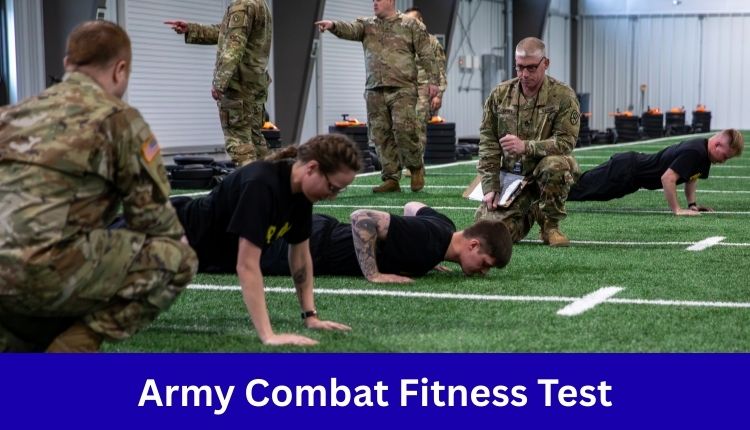
The Air Force Physical Fitness Test (PT Test) measures the physical fitness of active duty service members. It consists of three main components:
- 1.5-mile run: Assesses cardiovascular endurance.
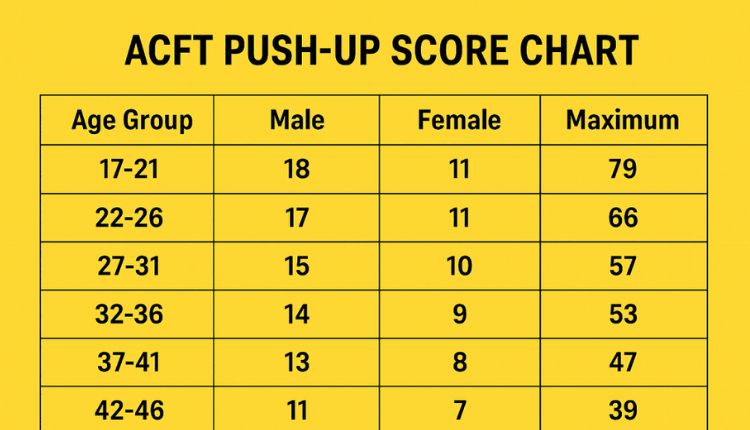
- Push-ups: Measure upper body strength.
- Sit-ups: Assess core strength.
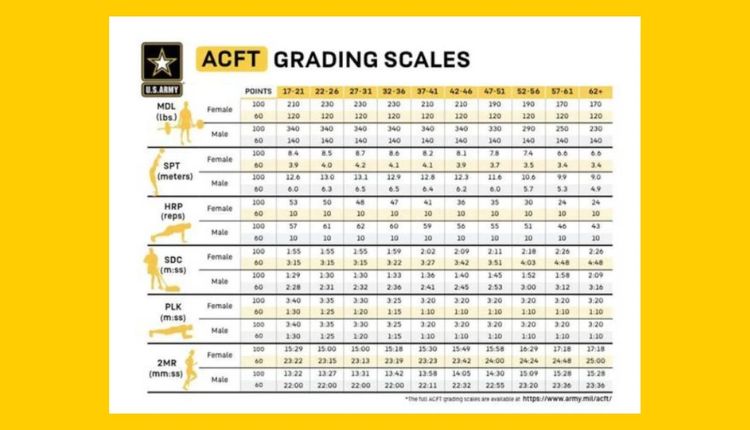
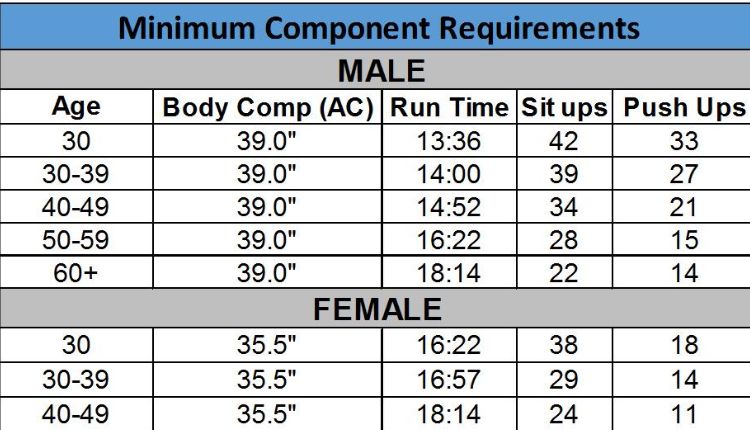
Each component is rated based on age and gender. Passing scores vary slightly depending on Air Force regulations. The PT test is mandatory and affects promotion, deployment and career progression.
The Air Force PT Test Calculator helps Airmen determine how their current performance translates into a score. By entering your age, gender and performance numbers, the calculator instantly estimates your total PT score. This is especially useful for planning training routines and setting realistic goals.
In addition to physical measurements, the test also evaluates body structure by measuring the waist. Candidates must meet standards or face remedial programmes. Using a calculator can help track progress in all these areas, saving time and effort.

The main advantage of the calculator is personalisation. Since PT test scores vary based on demographics, a one-size-fits-all approach doesn’t work. The calculator ensures you know exactly where you are and which areas need improvement.
How the PT test calculator works
The Air Force PT Test Calculator works based on the official scoring formula used by the Air Force. It works like this:
- Entry age and gender: Scoring standards differ for males and females and for different age groups.
- Enter performance numbers: You’ll need details like push-ups, sit-ups, and run time.
- Calculate Score: The calculator provides an instant score for each component and a total score.
The calculator will also highlight which components need improvement. Some advanced calculators even suggest exercise plans based on your current score. This helps airmen effectively focus their training.
It is important to use the exact input numbers. An incorrect number of push-ups or an inaccurate run time can mess up your training plan. Many online calculators also provide graphs and historical performance tracking.
Using the PT test calculator allows you to simulate Air Force PT Test Calculator different scenarios. For example, if you improve your push-ups by 5 reps, you can immediately see your overall score increase. This visualisation motivates and helps track gradual progress.
Many calculators now integrate mobile apps Air Force PT Test Calculator as well. This allows users to enter data daily, track trends, and receive alerts for workouts or upcoming tests.
Benefits of using a PT test calculator
Using the Air Force PT Test Calculator offers a number of benefits:
- Time efficiency: Quickly calculates scores without manual counting.
- Goal Setting: Helps you set realistic fitness goals.
- Performance Tracking: Tracks improvement over time.
- Motivation: Improving scores encourages consistent training.
By understanding which areas need attention, Airmen can design targeted training sessions. For example, if your core strength is lagging, focusing on sit-ups or planks will improve your overall PT score.
Another great benefit is stress reduction. The Air Force PT Test Calculator can be intimidating, especially for new recruits. The calculator gives a clear idea of where you are and reduces uncertainty and anxiety.
Some calculators provide a pass/fail prediction based on your current performance. This will help you understand if you are likely to pass the upcoming test or if more preparation is needed.
In addition, the calculator allows for customised planning. Users can simulate multiple training outcomes and determine which mode effectively maximises the overall PT score. This feature is particularly useful for balancing personnel fitness with other Air Force duties.
Preparing for a 1.5-mile run
The 1.5-mile run assesses cardiovascular endurance and is often the most challenging part of the PT test. Here are some tips:
- Consistent running: Exercise 3-4 times a week.
- Interval training: Alternate between sprints and jogging to improve endurance.
- Track progress: Use a stopwatch or PT test calculator to measure improvement.
Proper warm-up and stretching reduce the risk of Air Force PT Test Calculator injury. Dynamic stretching before your run and static stretching after your run are essential.
Many pilots use an Air Force PT Test Calculator to predict run scores based on practice times. With the score simulation, you can know exactly how many seconds to improve to reach a higher level.
Nutrition also plays a key role. Adequate hydration, a balanced diet and proper sleep improve endurance performance. Avoid sugary snacks before running, as they can lead to energy crashes.
Heart rate monitoring during running helps optimise training intensity. Calculators sometimes allow you to enter your average running pace to more accurately estimate your score improvement.
Improving Push-Up Performance: Air Force PT Test Calculator
Push-ups assess upper body strength, particularly in the chest, shoulders and triceps. Tips for increasing performance include:
- Proper Form: Maintain a straight back, full range of motion, and controlled breathing.
- Progressive training: Gradually increase the number of repetitions and sets.
- Variations: Include incline, decline, and diamond push-ups for balanced strength.
Using the Air Force PT Test Calculator, flyers can track push-up numbers and simulate score improvement. Even a small increase in repetitions can make a big difference to your overall score.
Incorporating strength training such as bench presses, barbell presses, and resistance bands complements the push-up performance.
Rest and regeneration are also important. Overtraining can lead to fatigue or injury that hinders progress. Track your weekly totals and ensure you have enough days to recover.
Motivation can be increased by setting mini-goals such Air Force PT Test Calculator as improving by 2 reps each week. Calculators help visualise how these small increments translate into score gains.
Improved sitting score
The seated portion assesses core strength with a focus on the abdominal muscles. To improve:
- Exercise consistently: Daily exercise increases muscular endurance.
- Engage the core properly: Avoid using the hip flexors; focus on abs
- Add Variations: Planks, push-ups, and leg raises complete the sit-up workout.
The Air Force PT Test Calculator how many sit-ups are needed to achieve the desired score. This allows airmen to set daily or weekly training goals.
Correct breathing technique improves performance. Exhale when lifting, inhale when lowering. Avoid jerky movements to avoid injury.
Core strengthening improves overall fitness and helps other components of PT such as push-ups and running.
Tracking progress and setting goals
The key to Air Force fitness success is consistent tracking. Use the PT Test Calculator to:
- Monitor Trends: Record weekly scores for each component.
- Identify Weaknesses: Pinpoint areas needing improvement.
- Set Realistic Goals: Adjust workouts according to predicted score gains.
By visualising performance, you gain Air Force PT Test Calculator clarity on what’s required to pass or excel. Some calculators provide charts showing historical trends, making it easier to analyse progress over months.
Goal-setting enhances discipline. For example, aiming for 60 push-ups in six weeks becomes achievable with proper tracking.
Common Mistakes to Avoid
Many airmen make mistakes when preparing for the PT Test:
- Skipping Warm-Up: Can lead to injuries.
- Ignoring Weak Components: Focus should be balanced across all test areas.
- Inconsistent Tracking: Without monitoring, progress is hard to gauge.
The Air Force PT Test Calculator helps avoid these mistakes by providing immediate feedback and highlighting weak points.
Avoid overtraining, which can negatively impact performance. Balanced nutrition, rest, and gradual progression are key for optimal results.
The Bottom Lines
The Air Force PT Test Calculator is an essential tool for every airman. It simplifies score tracking, identifies areas for improvement, and provides actionable insights for training. By combining disciplined workouts with strategic use of the calculator, personnel can achieve higher scores, reduce stress, and maintain long-term physical fitness. Regular use ensures readiness for both routine assessments and career milestones.
FAQs
Q1: What is the passing score for the Air Force PT Test Calculator?
A: Passing scores depend on age and Air Force PT Test Calculator gender but generally require meeting minimum standards in push-ups, sit-ups, and a 1.5-mile run.
Q2: Can I use a PT Test Calculator on my phone?
A: Yes, many calculators are mobile-friendly, allowing daily tracking and instant score predictions.
Q3: How often should I use the calculator?
A: Use it weekly to monitor trends, adjust training, and track improvements.
Q4: Does the calculator replace training?
A: No, it’s a tool to track Air Force PT Test Calculator performance. Consistent workouts and proper form are still essential.
Q5: Can the calculator predict future scores?
A: Yes, by inputting practice data, it can simulate potential improvements and overall scores.