AF PT Test Calculator
The AF PT Test Calculator simplifies the performance evaluation process by converting raw physical activity results into an overall score AF PT Test Calculator that reflects fitness readiness. Whether you’re an active-duty Airman, a recruit, or someone preparing to enlist, the calculator plays a key role in helping you stay in compliance with official fitness standards.
AF PT Test Calculator and Its Meaning
The Air Force Physical Training Test measures various aspects of physical fitness, including cardiovascular endurance, muscular strength, and body composition. Instead of manually calculating scores using complex spreadsheets, the AF PT Test Calculator automates the process, saving time and reducing the chance of error. This is especially useful for individuals who want to monitor progress regularly.
Another key benefit of the AF PT Test Calculator calculator is that it allows users to experiment with different performance scenarios. For example, you can enter hypothetical run times or push-up counts to see how improvements in specific areas can affect your overall score. This predictive ability makes it an excellent fitness planning tool.
In addition, the calculator provides transparency. It breaks down scores into individual components and helps users understand which areas need improvement. This insight is essential for targeted training that ensures efforts are focused where they are most needed.
In today’s digital world, there are many online versions of the PT Test Calculator available that offer user-friendly interfaces and instant results. These tools are frequently updated to reflect the latest Air Force standards, making them reliable for accurate score estimation.
All in all, the PT Test Calculator is not just an assessment tool; it’s a strategic resource that empowers users to take control of their fitness journey and achieve better results.
Components Measured in the PT Test Calculator
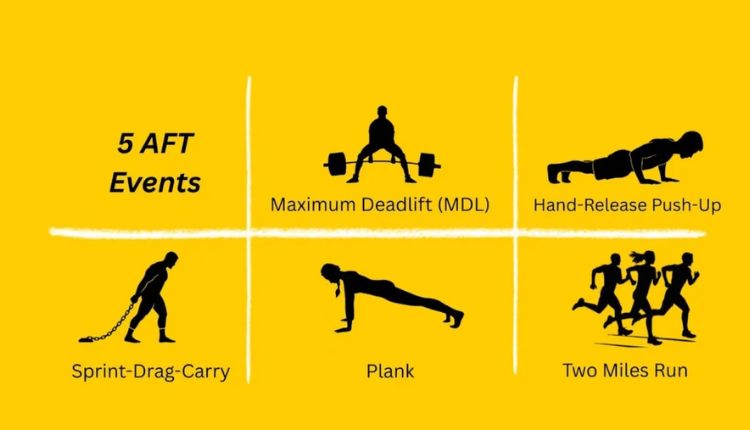
The AF PT Test Calculator evaluates several components of physical fitness to determine an individual’s overall readiness. Each component is assigned a specific weight that contributes to the final score. Understanding these components is essential to using the calculator effectively.
Primary components include aerobic fitness, muscular strength, muscular endurance and body composition. Aerobic fitness is usually assessed through a timed run, usually 1.5 miles. This section carries significant weight because cardiovascular endurance is considered a key indicator of overall health and operational readiness.
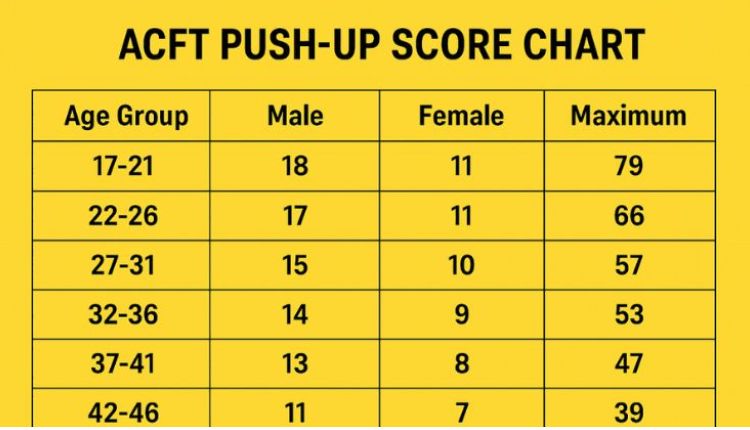
Muscular strength and endurance AF PT Test Calculator are assessed using push-ups and sit-ups. These exercises measure upper-body strength and core stability. The number of repetitions completed in a certain time frame directly affects the score. Consistency and proper form are key to maximising performance in these areas.
Another important factor is body composition. This is often measured using waist circumference or body fat percentage. Maintaining a healthy body composition is essential not only for scoring but also for long-term health and performance.
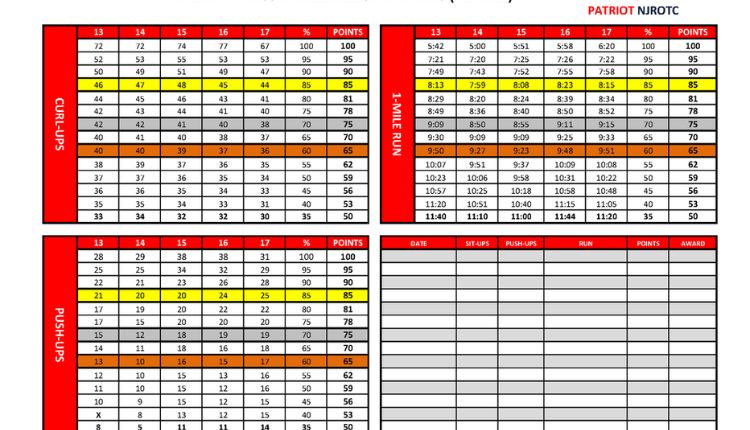
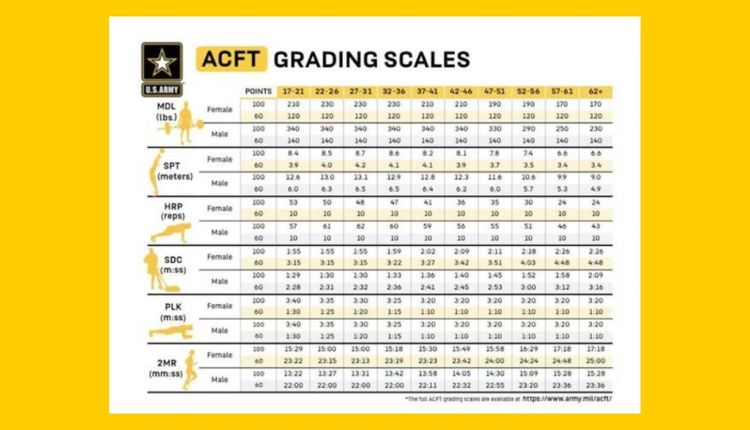
The PT Test Calculator integrates all of these components into a unified scoring system. Each entry is processed based on standardised scoring tables, ensuring fairness and accuracy. Users can enter their results and instantly get a detailed breakdown of their scores.
The key elements included in the calculator are:
- 1.5-mile run time for cardiovascular fitness
- Number of push-ups for upper body strength
- Number of sit-ups for basic endurance
- Data on waist measurement or body composition
By analysing these components together, the calculator provides a comprehensive view of an individual’s level of physical fitness. This holistic approach ensures that no single aspect is overlooked and promotes balanced physical development.
Understanding these components helps users identify strengths and weaknesses, allowing for more effective training strategies and better overall performance.
How the PT Test Calculator Works Step by Step
The AF PT Test Calculator works through a straightforward process that converts physical performance metrics into numerical scores. While the basic calculations are based on official Air Force standards, the user interface is usually simple and easy to navigate.
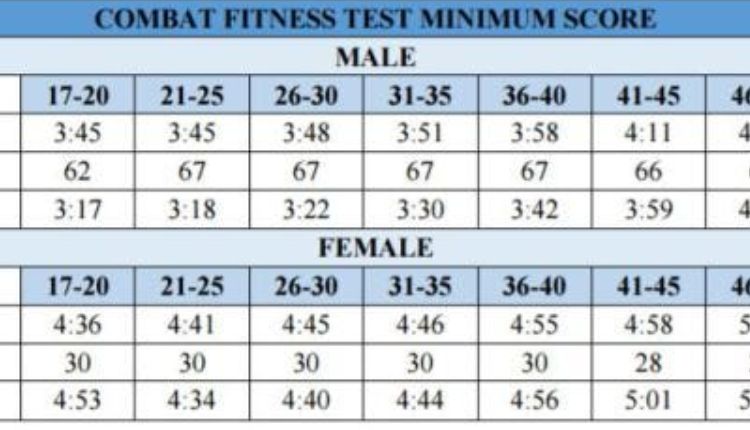
To begin, users enter their personal information, such as age and gender. These factors are important because scoring standards vary by demographic category. Once this information is entered, the calculator will adjust the evaluation criteria accordingly.
Next, users enter their performance data. This includes the time it takes to complete a 1.5-mile run, the number of push-ups performed, and the number of sit-ups completed. Some calculators may also require a waist measurement or body fat percentage.
After all inputs are provided, the calculator processes the data using predefined scoring tables. Each component is given a score based on performance and AF PT Test Calculator these scores are then combined to create a final score. The final score usually ranges from 0 to 100, with higher scores indicating better fitness.
The calculator also categorizes results into performance levels such as ‘excellent’, ‘satisfactory’, or ‘unsatisfactory’. This classification helps users understand where they stand against Air Force standards.
The steps involved in using the calculator include:
- Enter age and gender
- Entry run time
- Input the number of push-ups
- Input number of sit-downs
- Include body composition data if applicable
- Check the calculated score and category
One of the most valuable features of the calculator is its instant feedback. Users can quickly adjust inputs to see how changes in performance affect their scores. This makes it a powerful tool for planning and motivation.
Overall, the PT Test Calculator simplifies a complex scoring system into an accessible and practical tool for everyone.
Benefits of Regularly using the PT test Calculator
Regular use of the AF PT Test Calculator offers a number of benefits for individuals looking to maintain or improve their physical fitness. It serves as both a monitoring tool and a motivational resource, helping users keep up with their fitness goals.
One of the main benefits is tracking progress. By consistently entering performance data, users can track trends over time. This allows them to see improvement, identify plateaus and adjust their training strategies accordingly.
Another significant advantage is setting goals. The calculator allows users to set realistic and measurable goals. For example, if a user wants to achieve AF PT Test Calculator a score of 90, they can use a calculator to determine the required run time and the number of repetitions needed to achieve this goal.
Key benefits include:
- Accurate performance monitoring
- Realistic goal setting
- Increased motivation and responsibility
- Identifying strengths and weaknesses
- Better training planning
In addition, a calculator can reduce the anxiety associated with fitness tests. With a clear understanding of the scoring criteria, users can approach tests with confidence and preparedness.
In short, the PT Test Calculator is more than just an assessment tool. It is a comprehensive fitness companion that supports continuous improvement and long-term success.
Common Mistakes to Avoid When using a Calculator
While the AF PT Test Calculator is a powerful tool, improper use can lead to inaccurate results and misleading training decisions. Understanding common mistakes can help users get the most out of this resource.
A common mistake is entering incorrect data. Even small inaccuracies in the running time or the number of repetitions can significantly affect the final score. It is important to ensure that all inputs are accurate and based on actual performance.
Another mistake is ignoring proper form when exercising. The calculator assumes that all repetitions are performed correctly. If push-ups or sit-ups are not performed with proper technique, the actual score during the official test may be lower than the calculated estimate.
Users also sometimes overlook the importance of body composition. Focusing only on running time and repetitions and neglecting waist measurement can lead to an incomplete understanding of overall fitness.
Another problem is over-reliance on the calculator. Although a useful tool, it should not replace professional guidance or structured training programmes. Combining calculator overviews with expert advice brings the best results.
Common mistakes include:
- Entering inaccurate performance data
- Ignoring exercise form and technique
- Neglecting body composition factors
- Using outdated calculators with old standards
- Relying solely on a tool without proper training
Additionally, some users do not update their inputs regularly. Using outdated data can lead to incorrect assumptions about current fitness levels.
Avoiding these mistakes ensures that the PT Test Calculator remains a reliable and effective tool for assessing and improving fitness.
Tips to Improve your Score with the PT test Calculator
Improving your AF PT test score requires a combination of consistent practice, smart planning, and effective calculator use. By leveraging the insights provided by this tool, users can develop targeted strategies for better performance.
One of the most effective approaches is to focus on weaknesses. The calculator will highlight which components contribute the least to your score, allowing you to prioritize those areas in your training routine.
For cardiovascular fitness, interval training can be highly beneficial. Alternating between high and low-intensity running improves endurance and shortens running time. Consistency is the key to making noticeable improvements.
Strength training is essential to AF PT Test Calculator increase the number of push-ups and sit-ups. Incorporating exercises such as planks, bench presses, and core exercises can increase muscular endurance and overall performance.
Effective tips include:
- Focus on the weakest point components
- Practise timed runs regularly
- Include strength and core training
- Maintain a balanced diet
- Ensure proper rest and regeneration
It can also be helpful to use a calculator to simulate different scenarios. By adjusting the inputs, users can set realistic improvement goals and track their progress toward achieving them.
Ultimately, a combination of disciplined training and strategic use of the PT Test Calculator can lead to significant performance gains.
Comparison of the PT Test Calculator
The AF PT Test Calculator offers several advantages over traditional manual scoring methods. While manual scoring involves referring to charts and doing calculations, the calculator automates the entire process, making it faster and more efficient.
One of the main differences is accuracy. Manual calculations are prone to human error, especially when dealing with complex scoreboards. The calculator eliminates this risk by using programmed algorithms that follow official standards.
Time efficiency is another big advantage. Manual scoring can be time-consuming, especially for individuals unfamiliar with the scoring system. The calculator provides instant results and saves valuable time.
The calculator also offers greater accessibility. There are many online tools available on smartphones and computers that allow users to calculate scores anytime, anywhere. This convenience makes it easy to monitor progress regularly.
The main differences include:
- Automated calculations vs manual calculations
- Instant results versus time-consuming processes
- Reduced error vs higher risk of error
- Easy availability versus limited availability
Another advantage of the calculator is its ability to provide detailed breakdowns. Users can see how each component contributes to the final score, which is not always correct in manual scoring methods.
In conclusion, while manual scoring can still be useful for understanding the system, the AF PT Test Calculator is a more practical and reliable option for most users.
Future Trends Evolution of PT test Calculators
The AF PT Test Calculator is constantly evolving as technology advances. As digital tools become more sophisticated, these calculators are expected to offer even more features and options.
One of the new trends is integration with fitness apps and wearable devices. When connected to smartwatches and fitness trackers, calculators can automatically import performance data, eliminating the need for manual input. This increases accuracy and convenience.
Artificial intelligence also plays a role in the development of these tools. AI calculators can provide personalised training recommendations based on user data. This transforms the calculator from a simple scoring tool into a comprehensive fitness assistant.
Another development is the use of cloud platforms. These allow users to store and access their performance data over time, enabling long-term monitoring and analysis. This feature is especially useful for individuals who want to track progress over months or years.
Future features may include:
- Integration with wearable technology
- AI-powered performance statistics
- Cloud data storage
- Advanced analytics and reporting
- Individual training plans
The user experience also improves with a more intuitive interface and interactive features. These improvements make the calculators more engaging and easier to use.
Conclusion
The AF PT Test Calculator is an essential tool for anyone preparing for or participating in the Air Force Physical Training Test. It simplifies complex scoring systems, provides accurate results, and offers valuable insights into physical fitness performance. By understanding how the calculator works and using it consistently, individuals can track progress, set realistic goals, and improve their overall fitness levels.
From breaking down performance components to enabling strategic training, the calculator plays a crucial role in achieving success. Avoiding common mistakes and leveraging advanced features can further enhance its effectiveness. As technology continues to evolve, the future of AF PT Test Calculators looks promising, with more intelligent and integrated solutions on the horizon.
FAQs
What is an PT Test Calculator?
It is a digital tool used to calculate Air Force fitness test scores based on performance inputs like run time, push-ups, and sit-ups.
Is the AF PT Test Calculator accurate?
Yes, most calculators are based on official standards, making them reliable when accurate data is entered.
Can I use it for practice purposes?
Absolutely, it is ideal for tracking progress and setting fitness goals.
Do standards vary by age and gender?
Yes, scoring criteria differ AF PT Test Calculator depending on age and gender, which the calculator automatically adjusts.
Is it better than manual scoring?
Yes, it is faster, more accurate, and easier to use compared to manual methods.
How often should I use the calculator?
Regular use, such as weekly or monthly, AF PT Test Calculator is recommended for effective progress tracking.
Are online calculators free?
Most AF PT Test Calculators available online are free to use.
Can beginners use it?
Yes, it is designed to be user-friendly and suitable for all fitness levels.