ACFT MOS Standards
The Army Combat Fitness Test (ACFT) replaced the older Army Physical Fitness Test (APFT) to better reflect actual combat requirements. Unlike the previous test, the ACFT is designed to measure strength, endurance, agility, and overall physical fitness based on various military occupational specialties (MOS).
This comprehensive guide will help you understand the ACFT MOS standards, their structure, grading systems, preparation strategies, and frequently asked questions. Whether you’re a recruit, active duty, or someone interested in military fitness, this article provides everything you need.
Understanding of ACFT MOS standards
ACFT MOS standards were established to align physical fitness requirements with the actual requirements of specific military positions. Each MOS has different physical expectations, which is why the military has broken them down into performance levels.
Previously, the military used a one-size-fits-all approach that did not accurately reflect the physical demands of different roles. For example, infantry soldiers require more strength and endurance than administrative personnel. ACFT addresses this issue by adapting standards.
The ACFT consists of six events that measure different aspects of fitness. These include strength, power, speed, endurance, and agility. Each MOS falls into a category that determines the minimum score required in each event.
According to ACFT standards, there are three primary categories of MOS:
- heavy (golden)
- Significant (grey)
- medium (black)
Soldiers must meet the minimum requirements for their assigned category. Failure to meet these standards may impact promotions, assignments, and overall career advancement.
This system ensures fairness while maintaining operational readiness. It also encourages soldiers to train specifically for the demands of their job roles.
Overall, the MOS standards represent a more realistic, job-orientated approach to military fitness assessment.
Distribution of ACFT events
The ACFT consists of six events, each designed to test a specific component of physical fitness. Understanding these events is critical to meeting ACFT MOS standards.
The first discipline is the 3-repetition maximum deadlift (MDL). This measures lower body strength. Soldiers must lift a hex bar with increasing weight levels depending on their MOS category.
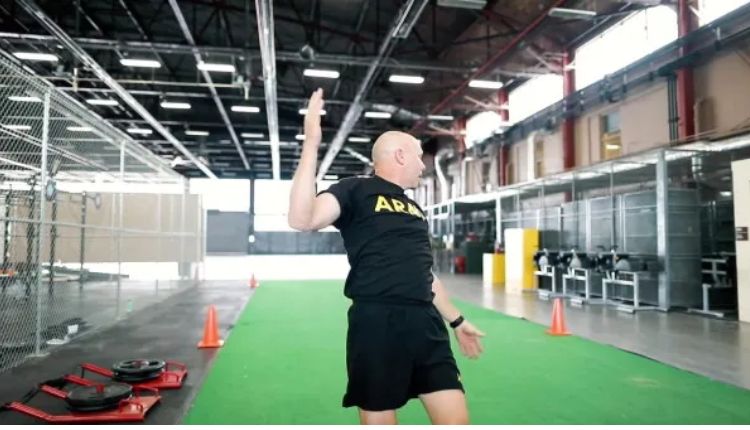
The second discipline is the standing throw (SPT). This assesses explosive power by throwing a medicine ball backwards over the head.
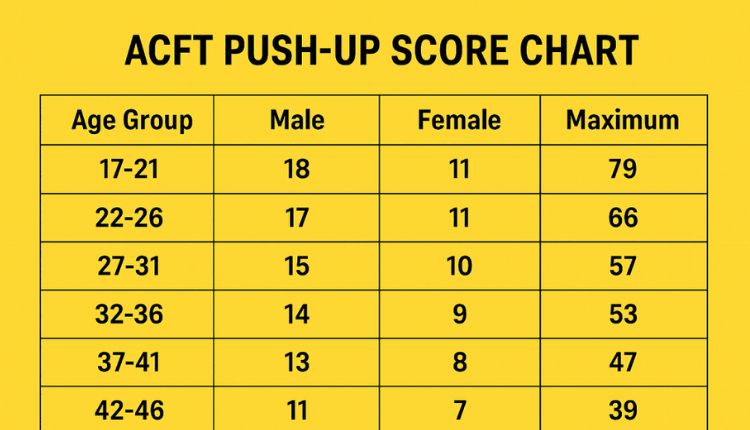
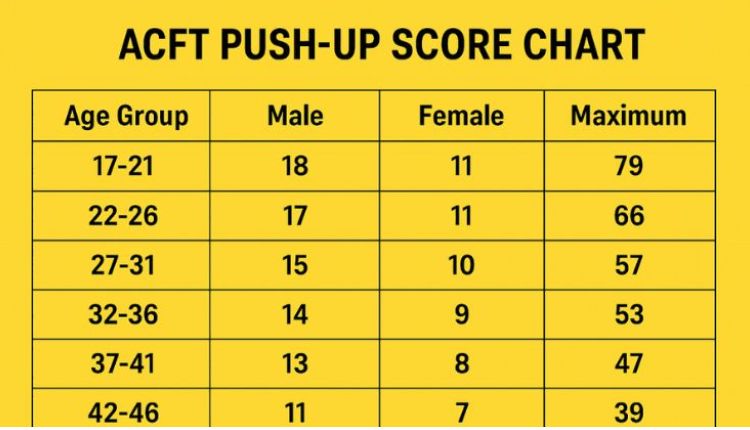
Next is the Hand-Release Push-Up (HRP). Endurance and upper body strength are assessed. Unlike traditional push-ups, soldiers must release their hands at the bottom of each rep.
The fourth event is the Sprint-Drag-Carry (SDC). This is a high-intensity shuttle run that involves sprinting, pulling a sled, carrying kettlebells, and moving sideways.
The fifth event is the Plank (PLK), which measures core strength and endurance. Replaced the earlier leg tuck event to make the test more inclusive.
Finally, the 2-Mile Run (2MR) tests cardiovascular endurance. This remains a critical part of overall fitness.
Each event is scored individually, and the total score determines whether the Soldier meets MOS standards. Soldiers must pass all six disciplines to qualify.
Together, these events ensure that soldiers are prepared for real combat scenarios.
ACFT MOS Categories Explained
Categorization of MOS roles is a key feature of the ACFT MOS standards. These categories determine the physical requirements for each soldier.
The Heavy (Gold) category includes combat roles such as infantry, artillery and special forces. These jobs require a high level of strength, endurance and agility. Soldiers in this category must achieve the highest score.
The ‘Significant’ category (gray) includes roles that involve moderate physical activity. Examples include mechanics, engineers and some technical roles. These soldiers still require strong physical fitness, but not to the same level as combat roles.
The Medium (black) category includes administrative and support roles. These positions involve less physical strain, so the standards are comparatively lower.
Each category has specific minimum requirements for all six ACFT events. For example:
- The heavyweight class requires heavier deadlift weights and faster sprint times
- The major category has medium requirements
- The middle category has the lowest thresholds
- This system ensures that soldiers are fairly evaluated based on their job duties.
It also motivates soldiers to maintain fitness appropriate for their roles. Transitioning between MOS categories may require additional training to meet the new standards.
Understanding your MOS category is essential to effective preparation and success in the ACFT.
ACFT Scoring System and Requirements
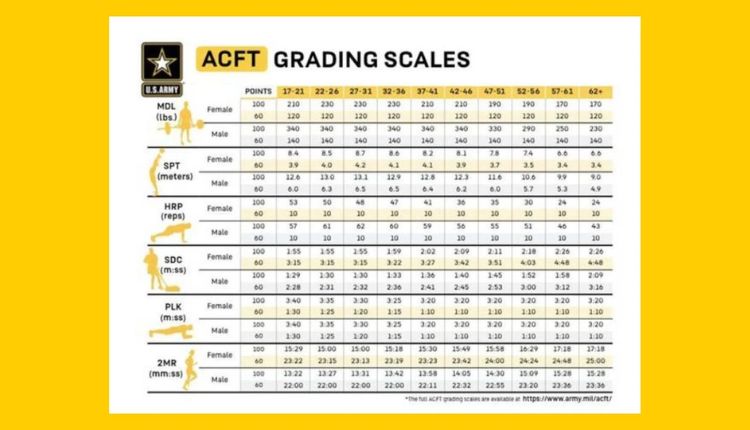
The ACFT scoring system is based on a scale of 0 to 100 points for each event. The maximum total score is 600 points. Soldiers must score at least 60 points in each discipline to pass.
However, ACFT MOS standards may require a higher minimum score depending on the category. For example, a soldier in the Heavy category may need a significantly higher score than one in the Medium category.
Scoring is calculated based on performance in each event:
- Deadlift raised
- Power throw distance
- Number of push-ups completed
- Time required for sprint-drag-nose
- Board holding time
- Time required to run 2 miles
Each performance is compared to a scoreboard. The better the performance, the higher the score.
Failure of one event causes the entire test to fail. Therefore, balanced training is essential.
The Army regularly updates the scoring tables to ensure fairness and relevance. Soldiers should always follow the latest guidelines.
Achieving a high score not only ensures graduation but also increases opportunities for advancement and career growth.
ACFT’s scoring system promotes continuous improvement and readiness.
Training Strategies to Meet MOS Standards
Preparing for ACFT MOS standards requires a structured and disciplined training approach. Soldiers must focus on improving all aspects of fitness.
Strength training is key, especially for the deadlift and sprint-drag-carry. Exercises like squats, deadlifts and lunges help build the lower body.
Push-ups, bench presses, and resistance training are all effective for upper body endurance. Basic exercises like planks and sit-ups improve stability and endurance.
Cardiovascular fitness is equally important. Running, cycling, and interval training help improve endurance for a 2-mile run.
Agility and speed can be improved through sprint drills, shuttle runs and functional training exercises.
Consistency is key. Soldiers should follow a weekly training schedule that includes:
- Strength training
- Cardio session
- Flexibility and recovery
- Practice ACFT events
Proper nutrition also plays an important role. A balanced diet supports muscle growth, regeneration and energy levels.
Rest and recovery are equally important to prevent injury and maintain performance.
By following a well-rounded training plan, Soldiers can effectively meet and exceed MOS standards.
Common Challenges and How to Overcome Them
Many Soldiers face challenges in preparing for ACFT MOS standards. Identifying these challenges is the first step to overcoming them.
One common problem is a lack of strength, especially in the deadlift. This can be improved with progressive strengthening and proper technique.
Another challenge is endurance when running 2 miles. Regular cardio training and stimulation strategies can help improve performance.
The sprint-drag-carry event is often difficult in its intensity. Practising similar exercises can build stamina and confidence.
Core strength is another area where soldiers struggle. Consistent core workouts can improve plank performance.
Mental toughness is just as important. ACFT is physically demanding, but maintaining focus and determination is essential.
Injury prevention is also an issue. Proper warm-up, stretching, and recovery techniques can reduce the risk.
Time management can be challenging for soldiers with busy schedules. Creating a structured training plan helps maintain consistency.
By addressing these challenges, Soldiers can improve their performance and effectively meet MOS standards.
Importance of MOS Standards in Military Readiness
ACFT MOS standards play a critical role in ensuring military readiness. They are intended to prepare soldiers for real combat situations.
Physical fitness directly affects a soldier’s ability to perform tasks such as carrying equipment, moving quickly, and long missions.
By aligning fitness standards with MOS roles, the Army ensures that each soldier is able to perform their specific duties.
This approach increases overall effectiveness and efficiency within military units.
MOS standards also promote a culture of fitness and discipline. Soldiers are encouraged to maintain a high level of physical fitness.
Additionally, these standards help identify areas where Soldiers need improvement. This enables targeted training and development.
ACFT also reduces the risk of injury by promoting balanced fitness.
Overall, MOS standards contribute to a stronger and more capable military force.
Future Updates and Changes to MOS Standards
The Army continues to evaluate and refine ACFT MOS standards to ensure they remain effective and relevant.
Feedback from soldiers and commanders plays a vital role in shaping future updates. This helps resolve any issues or discrepancies.
Technological advances and research in fitness science can also influence changes in ACFT.
The Army may adjust scoring systems, event requirements, or MOS categories based on evolving needs.
Inclusivity and fairness are also important. The updates aim to ensure that all soldiers are properly rated.
Training programmes may also be developed to better prepare soldiers for ACFT.
Being informed of these updates is essential for Soldiers and Recruits.
Regular communication from the military ensures that everyone understands the latest standards and expectations.
The future of the MOS standards will continue to focus on improving readiness and performance.
Conclusion
The ACFT MOS standards represent a significant advance in military fitness assessment. By matching physical demands with specific job roles, the Army ensures Soldiers are better prepared for real-world challenges.
Understanding the structure, events, scoring system and training strategies is essential to success. With proper preparation, discipline, and consistency, Soldiers can meet and exceed these standards.
ACFT not only measures fitness but also promotes a culture of readiness, resilience and excellence.
Frequently Asked Questions
What do ACFT MOS standards mean?
ACFT MOS standards refer to fitness requirements based on a soldier’s military occupational specialty, which ensures physical readiness for a specific job.
How many events are there in ACFT?
There are six events: deadlift, power throw, push-up, sprint-pull-up, plank and 2-mile run.
What is the minimum score to pass?
Soldiers must score at least 60 points in each event, but MOS categories may require higher scores.
Can you fall into one event and still make it through?
No, the failure of one event causes the entire ACFT to fail.
How often is ACFT performed?
Soldiers typically complete the ACFT twice a year, but this can vary.
Is ACFT the same for all soldiers?
No, standards vary by MOS category, such as heavy, significant, and medium.
How can I improve my ACFT score?
Focus on strength training, cardio, consistency and proper nutrition.
Are ACFT standards changing?
Yes, the Army regularly updates the standards to improve fairness and efficiency.