ACFT Army
Unlike the older Army Physical Fitness Test (APFT), the ACFT Army focuses on functional fitness, which directly reflects the physical demands soldiers face in real combat situations. The test was designed to better evaluate a soldier’s ability to perform tasks such as lifting equipment, carrying injured teammates, sprinting under pressure and maintaining endurance during long missions.
The Army ACFT includes six different events that assess different areas of physical performance. These events measure muscular strength, power, agility, endurance and cardiovascular capacity. Because modern warfare requires Soldiers to perform a wide variety of physically demanding tasks, the Army ACFT strives to ensure that each Soldier maintains a high level of readiness.
In this comprehensive guide, we’ll ACFT Army explore ACFT’s army structure, explain each event, discuss preparation strategies, and provide helpful tips for achieving high scores.
What is ACFT Army?
The Army ACFT is a standardized fitness test implemented to evaluate the physical abilities of soldiers. It replaced the older APFT system to provide a more accurate measurement of combat readiness. The Army designed this test after extensive research into the physical demands of soldiers in the field.
An ACFT army consists of six separate actions carried out consecutively. Each event focuses on a specific component of fitness necessary for military performance.
These events include:
- Deadlift
- Standing throw
- Push-Up Manual Release
- Sprint-Drag-Carry
- Plank
- Two-mile run
Each soldier receives a score based on his performance in each event. The overall score determines whether they meet Army fitness standards.
The purpose of the Army ACFT is not only to measure fitness but also to encourage Soldiers to train in ways that improve overall strength and endurance. Unlike the previous test, which focused heavily on push-ups and sit-ups, the Army ACFT includes more varied movements that reflect actual combat tasks.
Another important feature of the ACFT is that it promotes balanced physical development. Soldiers must train multiple muscle groups and energy systems to perform well. This ensures that they are better prepared for the unpredictable physical challenges of military operations.
Overall, the Army ACFT represents a fundamental shift in how the Army measures and develops the physical readiness of its Soldiers.
Army Test Action ACFT
The Army ACFT includes six events that are designed to measure different aspects of physical fitness. Each event simulates the physical tasks soldiers may encounter during military operations.
The six events include:
- Three-rep max deadlift – Tests lower body strength by requiring soldiers to lift a heavy weight off the ground.
- Standing Throw – Measures explosive power by tossing a medicine ball backward over your head.
- Hand Release Push-Up – Assesses upper body muscular endurance.
- Sprint-Drag-Carry – Tests speed, agility and muscular endurance.
- Plank – measures core strength and stability.
- Two Mile Run – Assesses cardiovascular endurance.
Each event contributes to the total ACFT score. Soldiers must complete all six events in sequence, usually within a testing period of around 70 minutes.
The ACFT Army is designed to test functional fitness rather than simple endurance. For example, the Sprint-Drag-Carry event simulates moving quickly while carrying equipment or dragging injured personnel.
This multi-event structure ensures that Soldiers develop well-rounded physical abilities. Strength alone is not enough; endurance, agility and strength are equally important.
Because Army ACFT tests so many aspects of fitness, Soldiers often train with a combination of weightlifting, running, and high-intensity interval training.
ACFT Army Scoring System
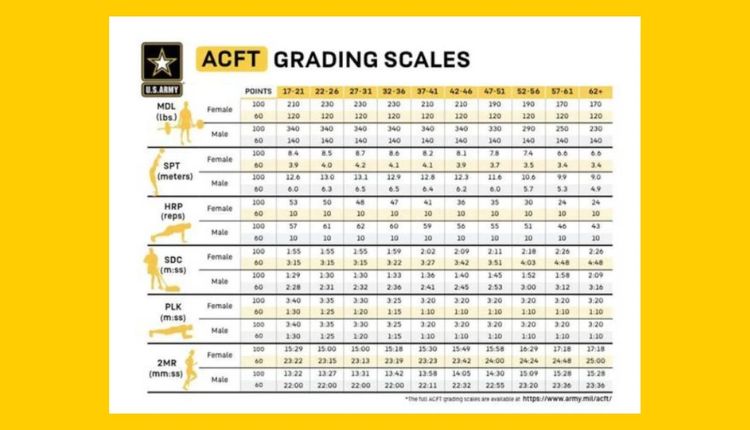
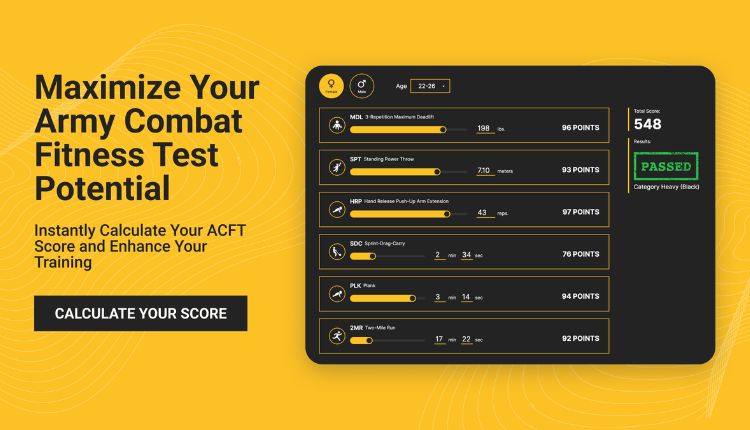
The Army’s ACFT scoring system is designed to fairly measure performance in all six events. Each event has a minimum and maximum possible score. Soldiers are awarded points based on how well they perform.
The scoring structure works as follows:
- Minimum number of points to pass the competition: 60 points
- Maximum score per event: 100 points
- Maximum total score: 600 points
To pass the ACFT Army, soldiers must score at least 360 points overall while meeting the minimum requirement in each competition.
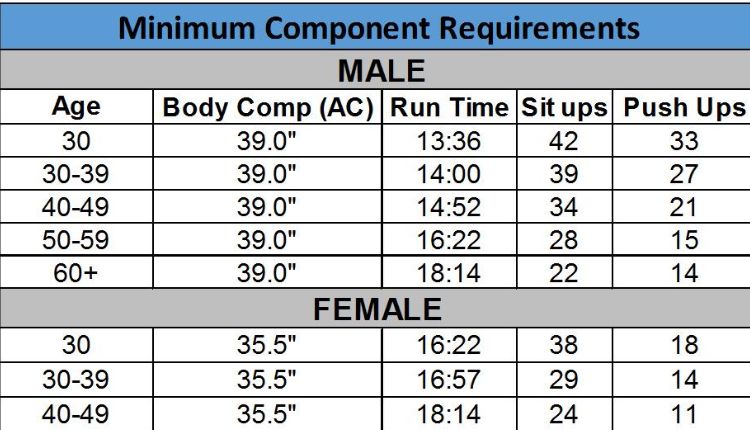
Scoring categories are based on performance standards set by the military. These standards take into account factors such as strength, endurance and speed.
The scoring system promotes balanced fitness. A soldier cannot rely on one strong event to compensate for poor performance in another. For example, a high run score cannot compensate for a failed deadlift score.
Another important aspect of the Army ACFT scoring system is its fairness across the various military occupations. While the physical demands may vary between roles, every soldier must meet the same basic standard to demonstrate combat readiness.
Because the scoring system rewards overall performance, soldiers often train across multiple fitness disciplines rather than focusing on just one type of exercise.
ACFT Training Tips
Preparing for the Army ACFT requires a structured training plan that improves strength, endurance, and agility. Because the test involves multiple events, Soldiers must develop a balanced fitness routine.
Effective training strategies include:
- Strength training for deadlifts and transfers
- Plyometric exercises for explosive power
- Basic exercise for plank performance
- Sprint training for agility and speed
- Long-distance running for endurance
Weightlifting plays a major role in ACFT Army training. Exercises like squats, deadlifts, and lunges strengthen the lower body, which is crucial for several events.
Cardiovascular fitness is equally important. Soldiers should regularly perform running workouts to prepare for the two-mile run.
Another key part of training is functional fitness. This type of training mimics real physical tasks and helps soldiers move effectively under stress.
Recovery also plays an important role in ACFT preparation. Adequate sleep, proper nutrition and hydration help maintain peak performance during training.
Through consistent training and disciplined preparation, Soldiers can significantly improve their Army ACFT scores.
ACFT Benefits
ACFT Army provides several important ACFT Army benefits to both Soldiers and the Army as a whole. One of the biggest advantages is that it better reflects actual combat demands compared to previous fitness tests.
Key benefits include:
- Improved overall strength and endurance
- Better preparation for combat situations
- Reduced risk of injury due to balanced training
- More accurate measurement of physical fitness
- Increased focus on functional fitness
Because Army ACFT incorporates strength-based actions, Soldiers are encouraged to develop stronger muscles and better lifting techniques. This helps them safely handle heavy equipment during operations.
The test also improves teamwork and operational readiness. Physically fit soldiers can perform challenging tasks more effectively, contributing to mission success.
Another advantage is injury prevention. By promoting full-body strength training, Army ACFT helps Soldiers build more resilient muscles and joints.
Overall, Army ACFT promotes a culture of fitness that promotes both individual health and military effectiveness.
ACFT Army Common Tasks
Although the ACFT Army offers many benefits, Soldiers often face several challenges when preparing for the test. One of the most common difficulties is adaptation to forceful events.
Many soldiers previously focused on push-ups and running under the old APFT system. The introduction of deadlifts and power throws requires additional training with weights and explosive movements.
Common challenges include:
- Lack of weightlifting experience
- Difficulty improving sprint speed
- Limiting base stamina
- Fatigue during the Sprint-Drag-Carry event
The Sprint-Drag-Carry action is particularly challenging because it combines multiple moves in a short amount of time. Soldiers must sprint, pull weights, carry kettlebells, and sprint again.
Another challenge is maintaining endurance for the two-mile run after completing the earlier strength events. By the time soldiers manage to escape, they are often already tired.
To overcome these challenges, soldiers must adopt comprehensive training programmes that focus on both strength and endurance.
With proper preparation and consistent practice, most soldiers can successfully adapt to Army ACFT requirements.
How to improve the ACFT score
Improving your ACFT Army score requires dedication, structured training, and proper recovery. Soldiers who want to achieve higher scores should focus on both technique and physical fitness.
Useful strategies include:
- After a progressive strength training program
- Regular practice of each ACFT action
- Improving running endurance using interval training
- Strengthening the core with plank variations
- Increased grip strength when carrying
Technique is extremely important in several events. For example, proper deadlift form can significantly increase lifting performance while reducing the risk of injury.
Interval running training can improve speed and endurance when running two miles. These workouts alternate between high-intensity sprints and recovery periods.
Core strength training also plays a key role in improving plank performance. Exercises like hanging leg raises and Russian twists help build stronger abs.
Consistency is the most important factor in improving your ACFT Army score. Soldiers who train regularly and follow a well-designed programme often see significant improvements.
The Future of the ACFT Army
Army ACFT is constantly evolving as the Army collects more data on Soldier performance. The Army regularly reviews the test to ensure it remains fair, effective and aligned with warfighting requirements.
Future developments may include ACFT Army adjustments to scoring standards, improved training resources, and updated testing procedures.
Some experts believe the technology ACFT Army could play a role in the future of fitness testing. Wearable devices and digital performance monitoring systems can help more accurately monitor soldiers’ fitness.
The Army is also working to improve training programmes to help Soldiers prepare for the Army ACFT. These programmes aim to reduce injuries while improving performance in all six events.
Another important focus is education. Soldiers are increasingly learning proper lifting techniques, recovery strategies, and nutritional principles that support physical readiness.
As military operations continue to evolve, the Army ACFT will likely adapt to ensure Soldiers remain physically ready for modern combat environments.
Conclusion
The ACFT Army represents a significant improvement in how the military measures physical fitness. By focusing on functional strength, endurance, agility and power, the test provides a more accurate assessment of combat readiness.
Through six challenging events, the Army ACFT ensures Soldiers develop all-round physical abilities. Although the test can be challenging, with proper training and preparation, it is achievable for most soldiers.
As the Army continues to ACFT Army improve the system, the Army ACFT will remain an essential part of maintaining a strong and capable military force.
Frequently asked questions
What does ACFT mean?
ACFT stands for Army Combat Fitness Test, which measures a soldier’s physical readiness.
How many events are there in the ACFT Test?
Army ACFT includes six events: deadlift, standing deadlift, push-up with hand release, sprint-pull-up, plank, and two-mile run.
What is the ACFT composition score?
The minimum score to pass is 360 points, with a minimum of 60 points in each discipline.
How Often Do Soldiers Take the Army ACFT Test?
Most soldiers undergo the Army ACFT twice a year to maintain fitness standards.
Why did the Army replace the APFT with the ACFT?
The Army replaced the APFT to create a more realistic test that better reflects the physical demands of combat.