Army Combat Fitness Test
Whether you are preparing to enlist or trying to improve your performance, understanding ACFT is essential. This article provides a detailed Army Combat Fitness Test, training tips, and strategies to excel.
Overview of ACFT
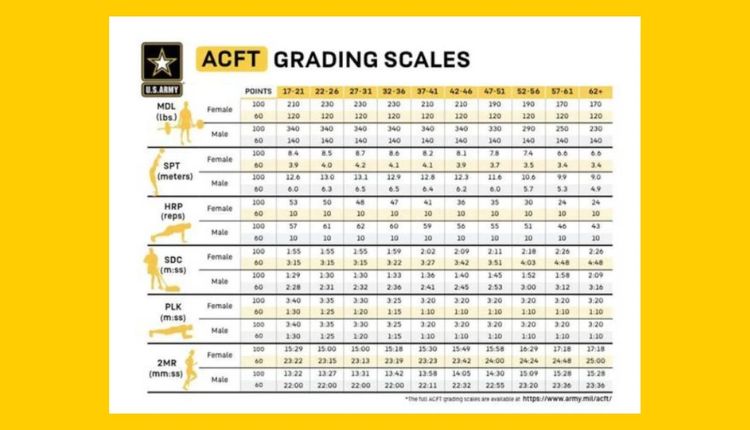
The Army Combat Fitness Test replaced the older Army Physical Fitness Test (APFT) to provide a more comprehensive assessment of Soldier readiness. Unlike the APFT, which focused mainly on push-ups, sit-ups, and the two-mile run, the ACFT evaluates six different events to better simulate the demands of combat.
These events include:
- 3-Repetition Maximum Deadlift (MDL) – measures lower body strength.
- Standing Power Throw (SPT) – tests explosive power.
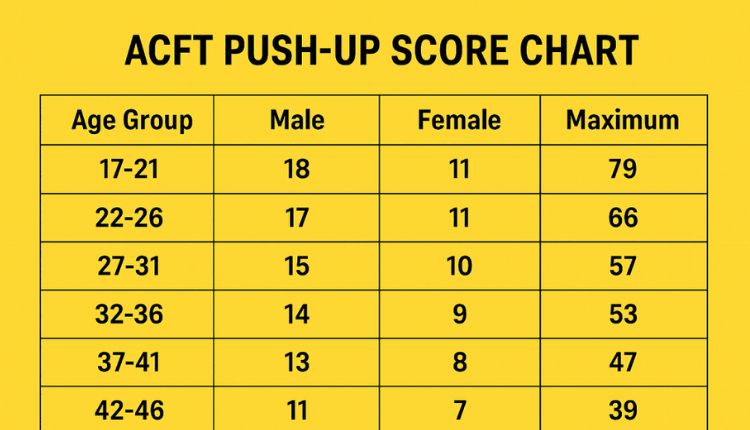
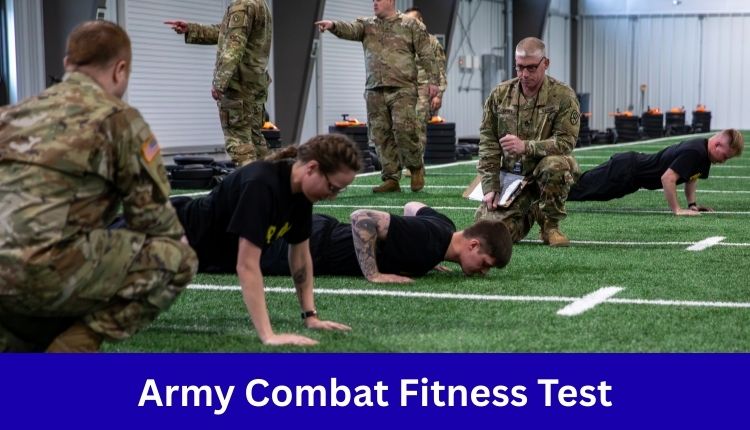
- Hand-Release Push-Ups (HRP) – assesses upper body muscular endurance.
- Sprint-Drag-Carry (SDC) – measures anaerobic capacity and total body strength.
- Leg Tuck (LTK) or Plank – Core strength and stability.
- 2-Mile Run (2MR) – cardiovascular endurance.
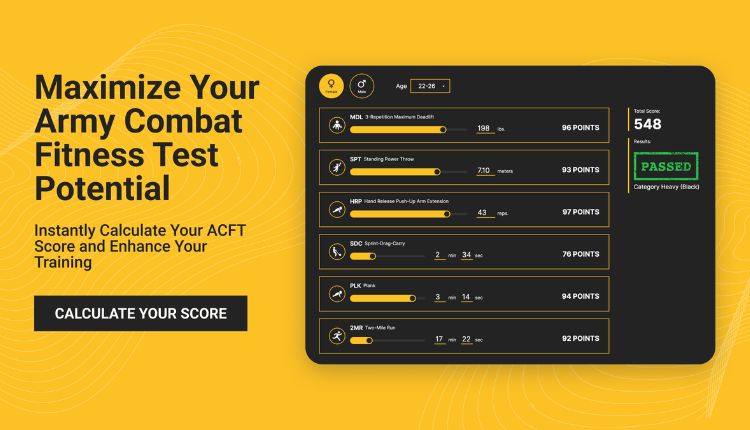
The ACFT is scored using a point system ranging from 0-600 points, with each event worth up to 100 points. Soldiers must meet minimum standards based on age and gender, although the Army encourages higher scores for promotion and job qualifications. Understanding the structure, requirements and purpose of each event is the first step to mastering ACFT.
Strength training for ACFT
Strength is the foundation of Army Combat Fitness Test, especially for MDL, SPT and HRP actions. To create the power you need:
- Focus on compound lifts like deadlifts, squats, and bench presses.
- Incorporate explosive movements like kettlebell swings, medicine ball throws, and plyometric push-ups.
- Train muscular endurance by performing higher repetitions with moderate weight.
In addition, maintaining proper form is essential to prevent injury and ensure maximum points. Soldiers should follow a strategy of progressive overload, gradually increasing the weight while monitoring recovery. Core strengthening is equally important, as it has a direct impact on leg-pull and sprint-drag performance. Exercises like planks, hanging leg raises, and Russian twists can improve core stability and efficiency.
Bullets for strength training:
- Deadlifts for full-body strength
- Medicine ball throws for explosive power
- Variation of push-ups for upper body endurance
- Core stability planks
A consistent weight training routine, ideally 4-5 days a week, ensures readiness for challenging Army Combat Fitness Test events.
Cardio preparation
Cardiovascular endurance is tested in the 2-mile run and the sprint-drag, which requires soldiers to develop both aerobic and anaerobic fitness. An effective cardio workout includes:
- Interval training – alternating between high-intensity sprints and slower recovery yoga sessions.
- Distance runs—building aerobic endurance for 2-5 miles.
- Circuit training—a combination of running and bodyweight exercises for functional endurance.
Nutrition and hydration play a vital role in cardiovascular performance. Soldiers should fuel exercise with complex carbohydrates and lean protein while avoiding excessive sugar and processed foods. Adequate rest, including 7-8 hours of sleep, promotes recovery and improves endurance.
Points for cardio success:
- Include sprints to improve speed
- Run regularly for endurance
- Make circuits to simulate ACFT conditions
- Maintain proper hydration
Cardio training should be progressive, Army Combat Fitness Test increasing distance or intensity each week while regularly testing your performance on simulated 2-mile runs to track improvement.
Technique matters
Correct technique can significantly affect Army Combat Fitness Test scores. Each event has strict standards:
- Deadlift – keep your back straight and your legs fully engaged.
- Standing power throw – turn your hips and proceed for maximum distance.
- Hand-Release Push-Ups – Lift your full arm off the ground between reps.
- Sprint-Drag-Carry – keep your forward lean while sprinting and avoid shortcuts.
- Leg Tuck or Plank – knees must reach elbows for a successful leg tuck; the board must maintain a straight alignment.
Exercise technique is just as important as raw strength. Soldiers should perform mock tests regularly to simulate ACFT conditions and build muscle memory. Video analysis or guidance from a trained instructor can help identify errors and improve efficiency.
Points to improve technique:
- Upload for feedback
- Practice each action individually
- Use mirrors or trainers to get the right shape
- Focus on smooth, controlled movements
Efficiency reduces fatigue and the risk Army Combat Fitness Test of injury, so proper technique is a key component to achieving higher ACFT scores.
Regeneration and Army Combat Fitness Test
Recovery and nutrition are often overlooked but are critical to Army Combat Fitness Test success. Muscles need adequate rest to repair and grow, while the body needs the right nutrients to perform at its peak. Key strategies include:
- Sleep – Aim for 7-9 hours per night for optimal recovery.
- Hydration – maintain water intake before, during, and after training.
- A balanced diet – focus on lean protein, complex carbohydrates, and healthy fats.
- Stretching and mobility – reduces the risk of injury and improves flexibility.
Supplements such as protein powder or creatine can help but should complement, not replace, a healthy diet. Recovery days are just as important as training days because they prevent overtraining and promote consistent performance improvement.
Bullets for Recovery:
- Sleep 7-9 hours a night
- Drink at least 3 liters of water daily
- Include protein in every meal
- Stretch before and after your workout
By prioritising recovery and nutrition, soldiers maintain high energy levels, increase strength gains, and reduce the likelihood of injury.
Mock tests and assessments
Army Combat Fitness Test simulation using mock tests is essential to identify weaknesses and measure progress. Mock tests help soldiers:
- Familiarize yourself with the order and timing of events
- Measure current performance in each event
- Develop stimulation strategies for endurance events
- Reduce test day anxiety by revising
Any simulated test should replicate ACFT conditions as closely as possible. Track scores and compare them to Army standards to track improvement. Adjust training routines based on weak areas; for example, focus on sprint intervals if the SDC event is delayed.
Bullets for simulated testing:
- Run full ACFT simulations every month
- Record times and distances for all events
- Identify the weakest events for targeted training
- Adjust the intensity as you progress
Regular mock testing not only improves performance but also builds confidence and readiness for the official ACFT.
Mental preparation: Army Combat Fitness Test
Physical fitness alone is insufficient for Army Combat Fitness Test success. Mental preparation is equally important. Soldiers must:
- Set specific goals for each event.
- Visualize success and getting it right.
- Manage stress and anxiety with breathing exercises or meditation.
- Maintain discipline in your training routines.
Mental toughness allows soldiers to overcome fatigue during events such as the 2-mile run and sprint-drag-carry, which test both physical and mental endurance. Positive reinforcement and self-motivation are powerful tools for maintaining consistency and resilience.
Points for mental preparedness:
- Set measurable performance goals
- Practise visualisation techniques
- Use meditation to reduce stress
- Reward milestones to stay motivated
The combination of physical and mental training ensures Soldiers achieve peak performance during ACFT.
Preparing for the test day
Test day preparation can affect Army Combat Fitness Test results. Important tips include:
- Warm-up – dynamic stretching and light jogging to reduce the risk of injury.
- Nutrition – Eat a balanced meal 2-3 hours before the test.
- Hydration – stay hydrated but avoid drinking excessively.
- Pacing – start events at a manageable pace and save energy for later.
- Equipment Check – Ensure that footwear, clothing and any equipment is ACFT compliant.
Points for passing the test day:
- Warm-up 15-20 minutes before the event
- Eat a light meal rich in protein
- Hydrate properly
- Maintain concentration and pace
Proper test day preparation can greatly increase performance and ensure that all your training efforts translate into a high ACFT score.
Conclusion
Passing the Army Combat Fitness Test requires a holistic approach: a combination of strength, cardio, technique, recovery, mental preparation, and strategic test day planning.
By following a structured training regimen, taking regular mock tests, and prioritising nutrition and recovery, Soldiers can maximize their scores and readiness. Success in ACFT is not only about physical ability but also about discipline, planning and consistency.
Frequently asked questions
Q1: How often is ACFT performed?
The Army Combat Fitness Test is usually conducted annually, but Soldiers may complete it more frequently for training or promotional purposes.
Q2: Can women perform the same ACFT as men?
Yes, all soldiers perform the same actions, although scoring standards are adjusted for age and gender.
Q3: What is the minimum score to pass?
The minimum score to pass varies by event and age, but 360 points out of 600 is generally considered the default.
Question 4: Are bodyweight exercises sufficient to successfully master ACFT?
Bodyweight exercises help with endurance and core strength, but strength training with weights is essential for optimal performance.
Q5: Can I use a plank instead of tucking my feet in?
Yes, the plank is an alternative to tucking the legs in for soldiers who can’t do it.
Q6: How can I improve my 2-mile run time?
Incorporate interval training, long-distance runs and proper stimulation to improve aerobic and anaerobic capacity.