APFT Calculator
Accurate scoring is essential for setting goals, tracking progress, and ensuring readiness. The APFT calculator has become an essential tool for military personnel to effectively measure performance and plan for improvement.
What is APFT?
The APFT measures a soldier’s physical ability in three key events: push-ups, sit-ups, and a two-mile run. Each event is scored separately, and the total score determines the overall performance. The test is designed to assess endurance, strength, and overall fitness.
- Push-ups: Maximum repetitions in two minutes.
- Sit-ups: Maximum number of repetitions in two minutes.
- Two Mile Run: Completed as fast as possible, measured in minutes and seconds.
APFT is required for promotion, assignment, and overall military readiness. Each event has age- and gender-specific scoring standards that can be confusing to calculate manually. The APFT calculator makes it easy by providing instant results.
Using a calculator ensures accuracy, helps track progress and identifies areas that need improvement. This makes educational programmes more targeted and effective. Whether you’re preparing for your first test or tracking ongoing fitness, the Calculator saves time and ensures accurate scoring.
How the calculator works
The APFT calculator uses standardised formulas established by the military. You enter the number of push-ups, sit-ups, and run time, and the calculator outputs a score for each event and a total score.
- Push-ups and sit-ups: The calculator refers to a table with repetitions corresponding to age and gender scores.
- Two Mile Run: The time entered is converted to a score according to Army guidelines.
The process eliminates errors and simplifies record keeping. Many calculators also allow you to track historical scores, which is valuable for analysing trends and progress. Some advanced calculators provide fitness tips based on weak areas, allowing for a tailored training regimen.
For example, a 25-year-old APFT Calculator man who does 50 push-ups, 55 sit-ups, and a 14-minute two-mile run will instantly know his score and see how close he is to passing or excelling.
Benefits of using an APFT calculator
Using an APFT calculator provides numerous benefits for soldiers, trainers, and fitness enthusiasts.
- Accuracy: Reduces human error in scoring.
- Convenience: Instantly calculates scores from input data.
- Motivation: Helps track progress and set goals.
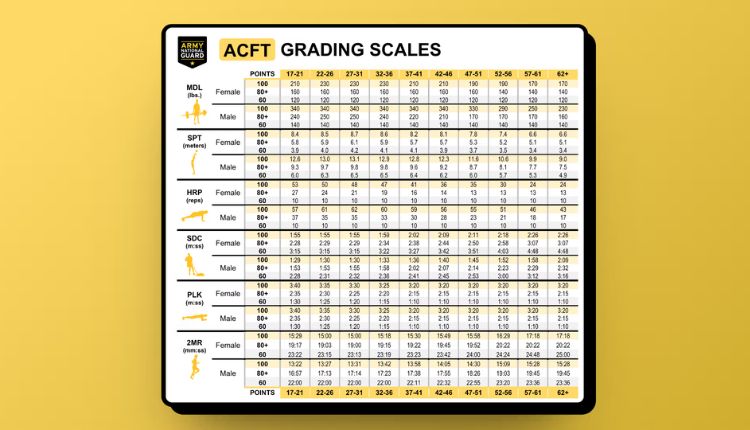
- Efficiency: Saves time compared to manual graph searches.
- Planning: Identifies strengths and weaknesses for targeted training.
Additionally, some online calculators are mobile-friendly, making them easy to use in the field or at the gym. Whether you’re a novice or a seasoned veteran, the calculator will ensure you get an accurate score every time.
The calculator also serves as a motivational tool by showing trends. Soldiers can focus on areas with lower scores to improve overall performance, which can have a positive impact on career advancement.
Push-Up scoring
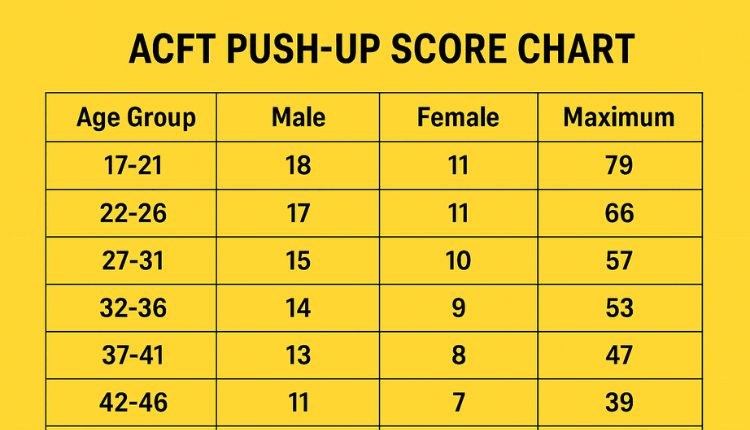
Push-ups are a measure of upper-body strength and endurance. Scoring is based on age and gender, with minimum requirements for passing and maximums for a perfect score.
- Technique: Hands shoulder-width apart, back straight, full range of motion.
- Counting: Only correctly performed repetitions are scored.
- Standards: From 33 reps for older men to 71+ for younger men for maximum points.
Using the APFT calculator makes it easy to see where you stand compared to your peers. You can adjust your training plan to meet the minimum standards or aim for a higher score. Training tips include building upper body strength with variations of push-ups, bench presses, and resistance exercises.
The push-up component also indirectly reflects core stability and endurance. Tracking this metric over time helps Soldiers improve both their physical readiness and overall performance in their day-to-day duties.
Scoring while seated
Sit-ups measure core strength and endurance. Proper form is critical to avoid injury and ensure proper scoring.
- Technique: Feet anchored, hands behind head, elbows touching knees, shoulder blades touching ground.
- Counting: Only correct repetitions are counted.
Age and gender standards: Younger soldiers need a higher number of reps to achieve maximum scores, while older age groups adjust expectations.
The APFT calculator quickly converts your repetitions into numerical scores, eliminating the need to memorise scoring charts. Knowing your score helps you identify weaknesses in abdominal endurance and adjust your workouts accordingly.
Exercises to improve seated performance include push-ups, planks, leg raises, and stability exercises. Combining these with cardio routines ensures that you can perform sit-ups efficiently even when fatigued.
Evaluation of the two-mile run
The two-mile run is the endurance component of the APFT. Scoring is based on completion time, adjusted for age and gender.
- Technique: Maintain a consistent pace, proper breathing, and proper form.
- Training: Interval running, long-distance running, and sprint training improve performance.
- Using the calculator: Enter your run time to see your score instantly.
The APFT calculator can also provide approximate stimulation targets to help achieve the desired score. For example, if you’re aiming for a perfect score, the calculator will show the exact time needed per mile. This allows for structured and measurable training.
The two-mile run also reflects cardiovascular fitness and endurance, both of which are crucial for soldiers on active duty. Tracking improvements over time ensures readiness for both the test and real-world physical demands.
Common mistakes
Even experienced soldiers make mistakes in APFT scoring or training. Being aware of these mistakes improves performance.
- An incorrect push-up or sit-up leads to countless reps.
- Pace errors when running, starting too fast and burning out prematurely.
- Ignoring age-specific scoring tables that affect total points.
- Failure to monitor progress regularly, missing opportunities for improvement.
The APFT calculator helps avoid some of these mistakes by providing instant and accurate scores. It also allows you to plan workouts to target your weaknesses and ensure consistent improvement.
Avoiding these mistakes improves test performance and overall physical fitness. Soldiers are encouraged to try each component under simulated test conditions for best results.
Tips for improvement
Improving your APFT score requires a combination of strength, endurance, and consistency.
- Strength training: Focus on push-ups, pull-ups and core exercises.
- Cardio: Regular running, interval training and endurance exercise.
- Consistency: Weekly practice and regular testing.
- Rest and recovery: Allow muscle recovery to prevent fatigue or injury.
The APFT calculator can track results over time, show trends and help adjust training intensity. Soldiers should set realistic goals based on previous scores and age-specific standards.
Incorporating cross-training activities such as swimming or cycling can also improve overall stamina and prevent monotony in workouts. Combining these with targeted strength exercises creates a well-rounded fitness plan.
Using online calculators
Online calculators are convenient and widely available. Most of them are free and mobile-friendly.
- Steps: Enter the number of push-ups, sit-ups and runs. Click calculate to see the results.
- Features: Some provide charts, history tracking, and training recommendations.
- Accuracy: Always use calculators in accordance with official Army scoring charts.
These tools help soldiers, trainers and recruits track performance in real time. Whether you’re preparing for an upcoming test or tracking long-term progress, online calculators make it easier and more efficient.
Many calculators also allow you to share results with coaches or peers for feedback and accountability. Using digital tools alongside traditional training ensures comprehensive readiness.
Conclusion
The APFT calculator is an essential tool for soldiers to accurately measure physical fitness. By simplifying scoring, tracking progress and identifying weaknesses, it ensures effective training and better test preparation. Incorporating the right strength, endurance, and consistency into your training, combined with a calculator overview, ensures better performance. Soldiers who regularly use the calculator can achieve their fitness goals while maintaining overall readiness.
Frequently asked questions
Q1: Is the APFT calculator official?
Answer 1: Most online calculators follow Army scoring standards, but official scores must be verified by test administrators.
Q2: Can I use the calculator for different age groups?
Answer 2: Yes, enter your age and gender and the calculator will adjust the score accordingly.
Q3: Does the calculator track past scores?
A3: Some online versions offer history tracking and progress graphs.
Q4: Can the calculator predict pass/fail?
A4: Yes, by comparing the total number of points with the minimum graduation requirements.
Q5: Is there a mobile app for the APFT calculator?
A5: There are many apps available for iOS and Android for convenient use in the field or in the gym.