Air Force PT Calculator
Whether you’re an active member, reservist, recruit or someone planning to join, understanding how your fitness performance translates into an official score is critical. The calculator simplifies the scoring system and helps you gauge your readiness before test day.
In this comprehensive guide, we’ll explore how the United States Air Force PT Calculator evaluates physical fitness, how the PT scoring system works, and how you can maximise your results with the Air Force Points Calculator. This article includes detailed subheadings, bullet points, a conclusion, and FAQs to help you fully understand the system.
What is a PT calculator?
The Air Force PT Calculator is an online or digital scoring tool that estimates your official PT test score based on your performance in each event. The United States Air Force uses a point system to evaluate proficiency levels across multiple components. Instead of manually calculating scores using charts and tables, the calculator works instantly.
The PT test usually measures:
- Cardiorespiratory endurance
- Muscular Endurance
- Core strength
- Body composition
The most common components include:
- 1.5-mile run (or alternate cardio options)
- Shyby
- Sit-up or plank
- Waist measurement (in some scoring models)
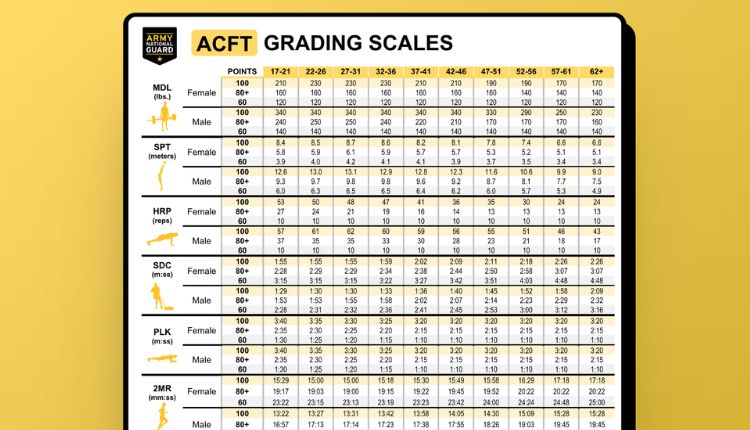
Each component has a maximum point value. Your total score is the sum of all component scores. The Air Force Points Calculator converts raw performance numbers—such as run time or push-ups—into official points based on age and gender categories.
The calculator helps airmen:
- Track progress during training
- Identify weak areas
- Predict official test results
- Avoid surprises on test day
Because norms vary by age group and gender, manual calculations can be confusing. Therefore, using a reliable air power calculator is one of the smartest ways to prepare. It ensures accuracy, saves time and helps you create a realistic training plan based on measurable goals.
How scoring works
The Air Force PT Calculator follows the official scoring system of the United States Air Force. The PT test is evaluated out of a total of 100 points. To pass, you must achieve a minimum composite score and meet the minimums in each individual component.
This is how the score is generally distributed:
- Aerobic component: Highest weight in scoring
- Power Component: Shyby
- Basic component: Sit-ups or plank
- Body Composition: Waist Measurement (if applicable)
The aerobic portion often accounts for the largest proportion of points, making it the most important event in determining your final score. For example, running faster for 1.5 miles can significantly increase your points total.
Rating categories typically include:
- Excellent
- Satisfying
- unsatisfactory
The minimum score to pass is Air Force PT Calculator determined by policy updates, but Airmen must meet minimum performance standards in each required event. Failure of one component can lead to total failure regardless of the total number of points.
The Air Force pt calculator takes into account:
- Age category
- Gender
- Action performance
- Updated scoring tables
This allows an accurate simulation Air Force PT Calculator of the official results. Because the standards are updated regularly, always make sure the calculator reflects the latest testing policies. Understanding the scoring system allows you to train strategically rather than randomly. When you know exactly how points are awarded, you can focus your efforts on the areas that lead to the greatest score improvement.
Overview of test components
The Air Force PT Calculator evaluates performance within standardised fitness events. Each event measures a different aspect of physical fitness. The United States Air Force designed the test to ensure Airmen maintain a level of mission readiness.
Here are the primary components:
- Aerobic fitness
- Muscular Endurance
- Core stability
- Body composition
The most common aerobic test is the 1.5-mile run. However, depending on policy, alternative cardio options may be allowed. This event tests cardiovascular endurance and stamina, making it the most weighted part of the score.
Muscular endurance is usually measured using push-ups. This assesses upper body strength and endurance. Push-ups must be completed within a certain time frame and only correctly performed repetitions count.
Core strength is assessed using sit-ups or plank holds. Sit-ups measure dynamic core endurance, while planks assess static core strength. The scoring table awards points based on reps or hold time.
For some scoring models, the waist measurement plays a role in the overall score. This component assesses body composition and overall fitness.
The Air Force Points Calculator integrates all of these events into a single composite score. Enter your running time, number of repetitions, and other measurements to get an instant estimate. Understanding each component will allow you to tailor your workouts for balanced development rather than focusing on just one area.
Age and gender factors
One of the key features of the Air Force pt calculator is its ability to adjust scores based on age and gender categories. The United States Air Force recognises physiological differences and ensures fairness by adjusting standards accordingly.
Age groups typically include:
- Under 25
- 25–29
- 30–34
- 35–39
- 40+
Performance standards adjust slightly with age. For example, acceptable run times may be longer for older age groups while still obtaining a competitive score.
Gender differences also affect the scoreboards. Male and female flyers have separate performance standards for push-ups, sit-ups, and run times. Once you enter your demographics, the Air Force Points Calculator automatically selects the correct scoring table.
This customisation ensures:
- Fair assessment
- Realistic performance expectations
- Accurate score projections
Without a calculator, manually cross-referencing age and gender tables can be time-consuming. It’s easy to make mistakes if you link to the wrong category.
Because promotion, career advancement, and retention can be affected by PT performance, it is essential to use an accurate Air Force PT calculator. It will ensure that your preparation is aligned with your specific demographic rather than a generic standard.
Understanding how age and gender influence assessments helps airmen set achievable goals. Instead of comparing yourself to others outside of your category, you can focus on maximising your performance in your specific category.
Correct use of the calculator
Correct input is essential to get accurate results from the Air Force PT Calculator. Because the tool reflects official United States Air Force scoring standards, even small data entry errors can significantly change your predicted score.
Follow these steps:
- Select the correct age group
- Select the correct gender
- Enter the exact run time (minutes and seconds)
- Enter the correct number of repetitions
- Please provide waist measurement if required
Accuracy matters when entering runtime. A difference of a few seconds can change your score. Always use a stopwatch or official timer when exercising.
For push-ups and sit-ups, count only those reps that meet the official form standards. Practising with a partner or recording yourself can help ensure accuracy.
Many calculators update automatically based on policy changes. However, make sure you are using the version that matches the latest PT testing guidelines.
Benefits of using a calculator correctly include:
- Clear progress tracking
- Goal setting before official testing
- Reduced test anxiety
- Adjustments to strategic training
Using the Air Strength Calculator weekly during your training cycle allows you to track improvement. Instead of guessing if you’re improving, you can see measurable changes reflected in your projected score.
Consistency and honesty in data entry are key. The calculator is only as accurate as the information you provide. Treat the exercises as real tests to ensure your predicted results reflect real readiness.
Benefits for Airmen
The Air Force PT Calculator provides more than just numbers. It functions as a strategic planning tool for career success within the United States Air Force.
Here are the main benefits:
- Performance forecasting
- Weakness identification
- Increasing motivation
- Career advancement support
- Improved accountability
Because PT scores can affect performance evaluations, promotions, and special assignments, maintaining high standards of fitness is essential. The calculator allows you to predict results before official testing, which reduces uncertainty.
For example, if your aerobic score is low but your strength score is high, you may prioritise cardio. This targeted improvement strategy maximises efficiency.
The tool also supports long-term planning. Airmen preparing for deployments or special assignments can maintain readiness throughout the year rather than scrambling before test day.
Another advantage is mental self-confidence. Knowing your predicted score increases confidence and reduces test-taking stress. Instead of worrying about handing over, you can focus on achieving perfection.
Supervisors and trainers can also use the air strength calculator to guide group fitness programmes. By analysing patterns in scores, they can create workouts that address common weaknesses.
Finally, the calculator promotes accountability. When Airmen consistently track their scores, they are more likely to maintain discipline in their fitness routines.
Training for higher scores
Improving your score with the Air Force PT calculator requires strategic training. Since aerobic fitness carries the most weight, prioritising endurance training often yields the greatest gains.
Effective strategies include:
- Interval running
- Long-distance steady runs
- Endurance push-up sets
- Core strengthening exercises
- Mobility and flexibility training
Interval training improves speed and cardiovascular efficiency. Short bursts of high intensity followed by recovery periods mimic race conditions and increase performance.
Strength training should focus on muscular endurance rather than maximum weight lifting. Performing push-ups in timed sets helps build endurance within testing limits.
Core exercises such as planks, sit-ups, and rotational exercises improve stability and repetition capacity. Consistency is key; training three to five times a week brings noticeable improvement.
Recovery also plays a vital role. Sufficient sleep, hydration and nutrition support muscle regeneration and endurance growth.
Using the air power calculator weekly allows you to measure improvement. If your score is dropping, adjust your routine. Increasing intensity, improving running form or perfecting technique can lead to measurable gains.
Targeted training is more effective than random training. By aligning your workout plan with the calculator’s point breakdown, you can strategically target the areas that offer the maximum point increase.
Avoid common mistakes
Many Airmen underperform because they don’t understand the scoring or use the Air Force pt calculator incorrectly. Avoiding common mistakes ensures accurate preparation to United States Air Force standards.
Common mistakes include:
- Ignoring minimum component requirements
- Entering an incorrect age category
- Estimating instead of timing the run
- Counting incorrect push-ups
- Training of only one component
One of the biggest mistakes is Air Force PT Calculator focusing only on the overall score and neglecting the minimum requirements. Even if your overall score seems high, failing one component can result in an overall failure.
Another mistake is relying on unofficial or outdated calculators. Always verify the scoring version.
Some aviators estimate their run time rather than measure it accurately. Even small differences affect scoring.
Training imbalance is also common. Prioritizing push-ups and ignoring cardio can limit your overall score potential.
Consistency is key. Sporadic training close to test day rarely yields optimal results. Use the air power calculator regularly and adjust your program accordingly.
Avoiding these mistakes helps Air Force PT Calculator ensure that your training score matches your official result. Proper preparation minimizes surprises and increases confidence in the assessment.
Conclusion
The Air Force PT Calculator is an indispensable tool for anyone preparing for the United States Air Force PT test. By converting raw performance into official points, it removes confusion and provides clarity. It allows Airmen to track progress, set realistic goals and train strategically.
Understanding scoring components, age and gender factors, and common mistakes ensures smarter preparation. Regular use of the calculator builds confidence and promotes long-term fitness success.
If you want to maximise your performance and maintain mission readiness, incorporating the Air Force pt calculator into your weekly training routine is one of the most effective steps you can take.
Frequently asked questions
What is the passing score for the Air Force PT test?
Passing results depend on current policy, but Airmen must meet the minimum requirements in each component and achieve a satisfactory composite score.
Does the calculator have alternative cardio options?
Some versions contain alternatives depending on updated policies.
How often should I use the PT calculator?
Using it every week during training helps to track improvement and adjust strategy.
Can the failure of one component fail the entire test?
Yes. Even with a high overall score, failure to meet the minimum requirement in one component may result in overall failure.
Is the PT calculator officially released?
Some calculators are official, while others are third-party tools based on published scoring charts. Always verify accuracy before relying on results.